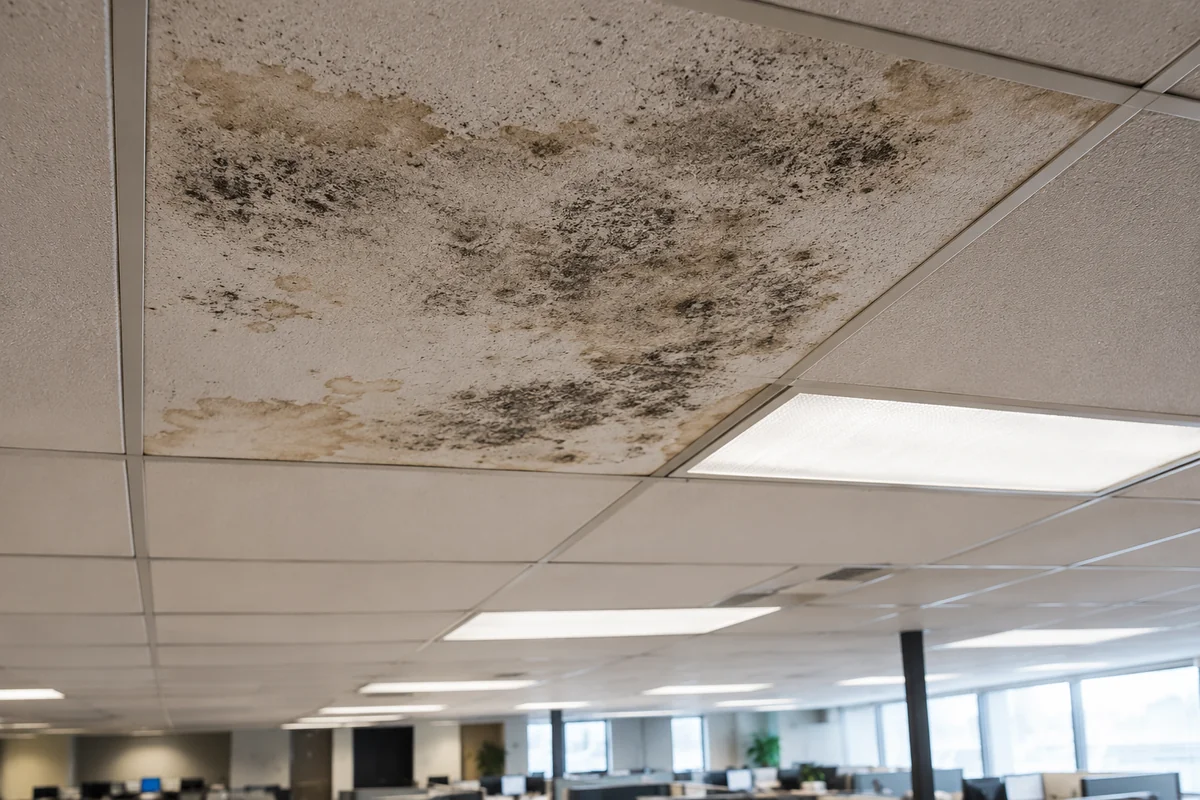
Commercial
Business Liability for Mold
A general overview of how duty to occupants and employees, premises liability, and insurance shape a building owner's exposure to mold claims.
Business liability for mold is a concern the moment a moisture problem touches a space where employees work or the public visits. Building owners and operators generally owe a duty to keep their premises reasonably safe, and mold sits inside that duty alongside other maintenance issues. This guide gives a general overview of how that duty, workplace safety expectations, and insurance interact, so you can act early and document well. It is general information only and not legal advice, and you should consult qualified counsel about your specific situation.
General information, not legal advice
Liability turns on the facts of each case and on the laws of your state. Nothing here is legal advice. Confirm current requirements and your obligations with an attorney licensed in your jurisdiction.
The general duty to occupants and employees
Building owners and operators are generally expected to maintain the property in a reasonably safe condition for the people who use it. When a known moisture or mold problem goes unaddressed and someone is harmed, that failure to act can become the basis of a claim. The specifics vary widely by state and by the relationship between the parties, but the common thread is reasonableness: did the operator respond to what they knew or reasonably should have known? Prompt, documented action is generally viewed more favorably than delay.
The OSHA general duty clause, described generally
OSHA does not currently have a specific standard setting numerical limits for mold in the workplace. Employers are still generally subject to the OSHA general duty clause, which broadly requires providing a workplace free from recognized hazards likely to cause serious harm. In practice this means an employer who becomes aware of a significant mold problem is generally expected to take reasonable steps to address it. Because there is no fixed mold threshold, how this applies depends on the facts. Confirm current OSHA guidance and any state workplace rules, and consult counsel rather than treating this description as a compliance checklist.

Premises liability at a high level
Premises liability is the broad legal framework for injuries connected to the condition of a property. For mold, a claim generally asks whether the operator knew or should have known of the condition, whether they responded reasonably, and whether the condition caused the harm alleged. Different classes of visitors, such as employees, tenants, contractors, and members of the public, may be treated differently under state law. This is a high-level sketch, not a rule you can apply directly, which is another reason to involve an attorney early.
How documentation and prompt action reduce exposure
The single most useful thing a building operator can do is create a clear record showing that complaints were taken seriously and addressed on a reasonable timeline. That record supports both your defense and your insurance position.
- Log every mold or moisture complaint with the date, location, and who reported it
- Record the steps you took in response and when you took them
- Keep assessment reports, scopes of work, and clearance results from independent professionals
- Retain invoices and correspondence showing the issue was investigated and addressed
- Set a written protocol so complaints follow the same documented path every time
A defined intake process also helps you respond consistently. Our guide on tenant mold complaint response walks through a repeatable sequence from complaint to resolution that pairs well with the records above.
The role of insurance
Insurance is a central part of managing mold exposure, but coverage for mold is often limited, capped, or excluded under standard commercial property and general liability policies. Some carriers offer specific mold or pollution endorsements. Because the terms vary so much, review your policies with your broker before a loss occurs, and understand your limits, exclusions, and notice requirements. Our overview of commercial mold insurance explains the common coverage gaps in more detail.
Practical steps to reduce liability
None of the following is a substitute for legal advice, but each generally supports a reasonable-response posture.
- 1 Maintain the building envelope and plumbing so leaks are found and fixed early
- 2 Respond to every moisture complaint quickly and record what you did
- 3 Use an independent assessor to confirm the extent before and after any cleanup
- 4 Engage a licensed remediation contractor for work beyond routine cleaning
- 5 Review coverage with your broker and consult counsel on your obligations
When to bring in professionals
When a problem is more than a small, easily cleaned area, a certified industrial hygienist can assess the extent and a licensed remediation contractor can perform the work. Independent assessment creates the objective record that supports both your liability and insurance positions. To connect with qualified specialists, you can find a licensed local pro or review who to call about mold to understand the roles involved.
Frequently asked questions
Is a business liable for mold that affects employees?+
It can be, depending on the facts and state law. Employers are generally expected to respond reasonably to known workplace hazards under the OSHA general duty clause, and unaddressed mold that causes harm can lead to claims. This is general information, so consult counsel about your specific situation.
Does OSHA have a mold rule?+
OSHA does not currently have a specific standard with numerical limits for workplace mold. Employers remain generally subject to the general duty clause to address recognized hazards. Confirm current OSHA guidance and any state rules, because requirements can change.
What about claims from tenants?+
Tenants may bring claims based on lease terms and state landlord-tenant and premises liability law. Prompt, documented response and clear communication generally help. A defined complaint process and independent assessment records support your position. Review lease obligations with counsel.
How do we reduce liability for mold?+
Maintain the property to prevent leaks, respond quickly to complaints, document every step, use independent assessment before and after cleanup, engage licensed contractors, and review insurance coverage. These steps generally support a reasonable-response posture, but confirm your obligations with an attorney.
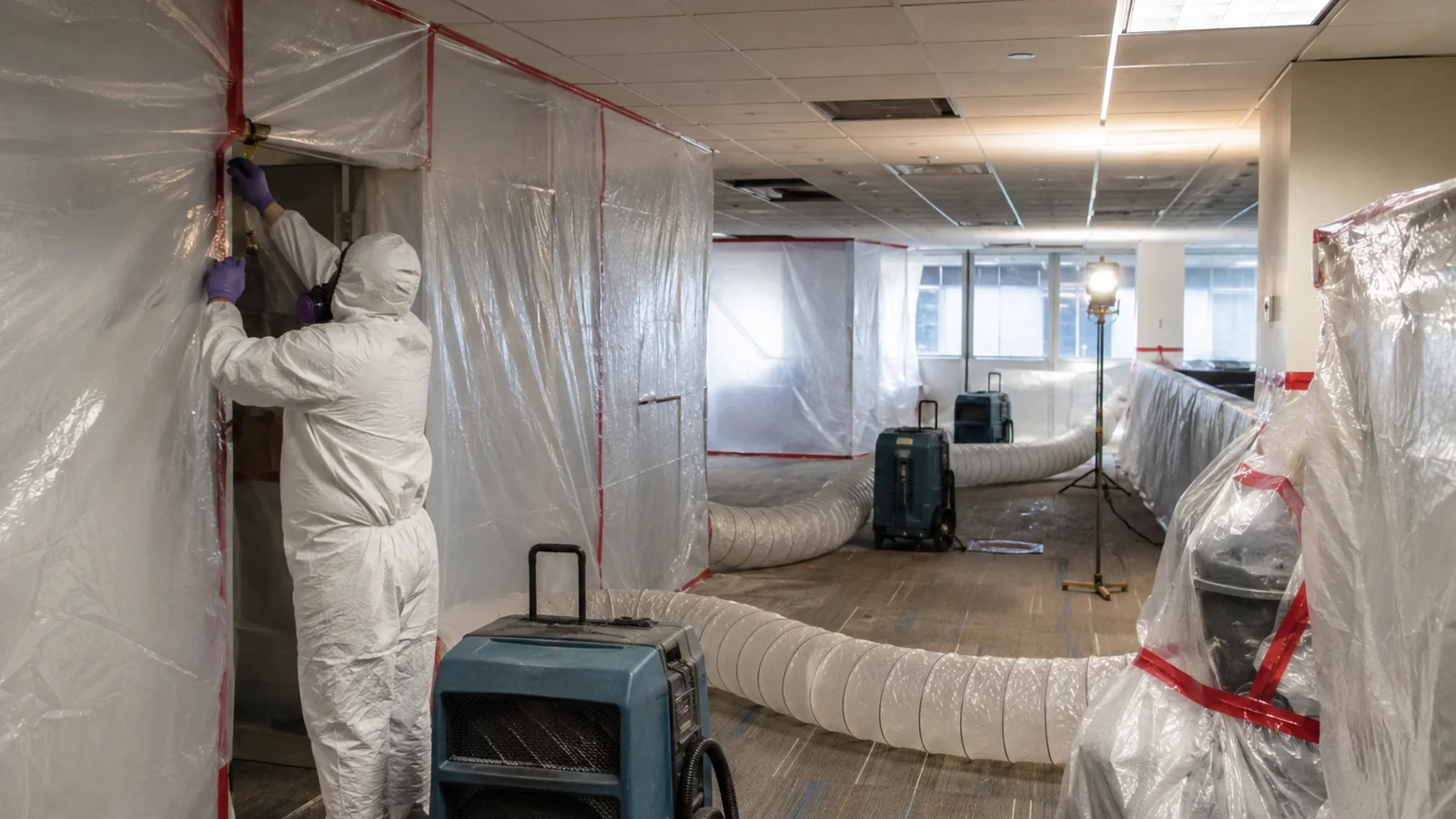
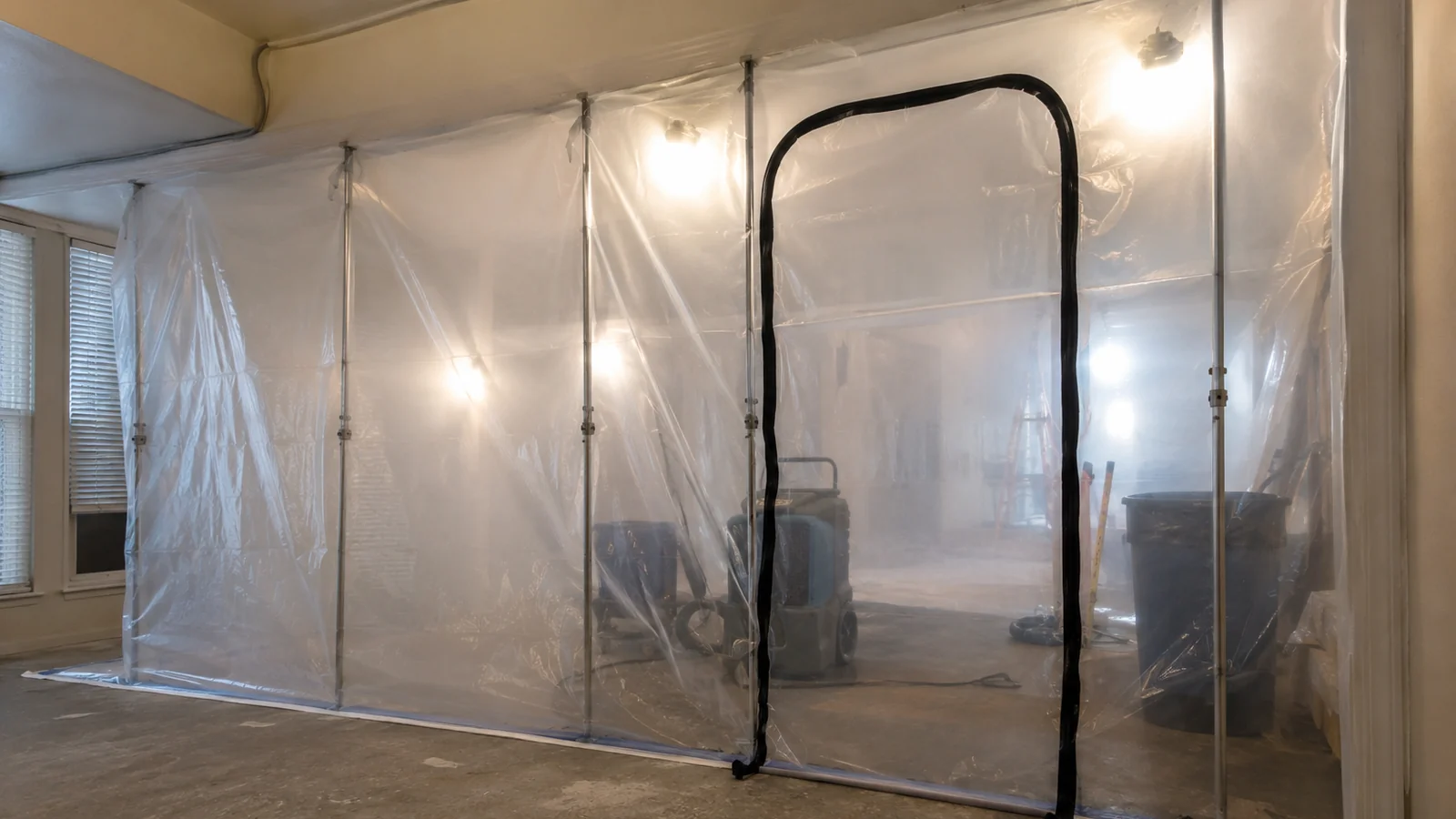
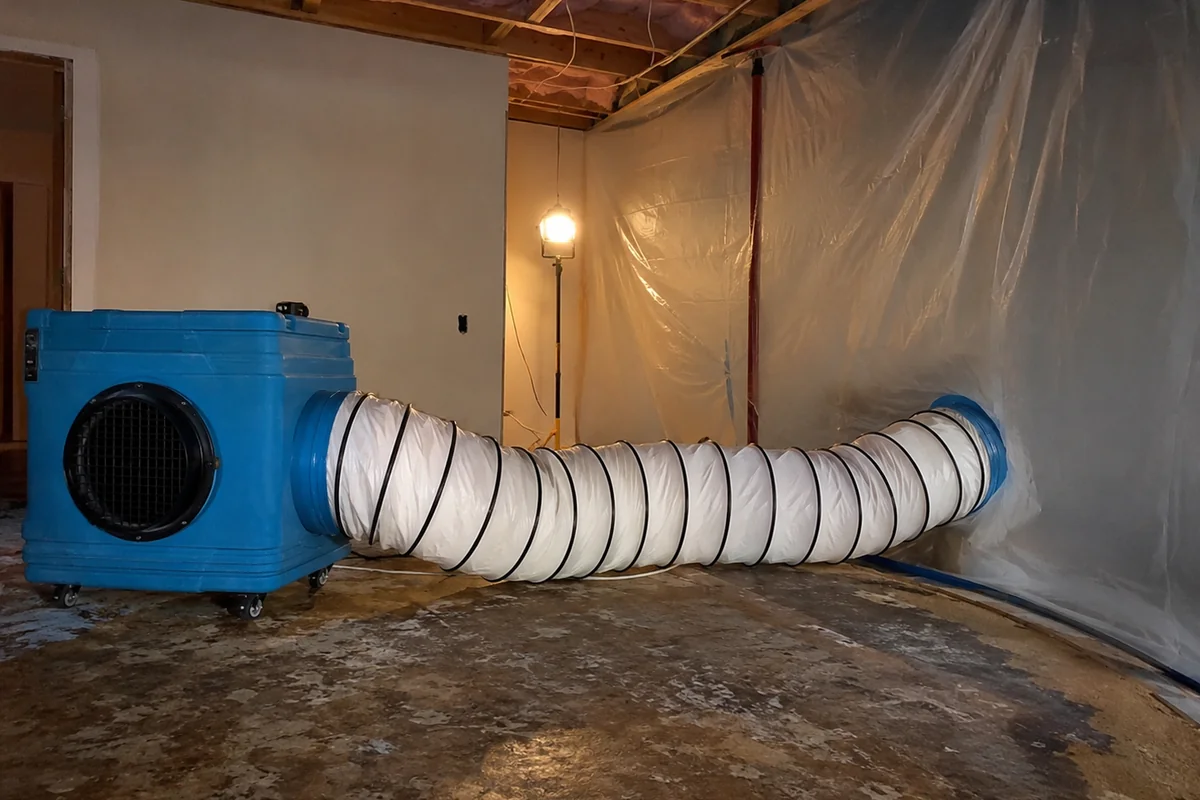
Commercial mold, in the field


Mold in a building you manage?
Follow a documented response that protects you from the first complaint through clearance testing.
Mold exposure is manageable when you combine prevention, a documented response process, appropriate insurance, and qualified professional help, always guided by advice from your own counsel. Treat this as a starting framework rather than a final answer. To limit business liability for mold, act early, keep clear records, and engage the licensed pros in our network when a problem exceeds routine cleaning.
A tenant reported mold?
Follow a documented response that protects you, step by step.