Commercial
How to Respond to a Tenant Mold Complaint
A practical, step by step process for property managers handling tenant mold reports, built around prompt acknowledgment, documentation, and vendor coordination.
Knowing how to respond to a tenant mold complaint protects both your resident and the owner you represent, and it starts the moment the report lands in your inbox. A calm, documented, and prompt process reduces friction, limits potential exposure, and keeps a small moisture issue from becoming a bigger problem. This guide walks through a repeatable workflow you can apply across your portfolio.
General guidance, not legal advice
This article is general information for property managers, not legal advice. Landlord and tenant obligations vary widely by state and locality. Confirm your specific duties with your attorney or counsel and with your local housing and health authorities before acting on any complaint.
Acknowledge the complaint promptly and in writing
When a tenant reports mold, respond promptly and put your acknowledgment in writing, even if you also speak by phone. A short email or portal message confirming you received the complaint and are looking into it sets a professional tone and starts your paper trail. Note the date and time you received the report, who reported it, the unit, and what the tenant described. If your tenant is unsure of their footing, it helps to understand the renter mold rights (tenant side) so your communication stays fair and accurate.
Inspect and document what you find
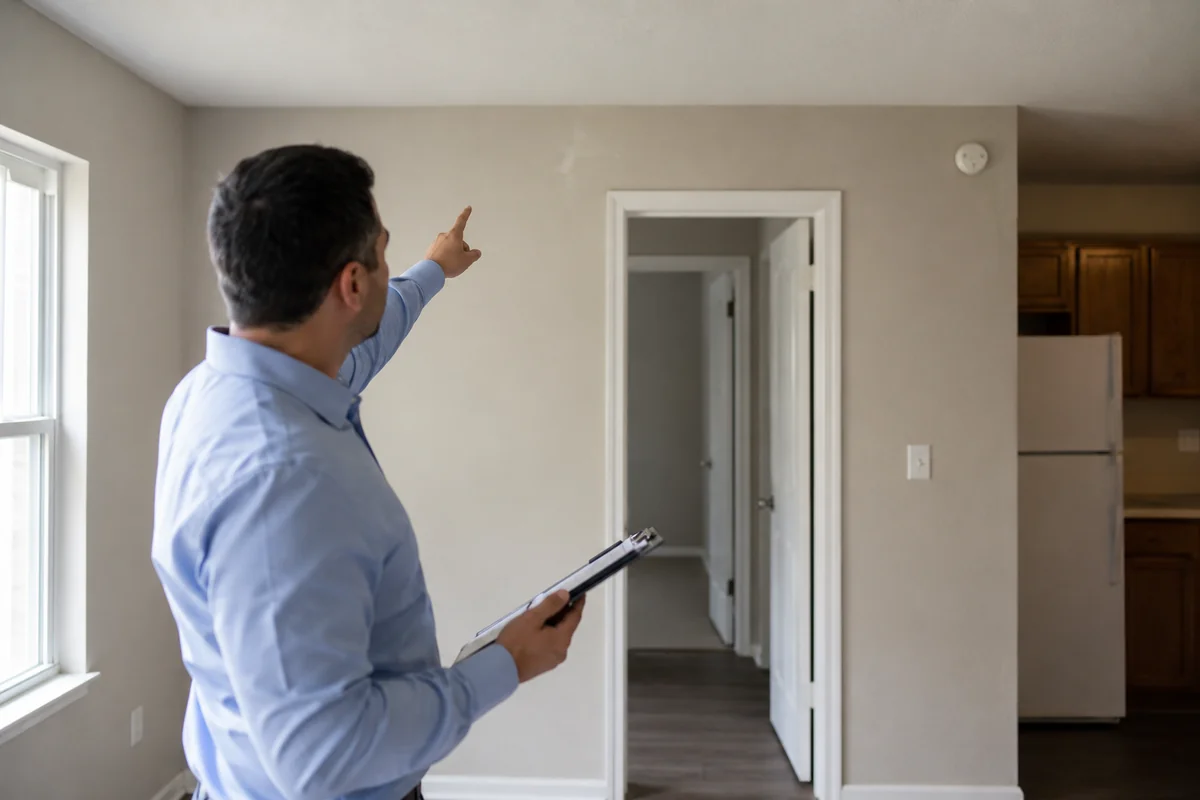
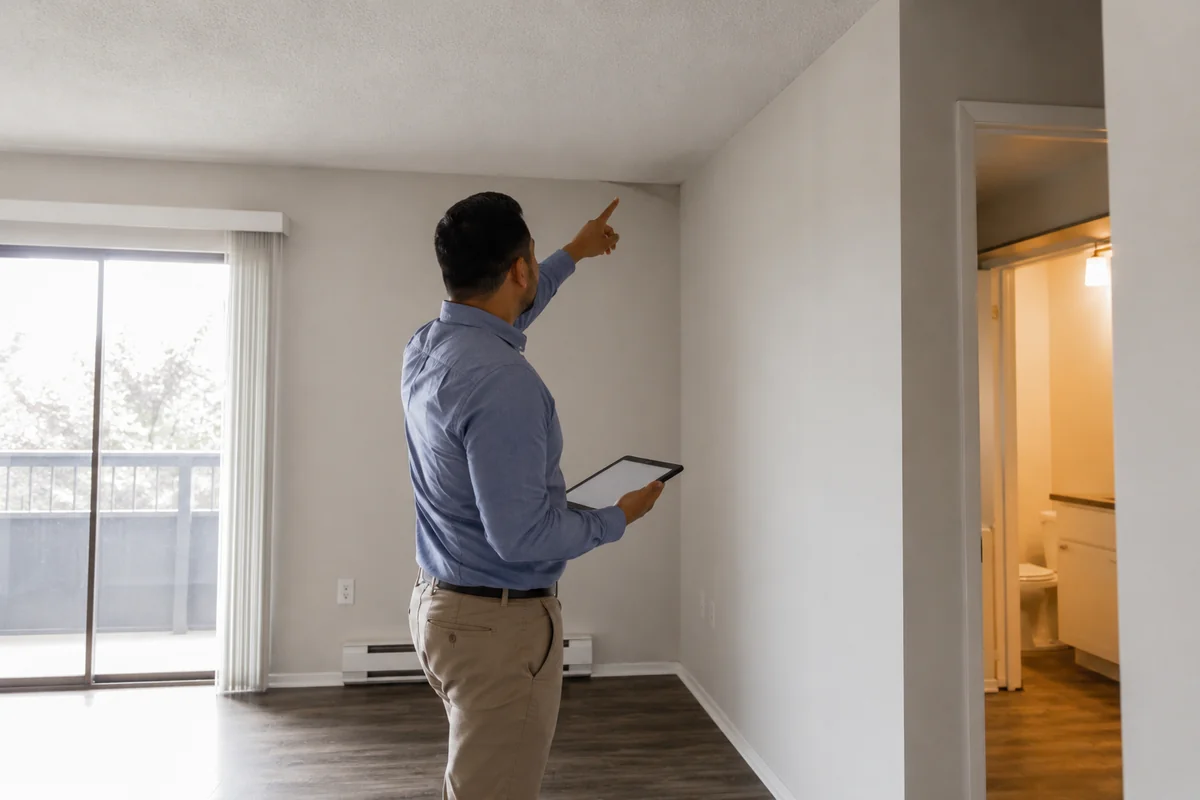
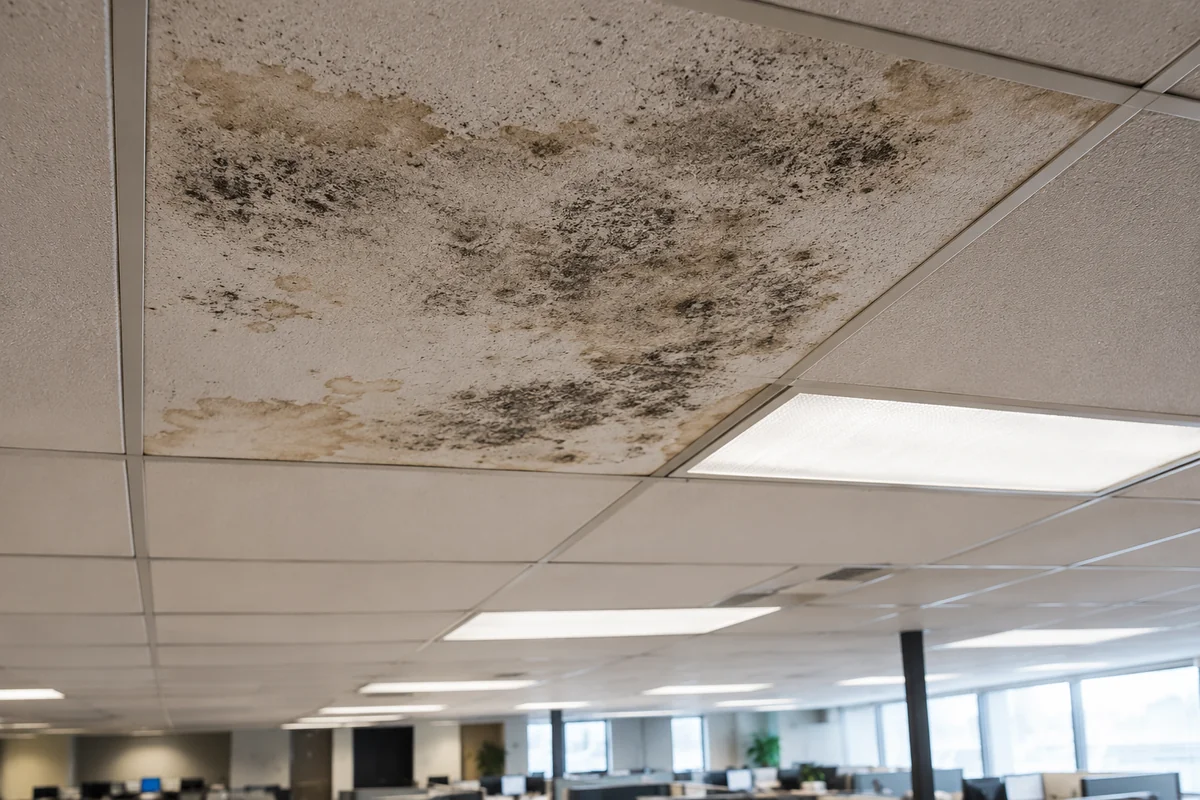
Schedule a visit to inspect the reported area within a reasonable time, giving proper notice of entry as required in your jurisdiction. During the inspection, look for visible growth, water staining, and the moisture source, because mold generally follows water. Take dated photos, measure affected areas, and write notes describing what you observed. Good documentation is the backbone of a defensible file, and our guide on how to document a mold issue in a rental covers what to capture.
Follow a consistent response process
- 1 Log the complaint with date, time, unit, reporter, and a description in the tenant's own words.
- 2 Send a written acknowledgment confirming receipt and that you are arranging an inspection.
- 3 Give proper notice of entry, then inspect, photograph, and document the affected area and any moisture source.
- 4 Assess severity and scope, and decide whether the issue is minor cleanup or warrants a licensed remediation contractor.
- 5 Share a written inspection and repair plan with the tenant, including the steps and a reasonable time frame.
- 6 Coordinate the vendor, complete the work, and obtain any clearance or completion records.
- 7 Follow up with the tenant to confirm the concern is resolved, then close out and file the records.
Communicate an inspection and repair plan
After you understand the scope, tell the tenant what you found and what you plan to do, in writing. Describe the steps and give a reasonable time frame rather than a specific hour. Avoid promising an exact arrival window, and instead commit to a fast, orderly process. Clear expectations reduce complaints and disputes. If the situation touches on who is responsible for the moisture source, review landlord vs tenant responsibility so your plan is grounded and fair.
Bring in a licensed pro when warranted
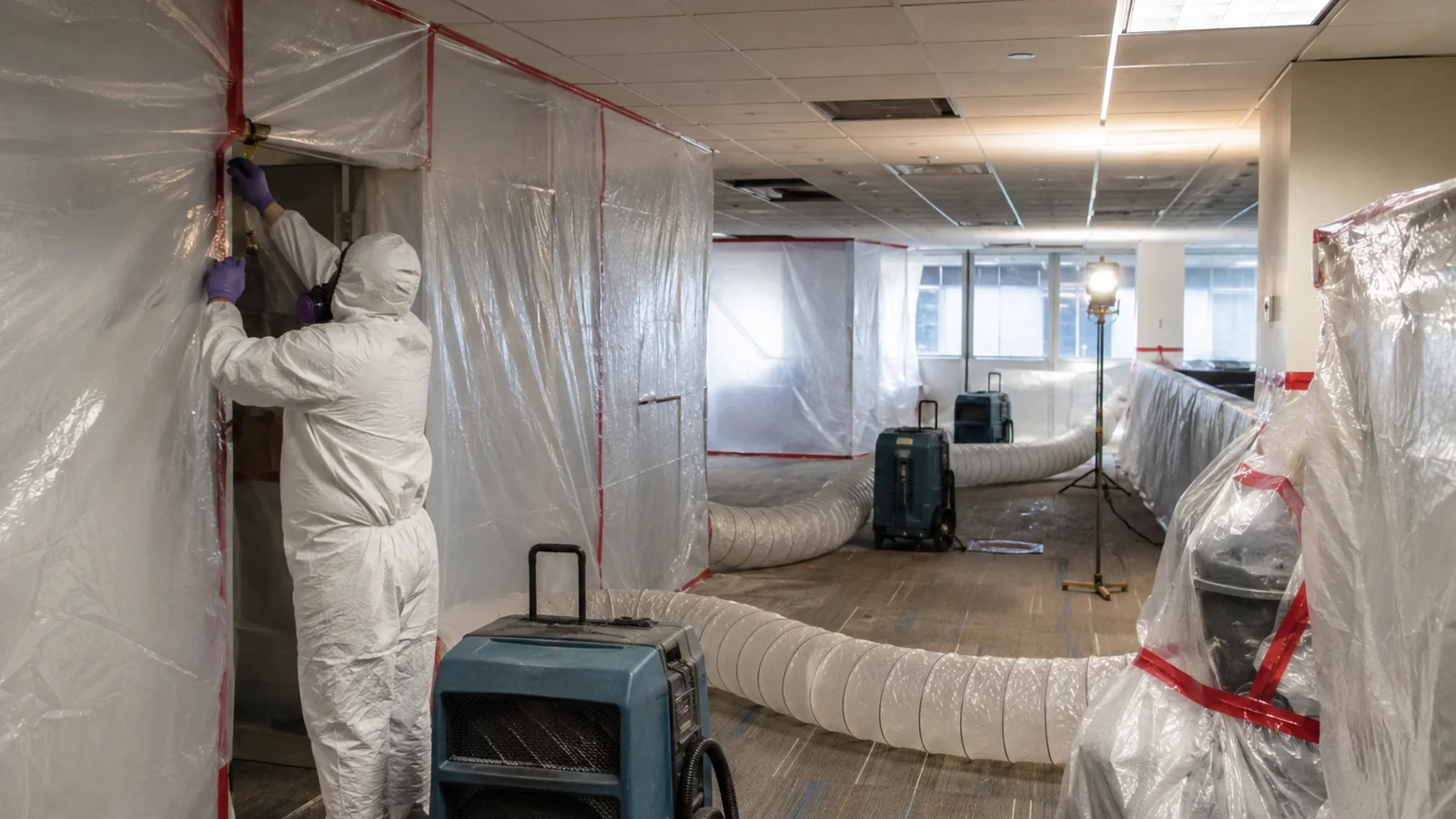
Small surface growth on a hard, nonporous surface can often be cleaned as part of routine maintenance. Larger affected areas, recurring growth, or growth tied to a hidden water source generally call for a professional assessment. In those cases, engage a licensed remediation contractor to scope and perform the work. You can find a licensed local pro through our network, and if the scope is significant, our commercial mold remediation overview and commercial mold cost estimator can help you plan and set owner expectations.
Follow up and close out with records
After the work is done, follow up with the tenant to confirm the issue is resolved and note their response. Collect the vendor's scope of work, any clearance results, and invoices, then file everything with your original complaint log and photos. A complete, dated record shows you acted reasonably and gives the owner and your counsel a clear history if questions arise later. For a quick starting point on any new report, use our tenant mold complaint response tool.
Frequently asked questions
What is the first step when a tenant reports mold?+
Acknowledge the complaint in writing and log it. Confirm to the tenant that you received the report and are arranging an inspection, and record the date, unit, reporter, and description. This starts your documentation and sets a professional tone before you inspect.
How fast must I respond to a mold complaint?+
Respond promptly. Many states expect a landlord or manager to address habitability concerns within a reasonable time, and some set specific windows for certain repairs. Confirm your local requirements with counsel, but a fast acknowledgment and a prompt inspection are good practice everywhere.
Who pays for mold remediation in a rental?+
It generally depends on the cause. When mold results from a building issue such as a leak or poor ventilation, the owner typically bears the cost. When it results from tenant behavior, responsibility may shift. Review the cause carefully and confirm your obligations with counsel.
Why keep a paper trail on a mold complaint?+
A dated, written record of the complaint, your inspection, communications, and the completed work shows you responded reasonably. It helps resolve disputes, supports insurance claims, and gives your attorney a clear history if a matter is ever contested.
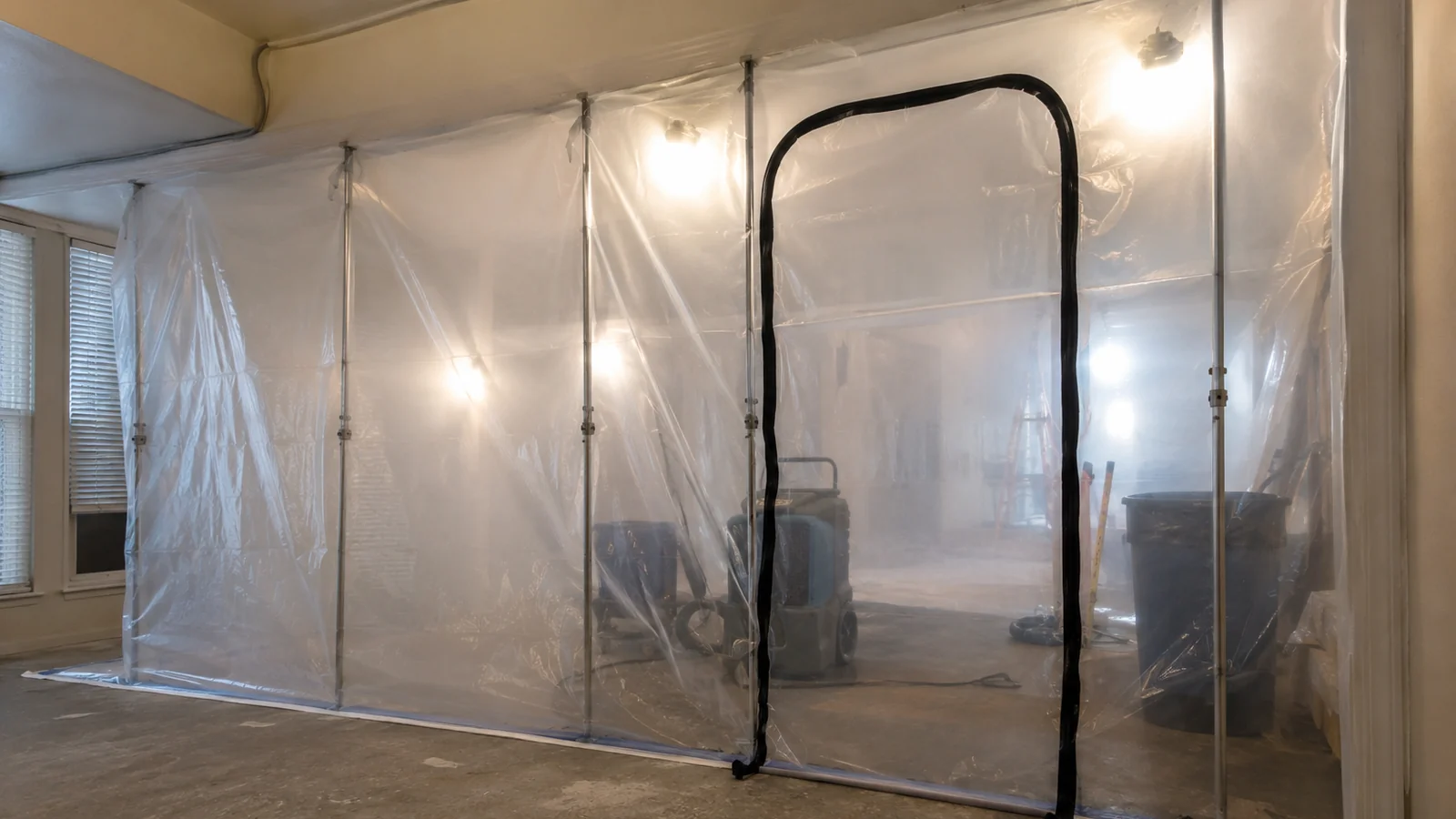
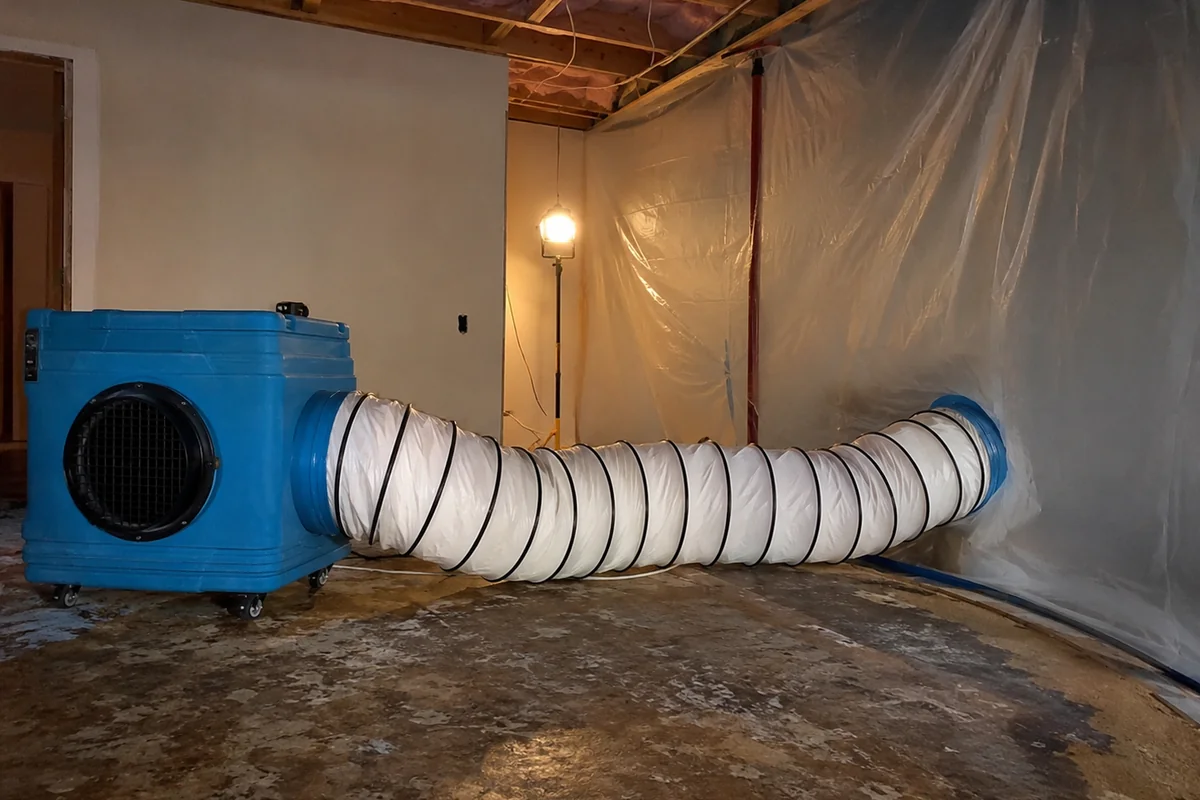
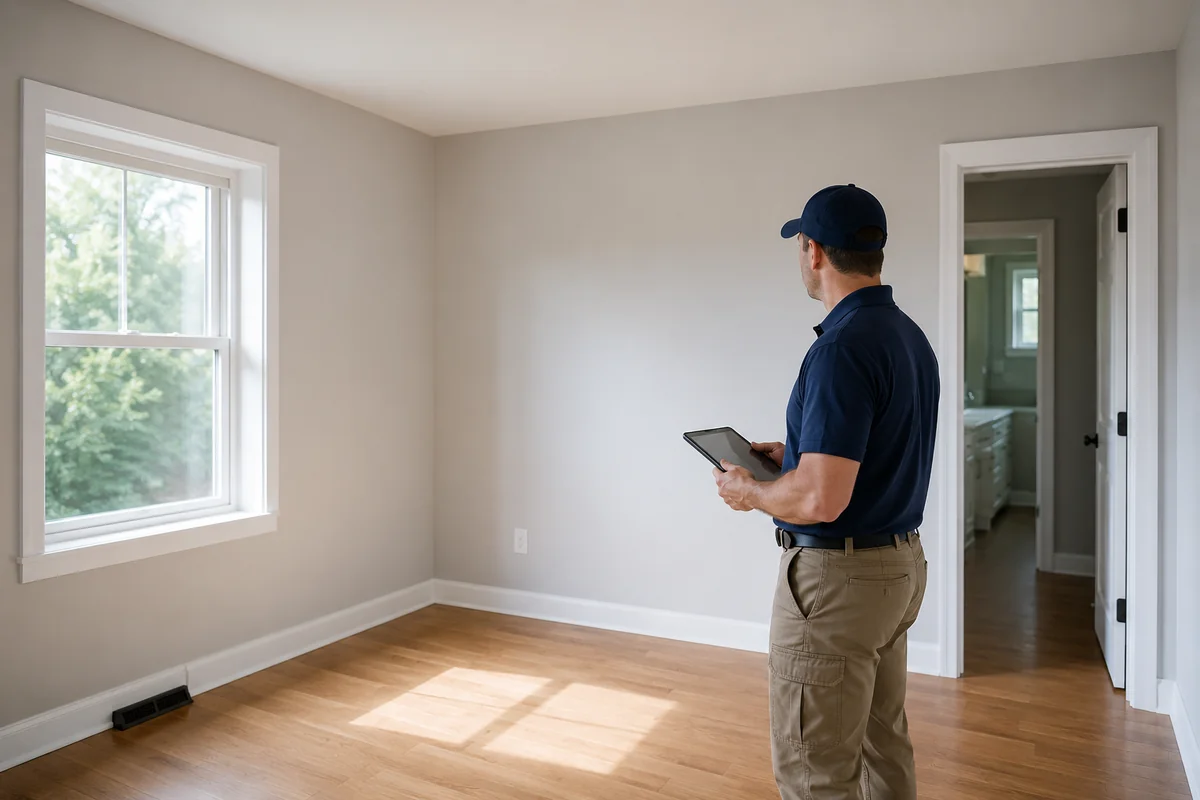
Commercial mold, in the field

Mold in a building you manage?
Follow a documented response that protects you from the first complaint through clearance testing.
Handled with prompt acknowledgment, honest communication, and thorough records, most rental mold reports resolve without conflict, and the licensed pros in our network are ready when a professional is needed to respond to a tenant mold complaint.
A tenant reported mold?
Follow a documented response that protects you, step by step.