Residential
How to Document Mold in a Rental
A step-by-step checklist for building a clear, dated record of a mold problem in your rental, so your account holds together over time.
Learning how to document mold in a rental early pays off more than almost anything else you can do as a tenant. Memory fades and messages get buried, but a dated photo log, saved communications, and a clean timeline give you a record you can rely on if you ever need to explain the problem to your landlord, a housing office, or an advocate. This guide is a practical checklist for building that record from the first day you notice something.
General guidance, not legal advice
This page is general information about keeping good records. It is not legal advice, and it does not tell you what your evidence proves in your state. For questions about your specific situation, contact a tenant-rights organization, legal aid, or your local housing or health department.
Build a dated photo log
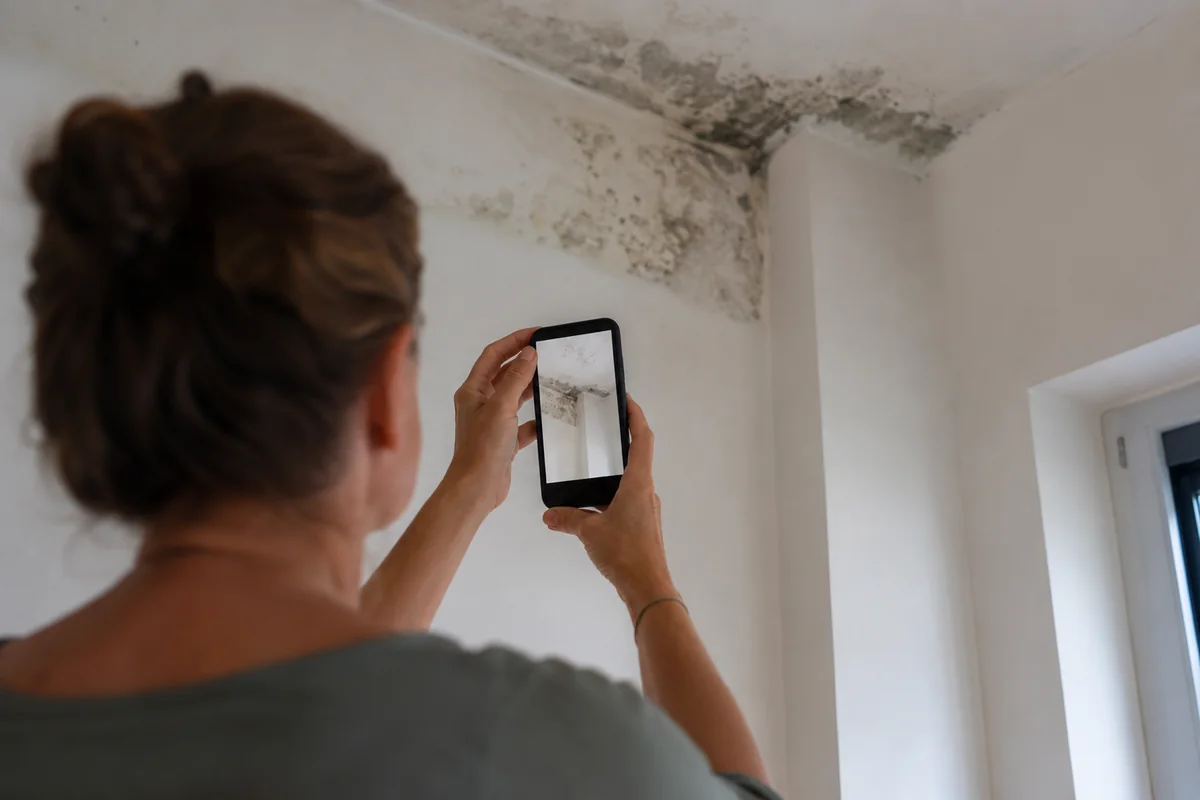
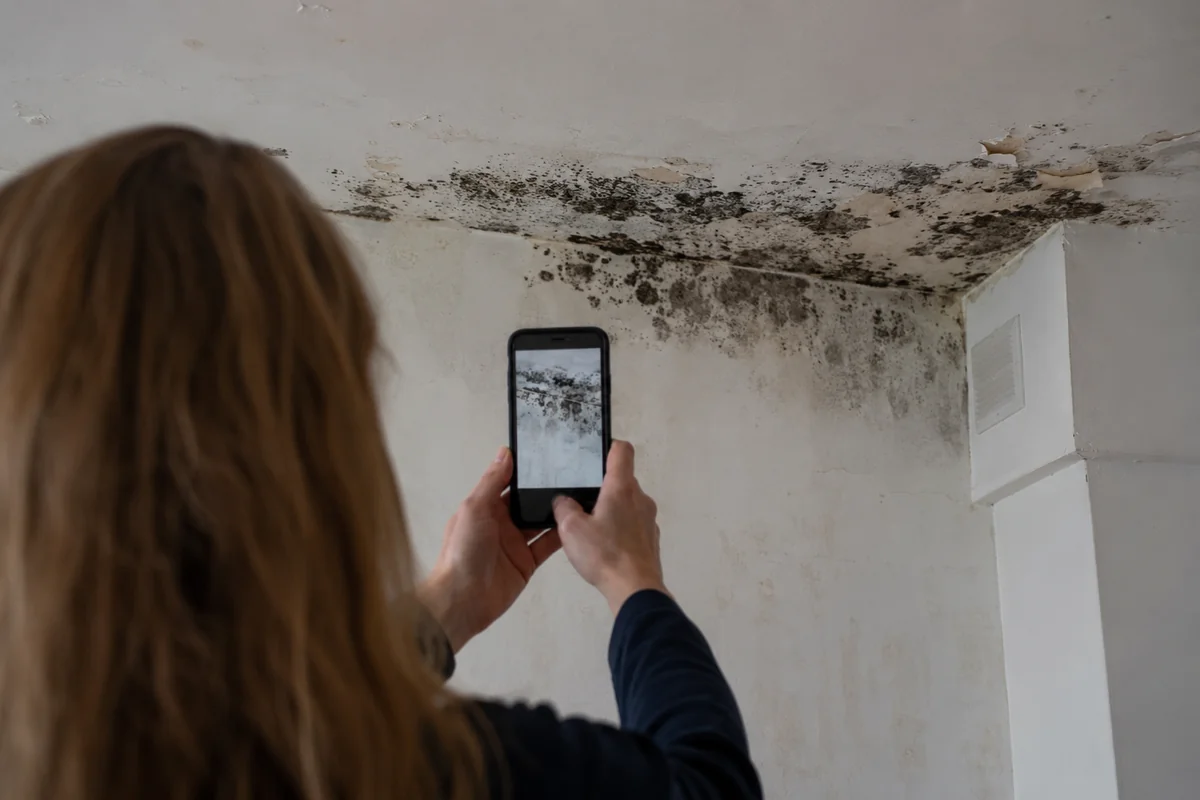
Photos are the backbone of your record. Take clear shots of the affected area from several angles, include something for scale when it helps, and capture the surrounding wall, ceiling, or floor so the location is obvious. Add new photos whenever the problem changes. Keep the date attached, either through the file's own timestamp or a short note you save alongside each image. If you are not sure what you are photographing is mold, our is this mold? guide can help you describe it accurately.
Save every written communication
Keep copies of every message about the problem, in both directions. That means your notices to the landlord, any replies, texts, portal messages, and emails. If a conversation happens by phone or in person, follow up with a short written summary so there is a record of what was said. Our guide on how to report mold to your landlord covers how to send notices that leave a clear trail in the first place.
Note the moisture source
Mold grows where moisture is, so your record should describe where the water is coming from if you can tell. Note leaks, condensation on windows, a roof or plumbing issue, or a past flood. Photograph the source, not just the mold. Understanding the moisture problem also helps you decide whether the fix a landlord proposes actually addresses the cause, which our do I need a pro? guide can help you weigh.
Keep a symptom or health log, and see a doctor for symptoms
If anyone in the home is experiencing symptoms, a simple dated log of what happened and when can be a useful part of your file. Keep it factual, and do not try to draw medical conclusions yourself. For any health concerns, see a doctor, who can advise you personally. General health information from sources like the EPA and CDC can help you understand the topic, but a clinician is the right person to assess symptoms.
Log every inspection request and response
Each time you ask for an inspection or repair, and each time your landlord responds or does not, add it to your timeline with a date. If a housing or health department or code enforcement gets involved, save their reports too. This running log shows how the problem was handled over time, which is often as important as the mold itself. If you reach that stage, our who to call about mold page and our guide on what to do when a landlord won't fix mold explain the next steps.
Keep originals and organize a timeline
- 1 Keep originals of everything. Do not delete original photos or messages, even after you make copies.
- 2 Back up your file in two places, such as your phone and a cloud account or email folder.
- 3 Put events in date order so the story reads clearly from first notice to now.
- 4 Label photos and documents with short, plain descriptions and dates.
- 5 Update the timeline each time something happens rather than trying to reconstruct it later.
How long to keep your records
As a general habit, keep your records through your entire tenancy and for a good while after you move out, since deposit questions and other disputes can surface later. Time frames that matter legally vary by state, so if a specific deadline could affect you, ask a tenant-rights organization or legal aid. Holding onto a clean file costs you almost nothing and can matter a great deal.
Frequently asked questions
What evidence do I need?+
Generally the most useful file includes dated photos of the mold and its moisture source, copies of every written message with your landlord, any inspection reports, a symptom log if relevant, and a timeline that puts it all in order. The goal is a clear, factual record you can hand to an office or advocate.
Are photos enough?+
Photos are important, but a stronger record pairs them with saved communications, notes on the moisture source, and a dated timeline. Photos show the condition, while your messages and timeline show what you reported and how it was handled. Together they tell the full story.
How long should I keep records?+
A good general habit is to keep them through your tenancy and for a while after you move out, since disputes like deposit questions can come up later. Any legally meaningful deadlines vary by state, so check with a tenant-rights organization or legal aid if a specific date matters to you.
Is there an app for this?+
You do not need a special app. Your phone's camera keeps dated photos, and a notes app or a simple document works fine for your timeline. What matters is keeping originals, backing them up in two places, and organizing everything by date.
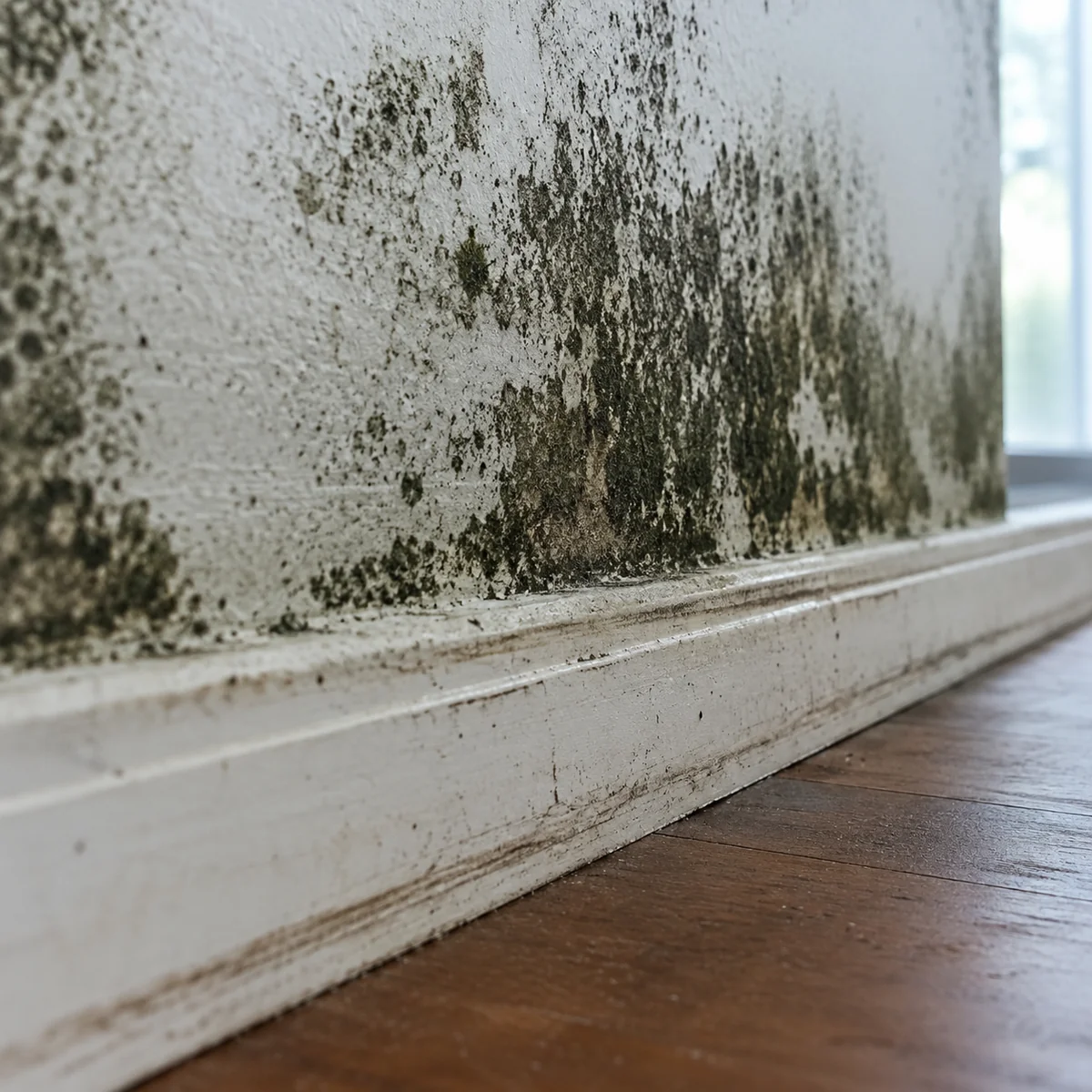
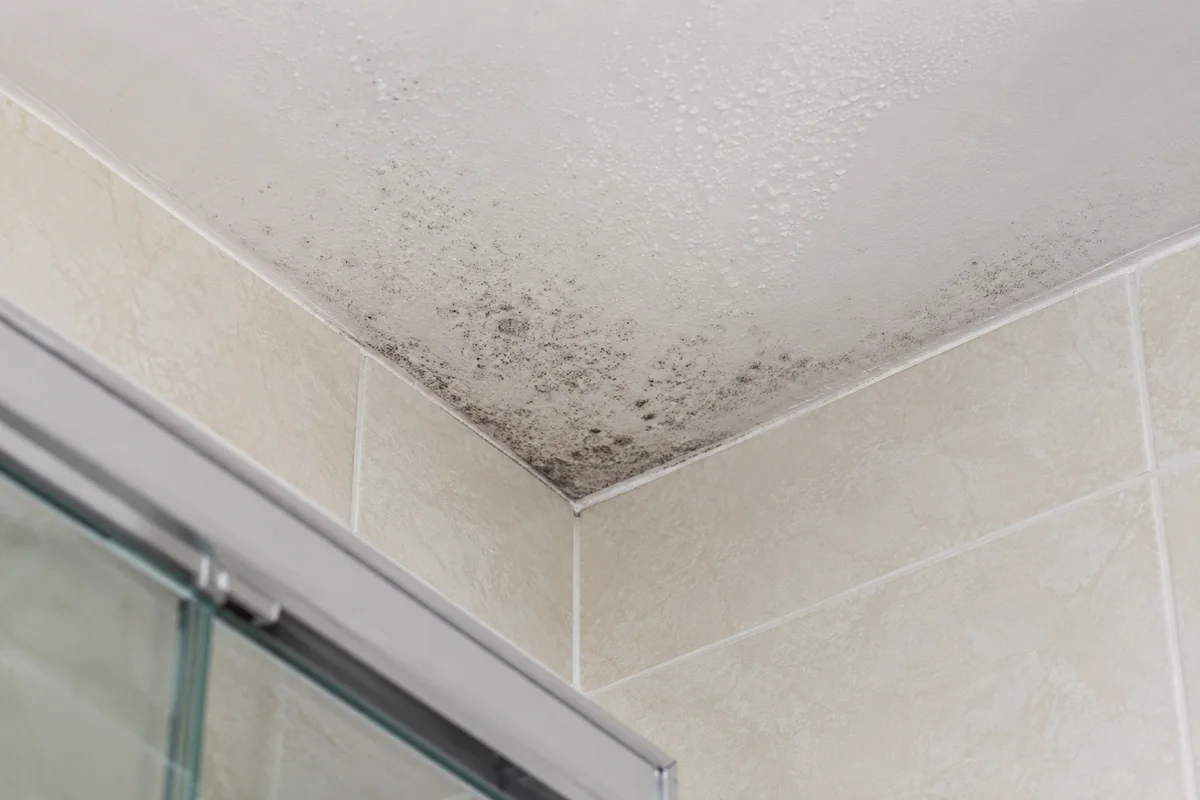
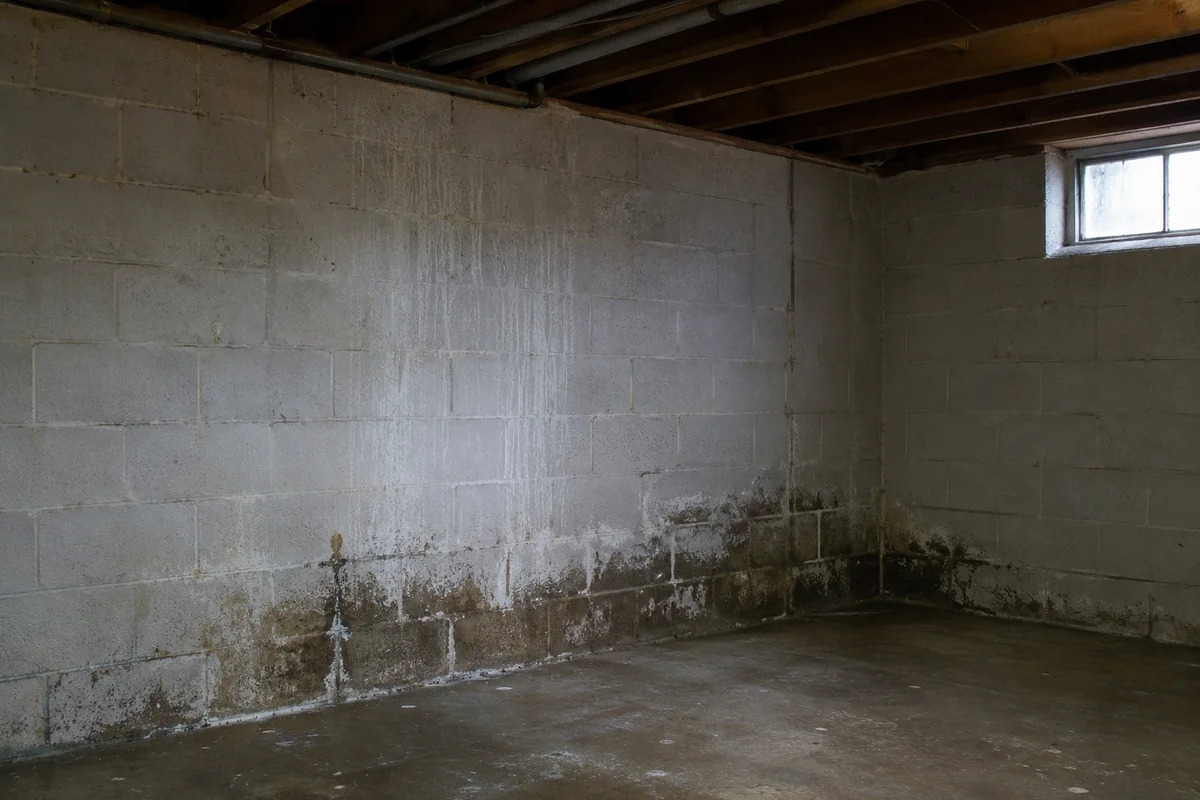
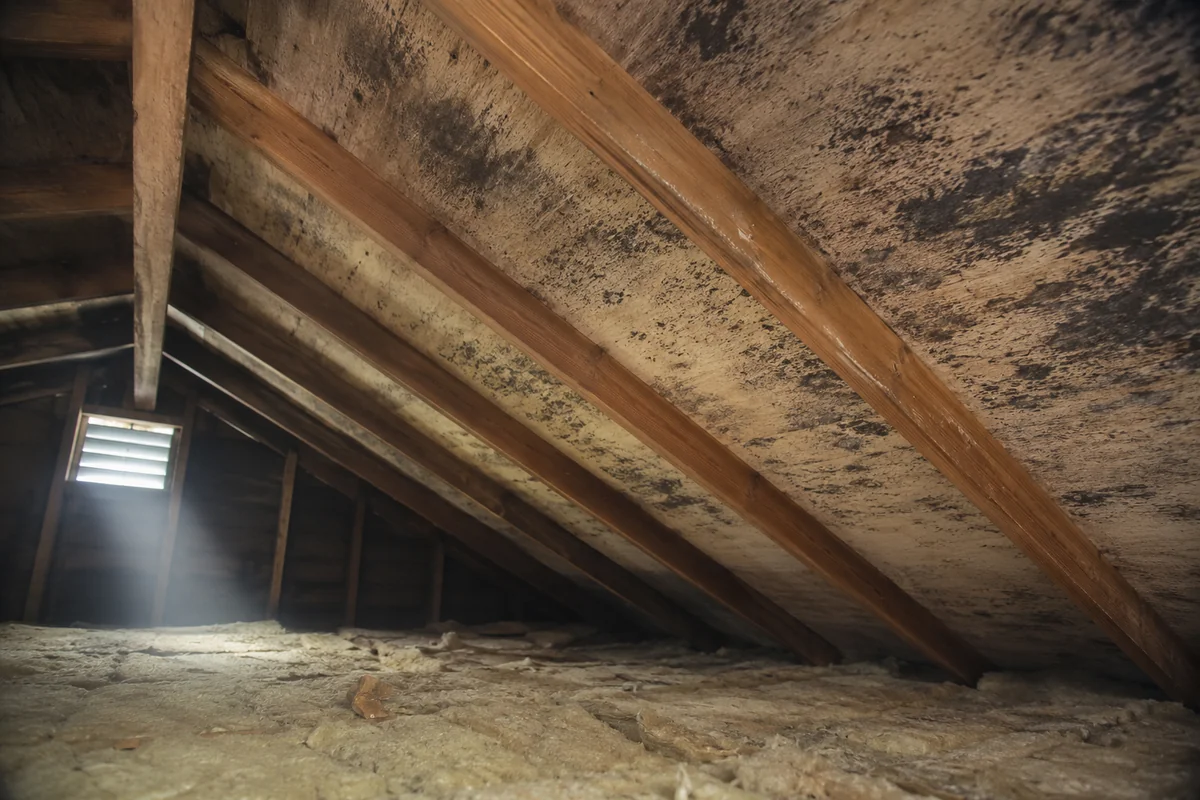
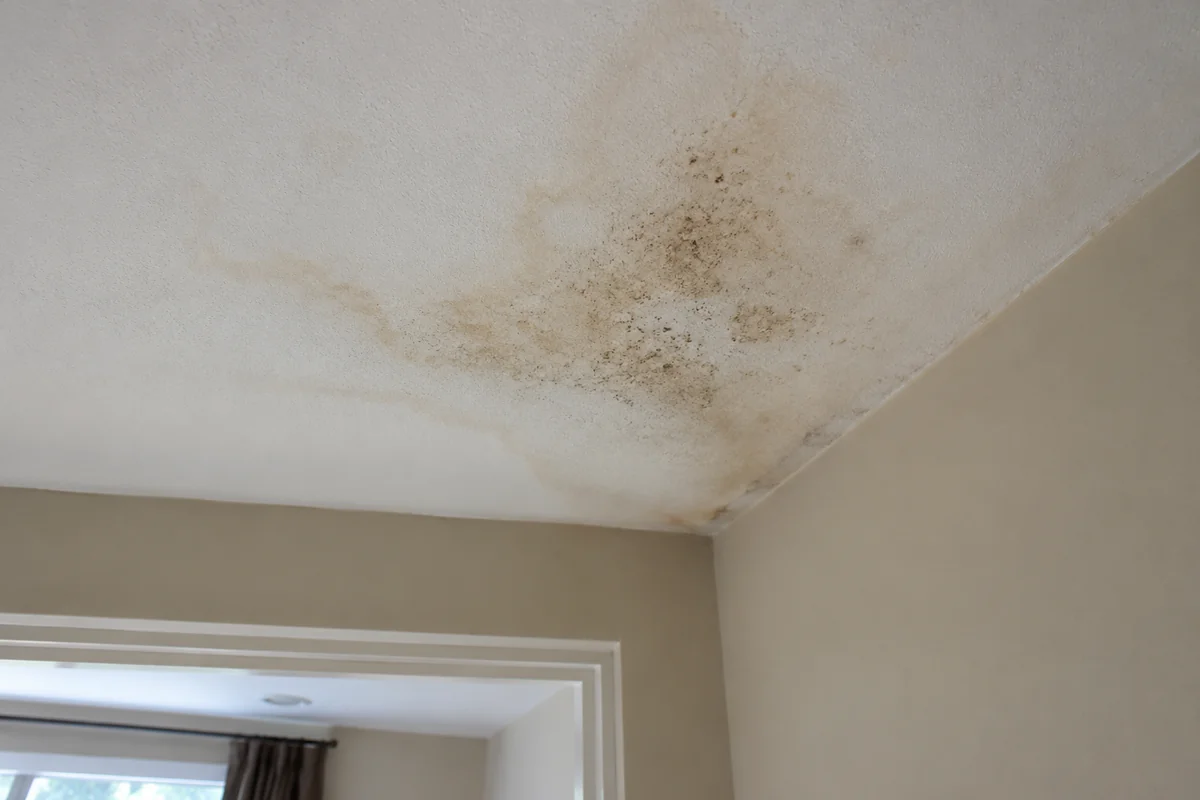
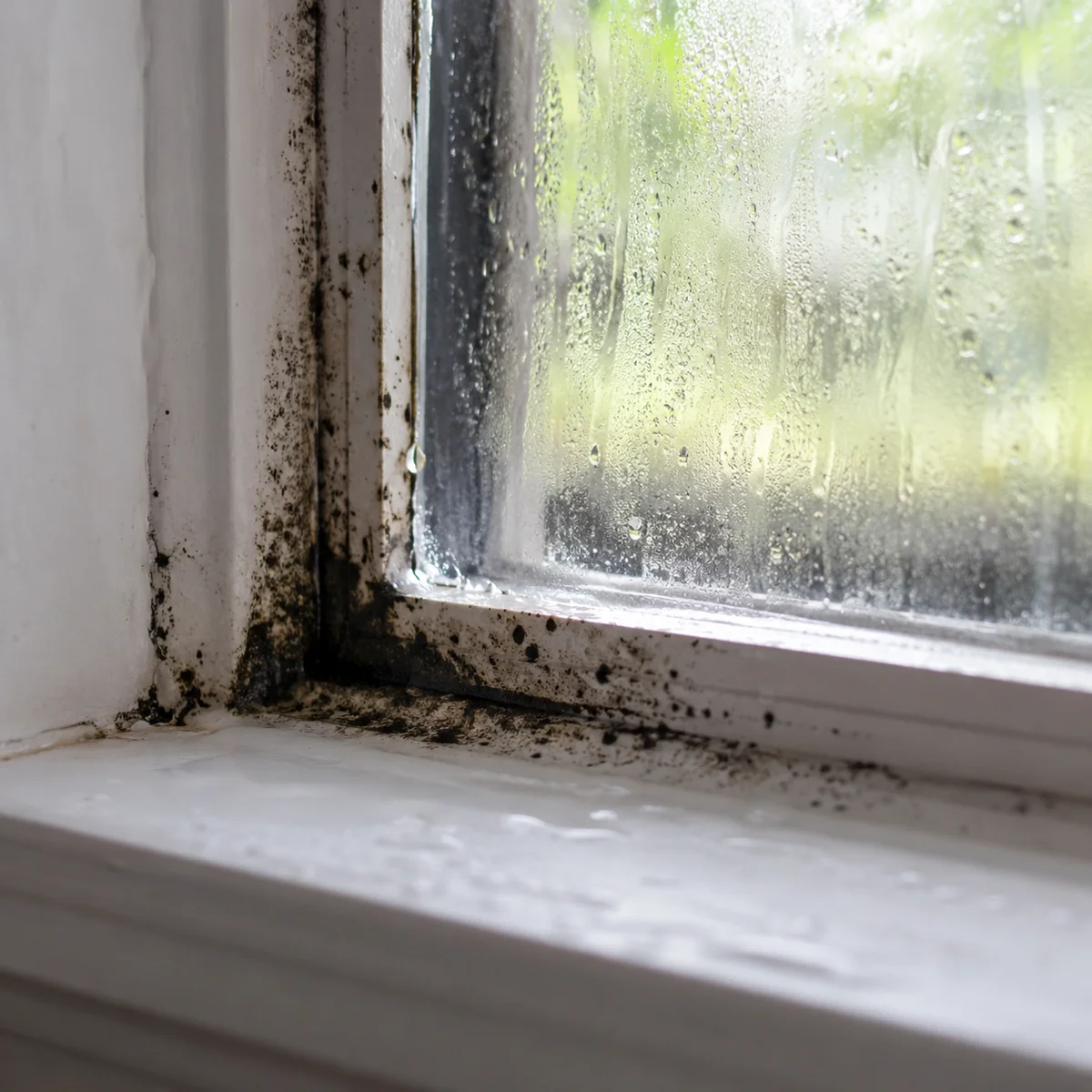
What mold looks like
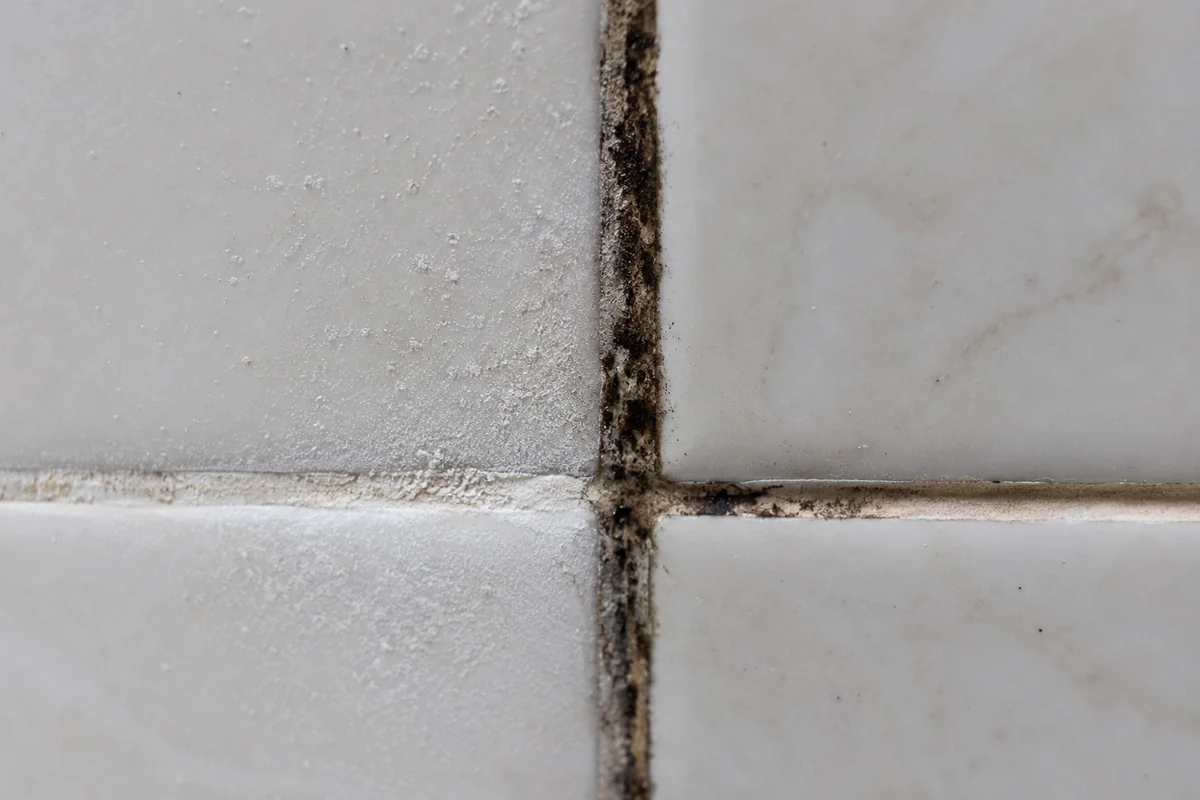
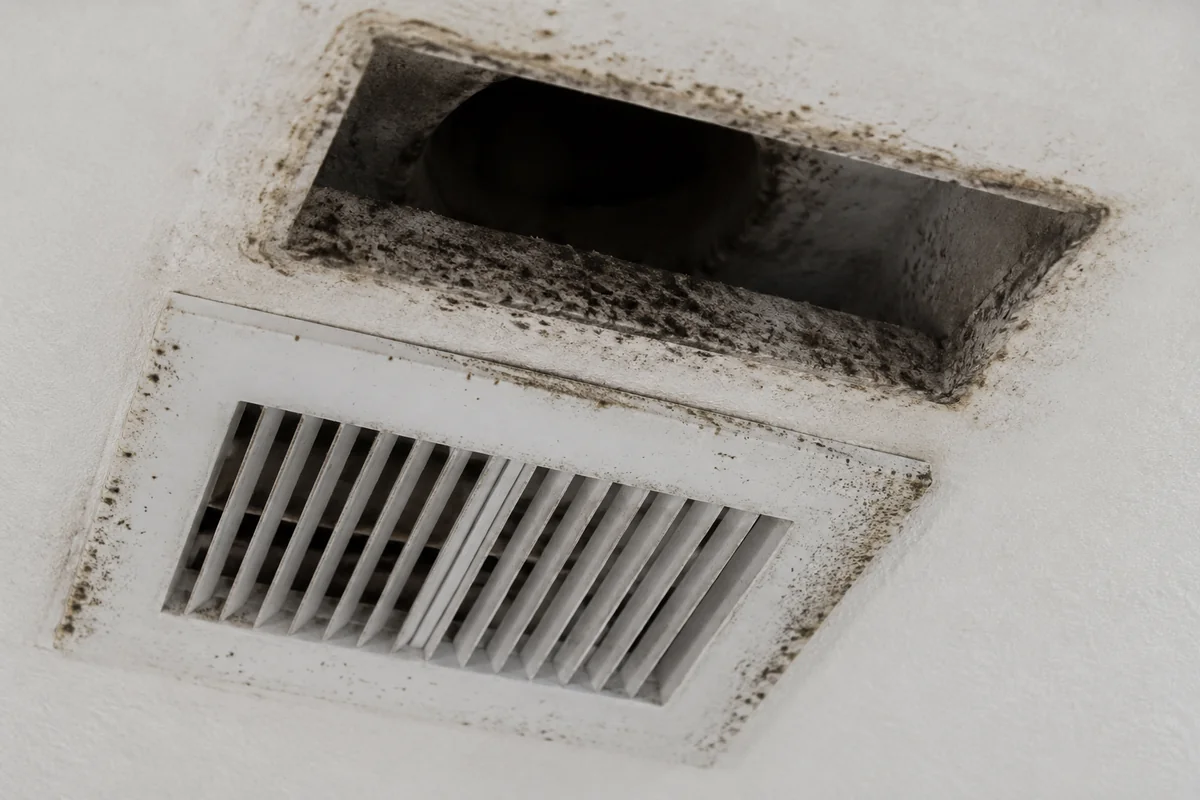
Keep going
Put it in writing
A dated notice is the fastest way to get a stalled landlord moving. Know your rights and generate yours in minutes.
A moisture problem is easier to handle when your record is clean, current, and organized, because it lets you speak from facts rather than memory. Start your file the day you notice something, keep originals, and update your timeline as events unfold. When you document mold in a rental carefully from the start, you give yourself a record that holds up wherever you may need it.
Not sure if it is even mold?
A quick guided check tells you what you are looking at and what to do next.