Residential
How to Prevent Mold in Your Home
Mold needs moisture to grow, so nearly every prevention step comes down to one idea: keep your home drier than mold can tolerate.
Learning how to prevent mold is mostly about managing water, because mold cannot grow without moisture. Control the dampness and you remove the one thing every mold problem depends on. That covers the humidity in your air, the leaks in your plumbing and roof, and the water that collects around and under your house. The good news is that most of these steps are ordinary home habits, not major projects, and they compound over time.
The 24 to 48 hour window
Wet materials can begin growing mold within roughly 24 to 48 hours. When something gets soaked, drying it quickly is the single most effective prevention step you can take. Speed matters more than almost anything else.
Keep indoor humidity in the right range
Mold thrives in damp air. Agencies like the EPA suggest keeping indoor humidity roughly between 30 and 50 percent. In that range, mold struggles to establish itself on surfaces. An inexpensive humidity gauge, often called a hygrometer, lets you see where your home actually sits rather than guessing. If a room regularly reads above 50 percent, that is a signal to add ventilation, a dehumidifier, or better air flow before growth starts.
Ventilate the wet rooms
Bathrooms, kitchens, and laundry areas produce a lot of moisture in a short time. Running an exhaust fan during and after showers and cooking pulls that humid air outside instead of letting it settle on walls and ceilings. Leave bath fans running for a while after you finish, open windows when the weather allows, and keep air moving in closets and corners that tend to stay still. The bathroom is the most common trouble spot, and mold in the bathroom covers the specifics of keeping that room dry.
Fix leaks fast
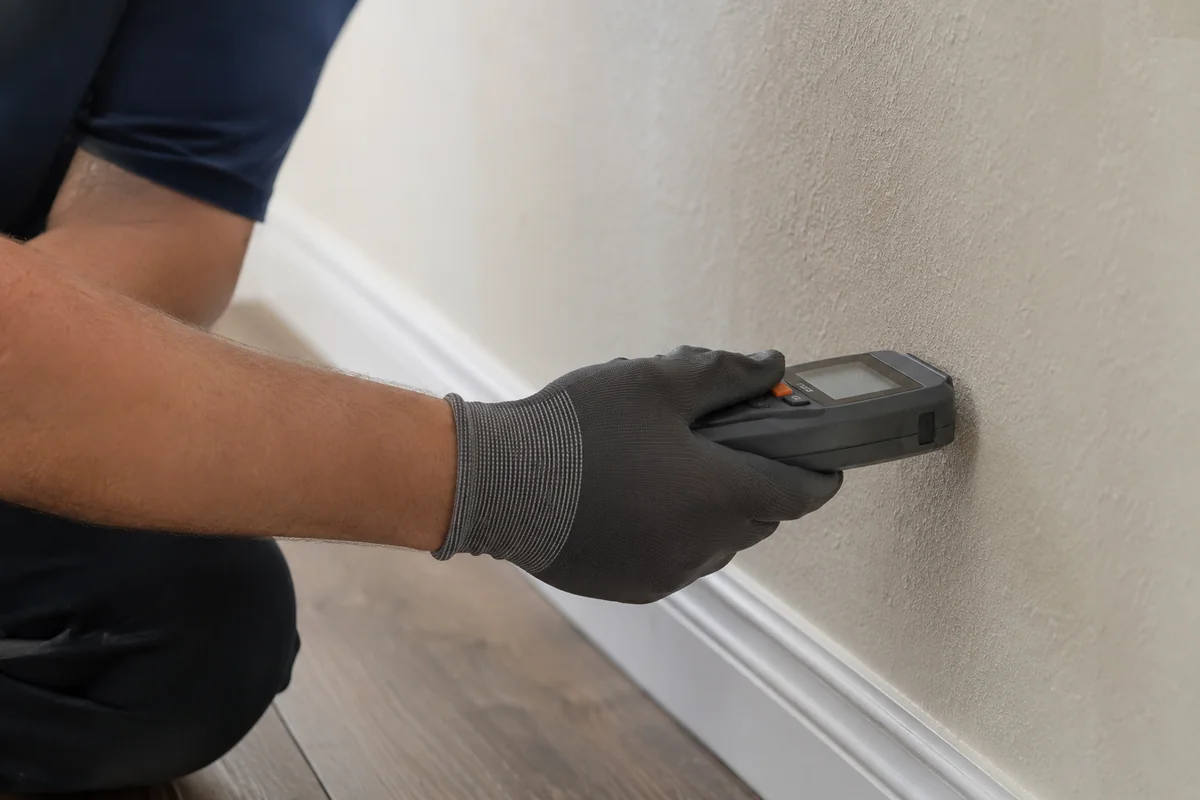
A slow leak is a mold factory because it keeps materials damp indefinitely. Check under sinks, around toilets, behind the washing machine, and at water heater connections from time to time. The moment you find a drip or a water stain, treat it as urgent and dry the area within that 24 to 48 hour window. Roof and window leaks deserve the same speed. Catching a small leak early is far easier than dealing with the growth a neglected one leaves behind.
Use dehumidifiers where air stays damp
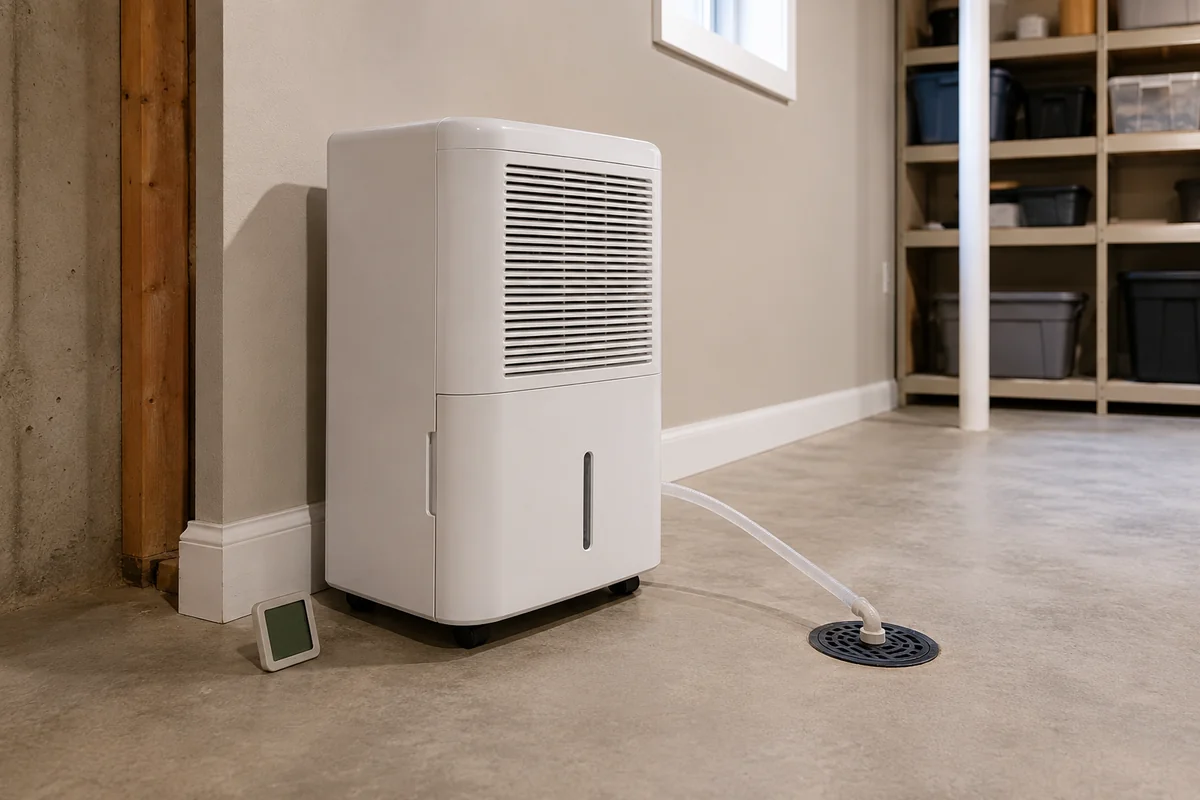
Some spaces stay humid no matter how well you ventilate, especially in muggy climates or during wet seasons. A dehumidifier pulls moisture out of the air and helps hold a room in that 30 to 50 percent target. Basements, crawlspaces, and closed-up rooms often benefit most. Empty the reservoir regularly or route it to a drain, and clean the unit so it does not become a damp problem of its own.
Manage basement and crawlspace moisture
Below-grade spaces are the classic mold risk because they sit against cool, damp earth. Watch for condensation on walls and pipes, seepage after rain, and that persistent damp feel. A dehumidifier, good drainage, and insulating cold pipes all help. Storing boxes off the floor and away from walls keeps air moving. Because these spaces have their own patterns, mold in the basement goes deeper on what tends to cause it and how to stay ahead of it.
Handle water outside the house
A surprising amount of indoor moisture starts outdoors. Clogged gutters overflow and dump water against the foundation. Downspouts that end right at the wall push water toward the basement. Ground that slopes toward the house instead of away funnels rain to the foundation. Keeping gutters clear, extending downspouts several feet from the house, and grading soil to slope away are simple outdoor steps that pay off inside. Seasonal weather shifts, so it helps to adjust as conditions change through the year.
A simple prevention routine
You do not need to do everything at once. A light, repeatable routine keeps moisture in check without turning into a chore.
- 1 Check a humidity gauge in problem rooms and aim to keep readings between 30 and 50 percent.
- 2 Run bath and kitchen fans during and after showers and cooking, and leave them on a while longer.
- 3 Once a month, scan under sinks, behind appliances, and around toilets for drips or stains, and dry anything wet within 24 to 48 hours.
- 4 Empty and clean dehumidifiers on schedule during humid seasons.
- 5 Each season, clear the gutters and confirm downspouts carry water several feet away from the foundation.
- 6 After any spill, overflow, or storm intrusion, dry the affected materials quickly rather than letting them sit.
If you already have a moisture issue you cannot pin down, prevention alone will not resolve it. In that case you can find a licensed local pro to locate the source, and it is worth reading do I need a pro? to judge when a problem has grown past a do-it-yourself fix.
Frequently asked questions
What indoor humidity prevents mold?+
Keeping indoor humidity roughly between 30 and 50 percent makes it much harder for mold to grow. Agencies like the EPA point to this range. Use an inexpensive humidity gauge to see where your rooms actually sit, and add ventilation or a dehumidifier where readings stay high.
Does a dehumidifier help prevent mold?+
Yes, in damp spaces a dehumidifier is one of the more effective tools because it lowers the moisture mold needs. Basements, crawlspaces, and closed-up rooms benefit most. Keep the unit emptied and clean so it stays part of the solution rather than becoming damp itself.
How do I prevent mold in the bathroom?+
Run the exhaust fan during and after showers, leave it on a while longer to clear humid air, wipe down wet surfaces, keep grout and caulk in good shape, and fix any drips quickly. Good air flow is the core of it. See the bathroom guide for the full set of steps.
Do houseplants cause mold?+
Houseplants add some moisture and their soil can support surface mold if overwatered, but they are rarely the main driver of a home mold problem. Avoid overwatering, ensure pots drain, and keep good air flow around them. The bigger factors are humidity, ventilation, and leaks.
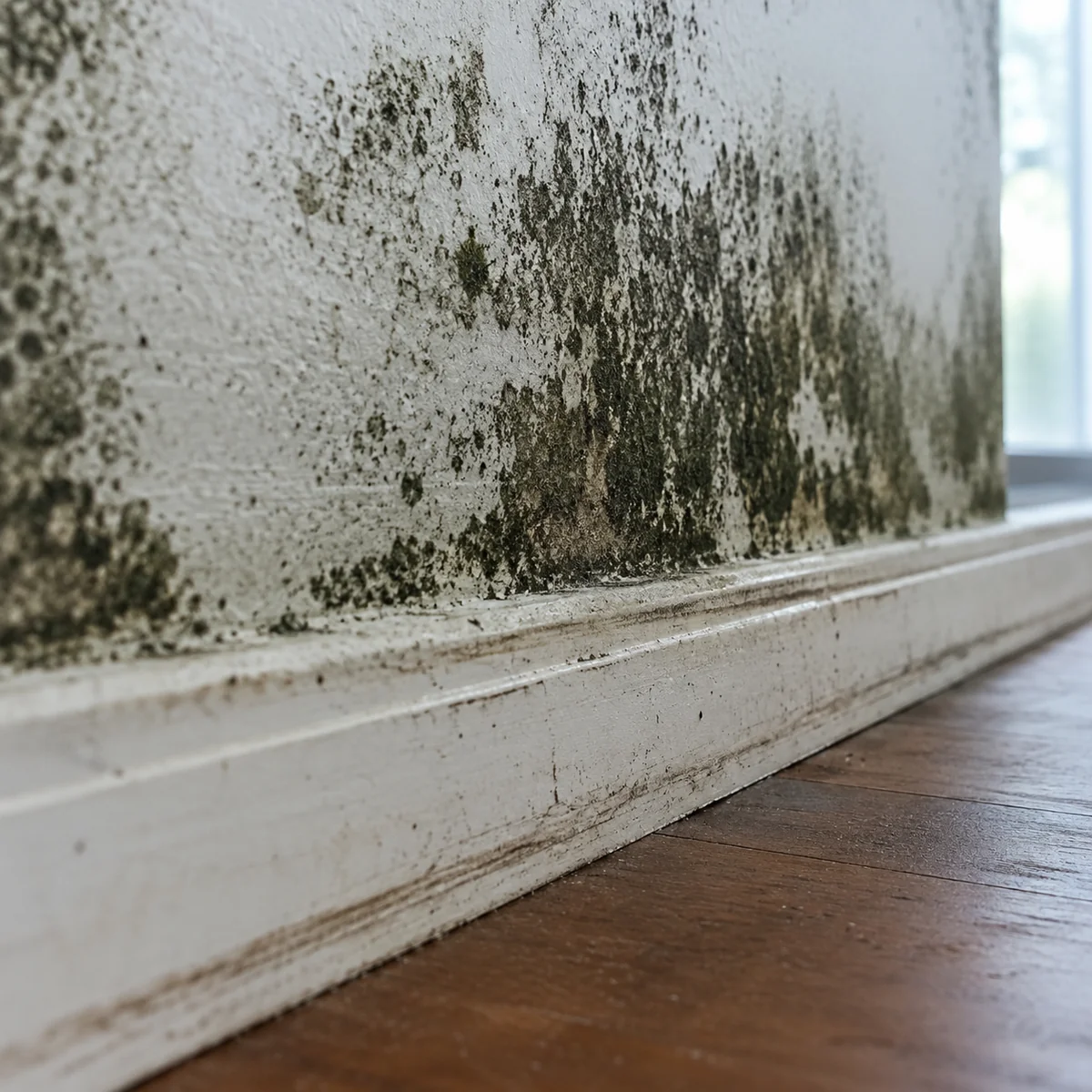
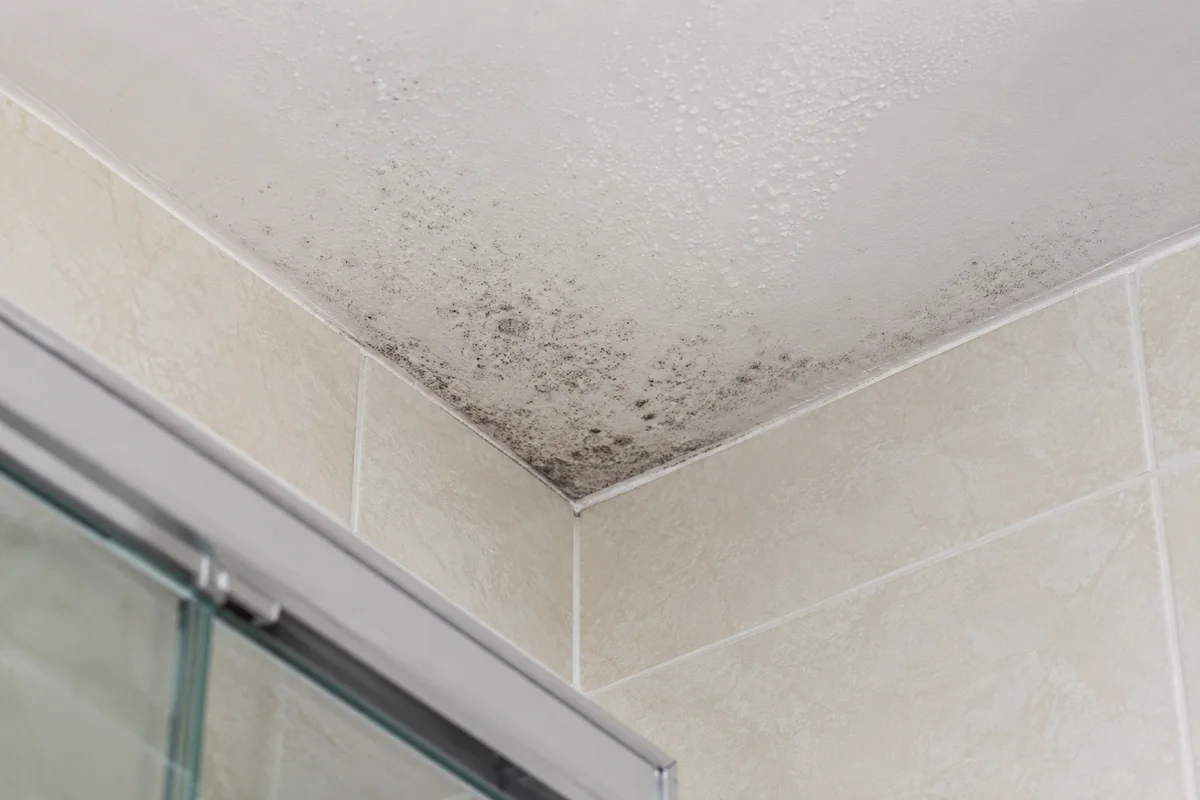
What mold looks like
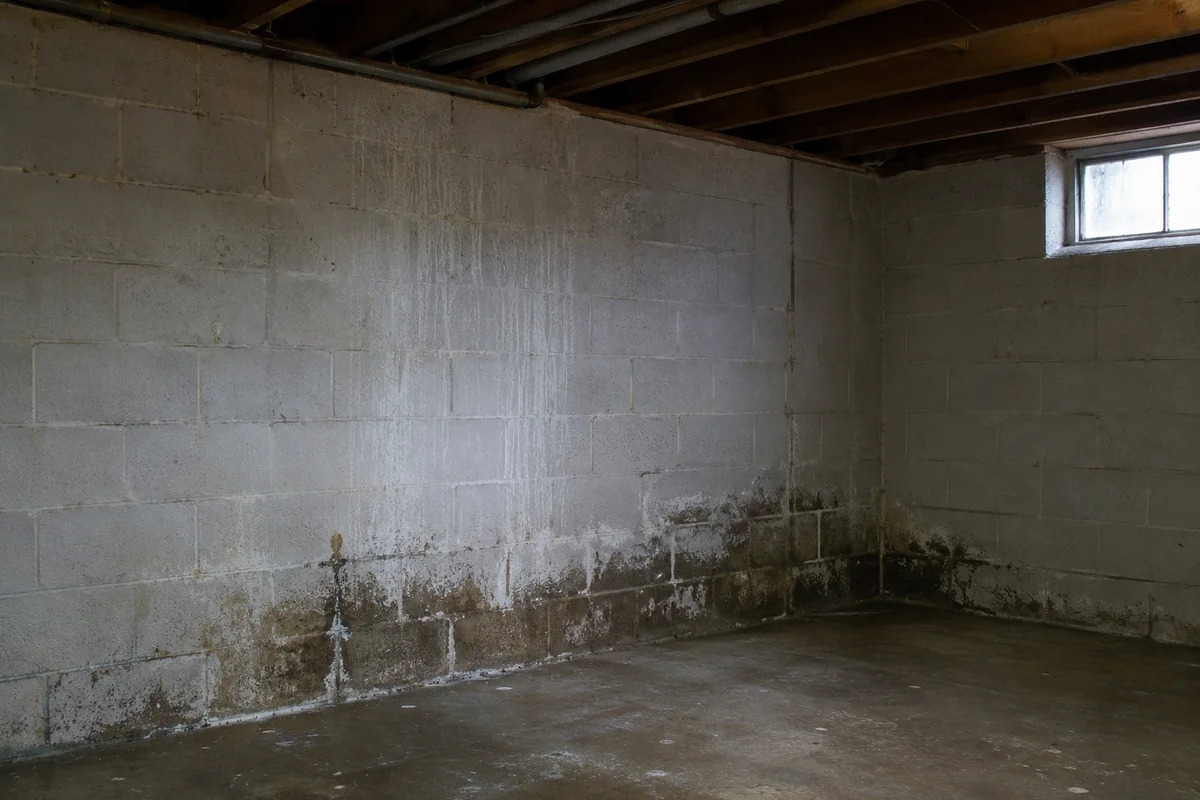
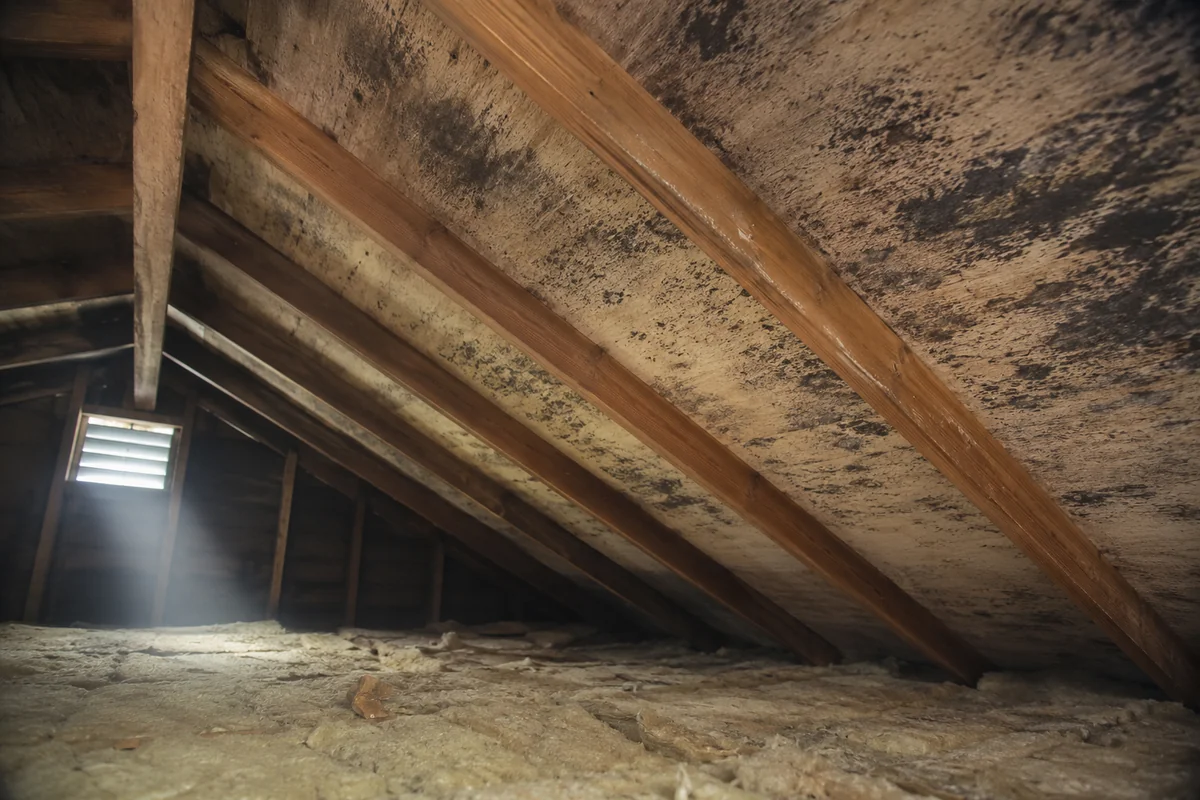
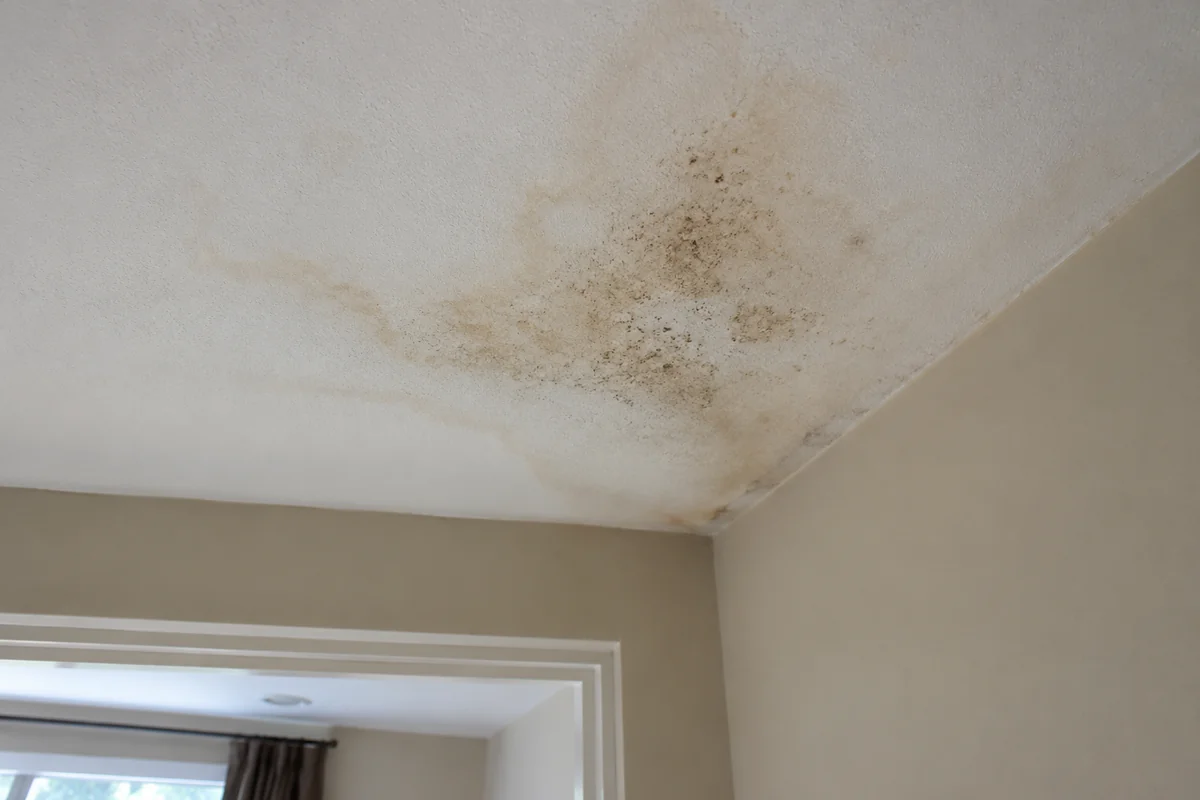
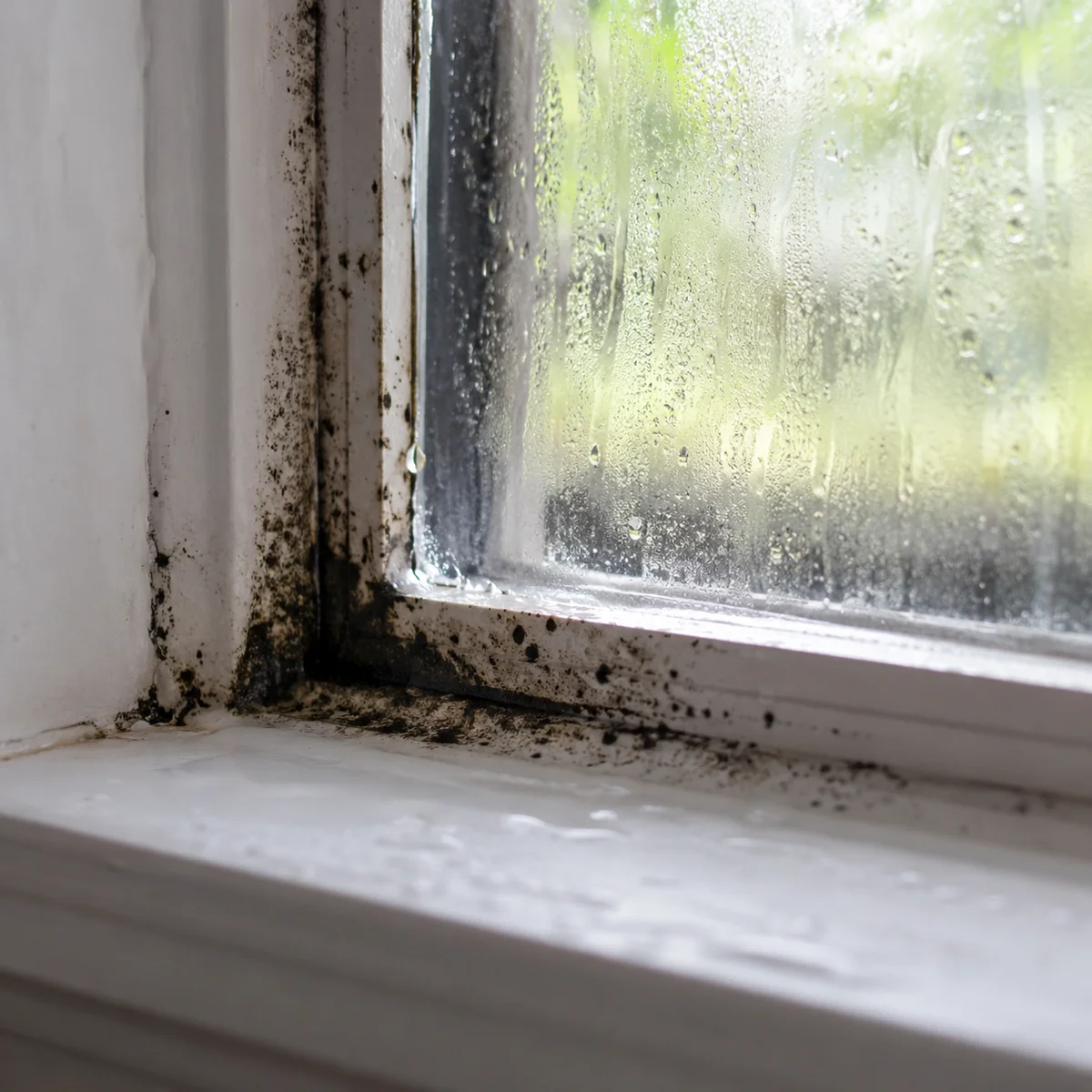
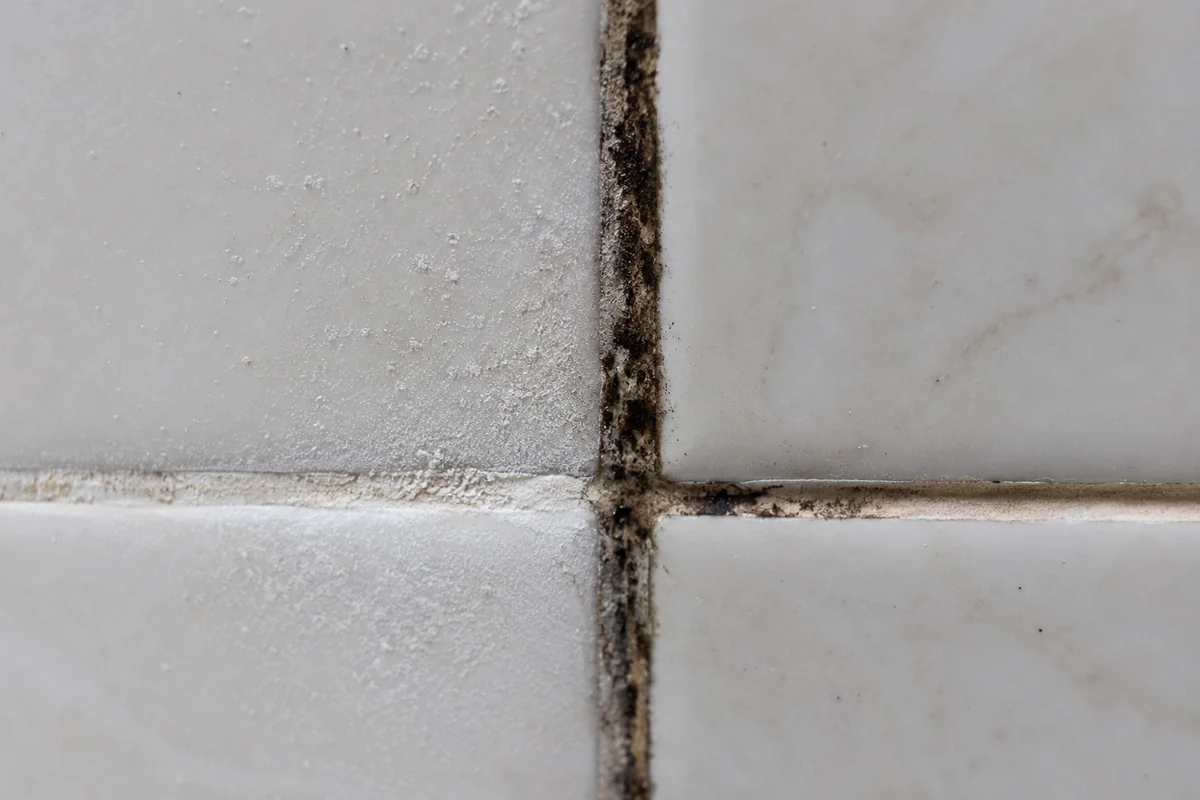
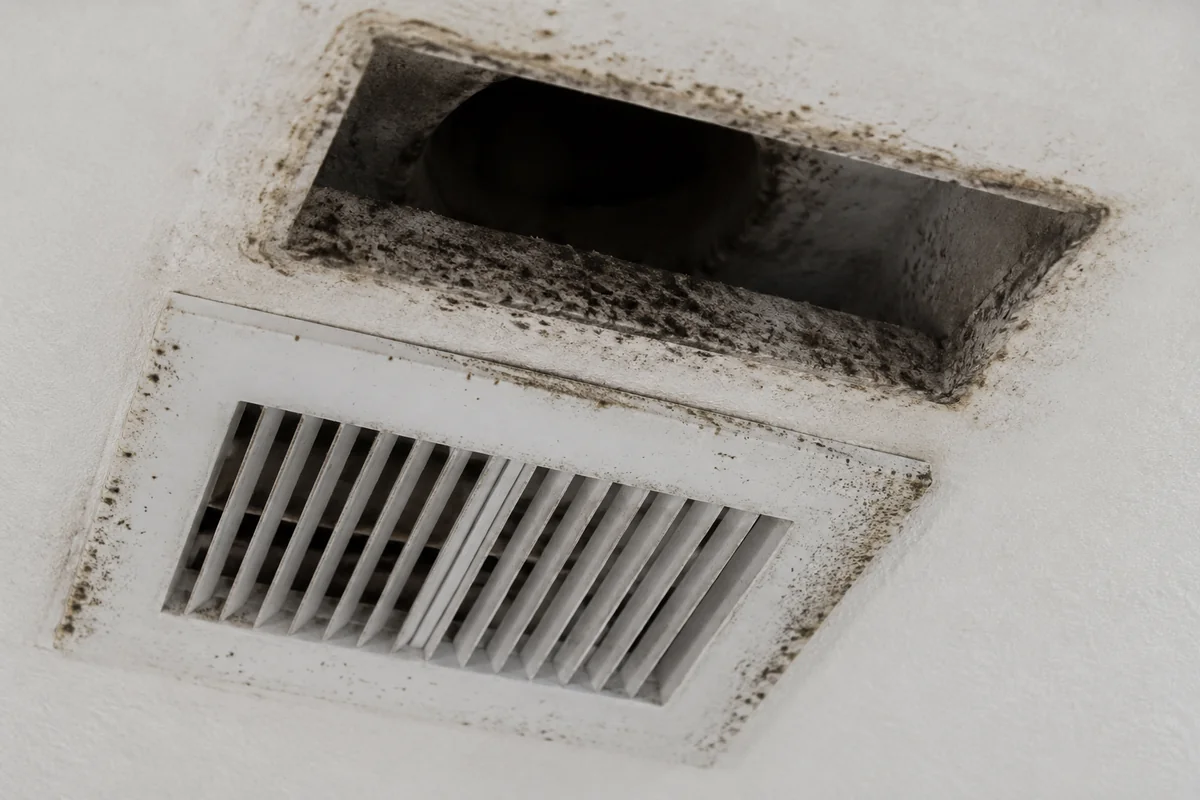
Not sure what you are dealing with?
A quick guided check tells you what you are looking at and the right next step.
Prevention is not one big fix but a handful of small, steady habits that keep your home on the dry side of trouble. Watch your humidity, ventilate the wet rooms, chase down leaks fast, and manage the water around your foundation. Do those consistently and you take away the moisture that growth depends on, which is the whole of how to prevent mold before it ever starts.
Not sure if it is even mold?
A quick guided check tells you what you are looking at and what to do next.