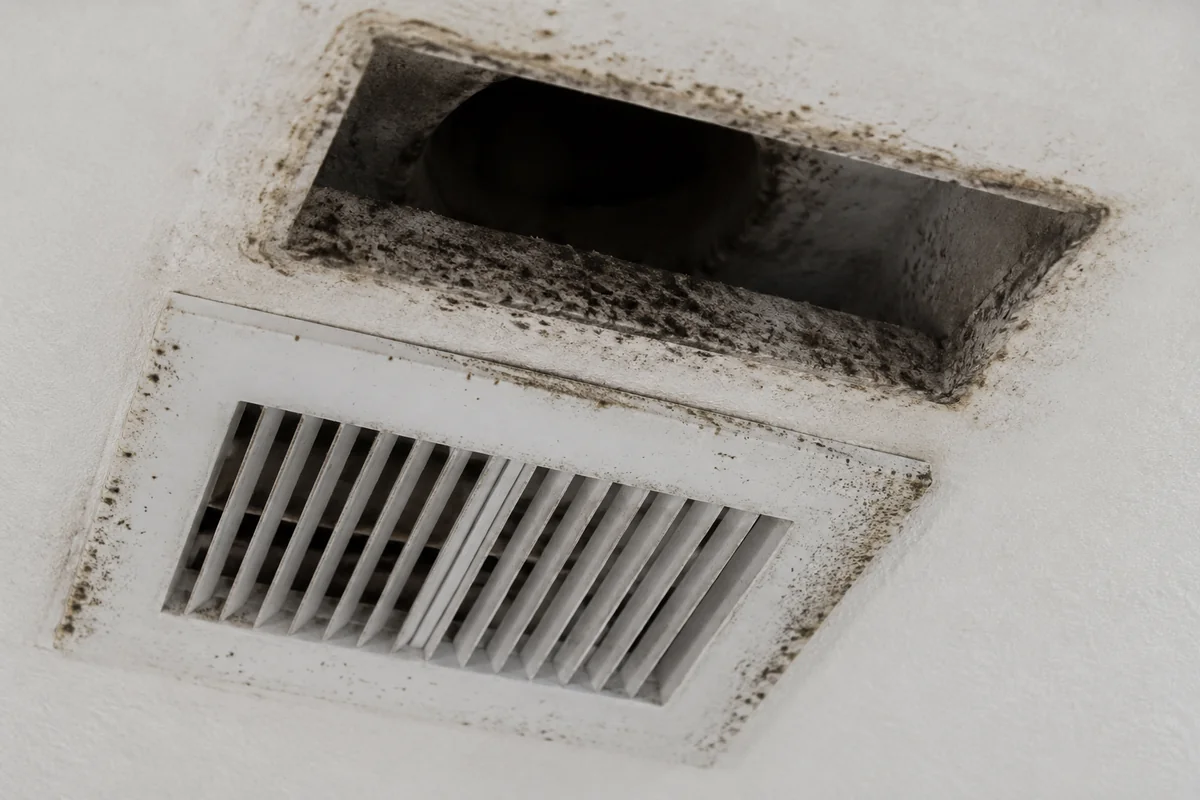
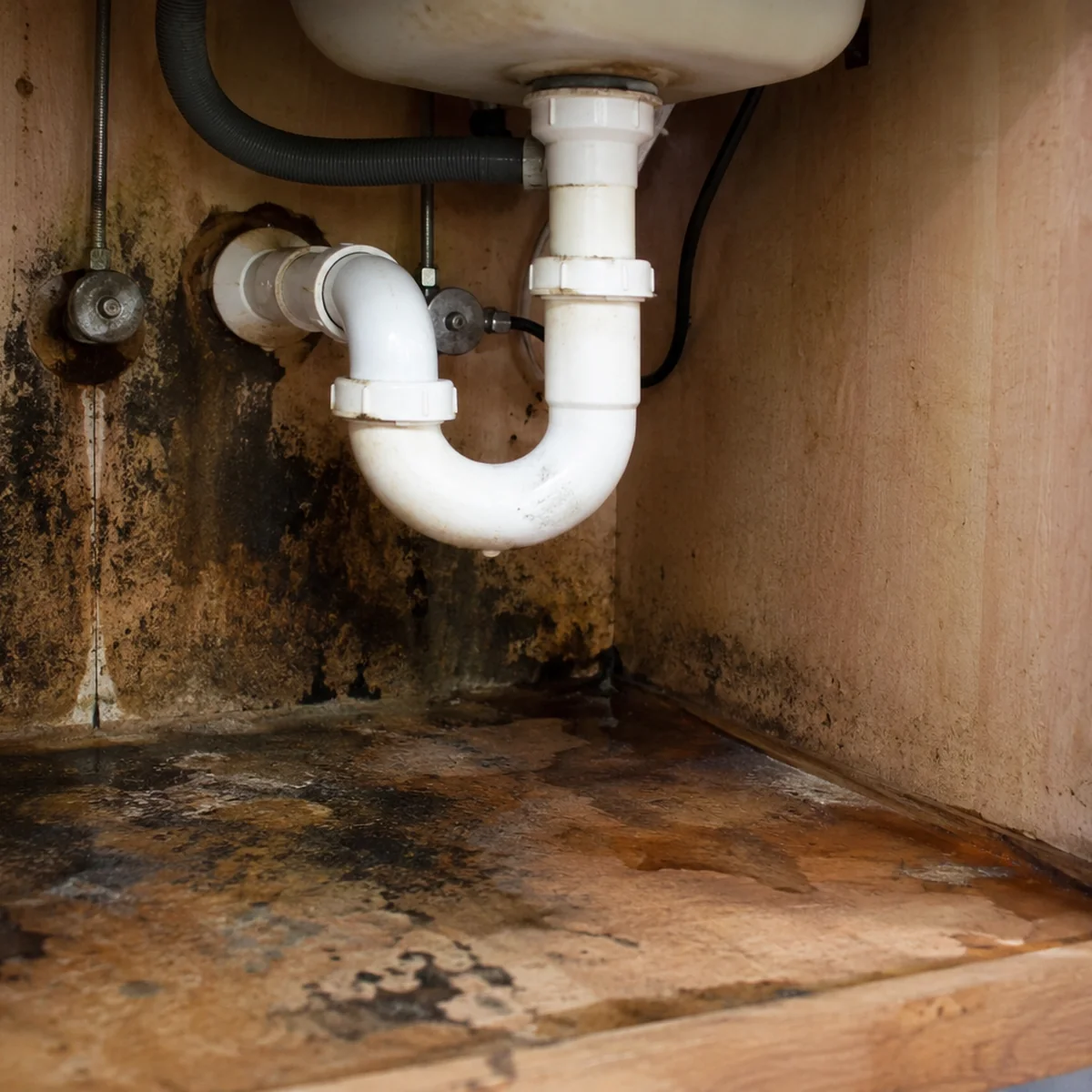
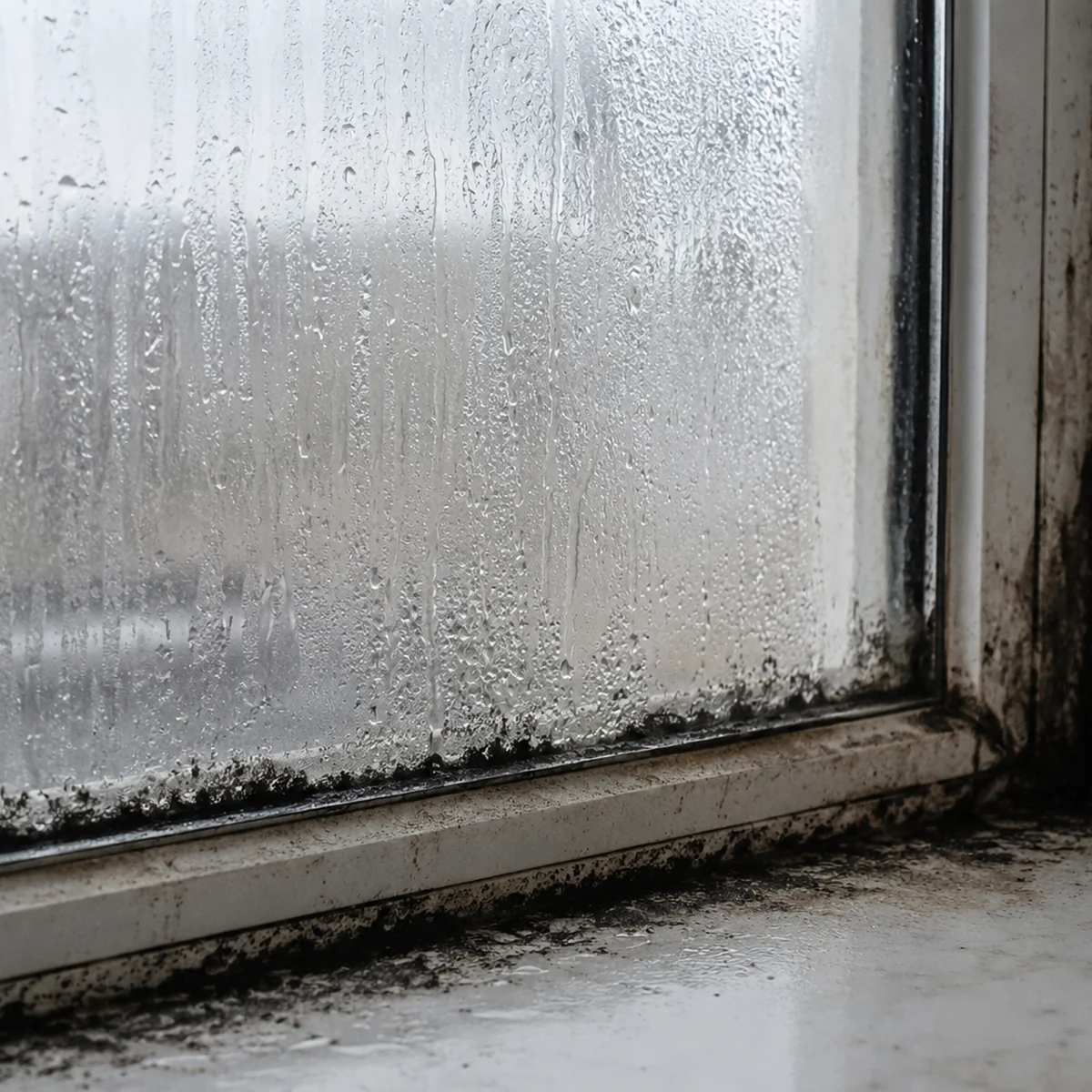
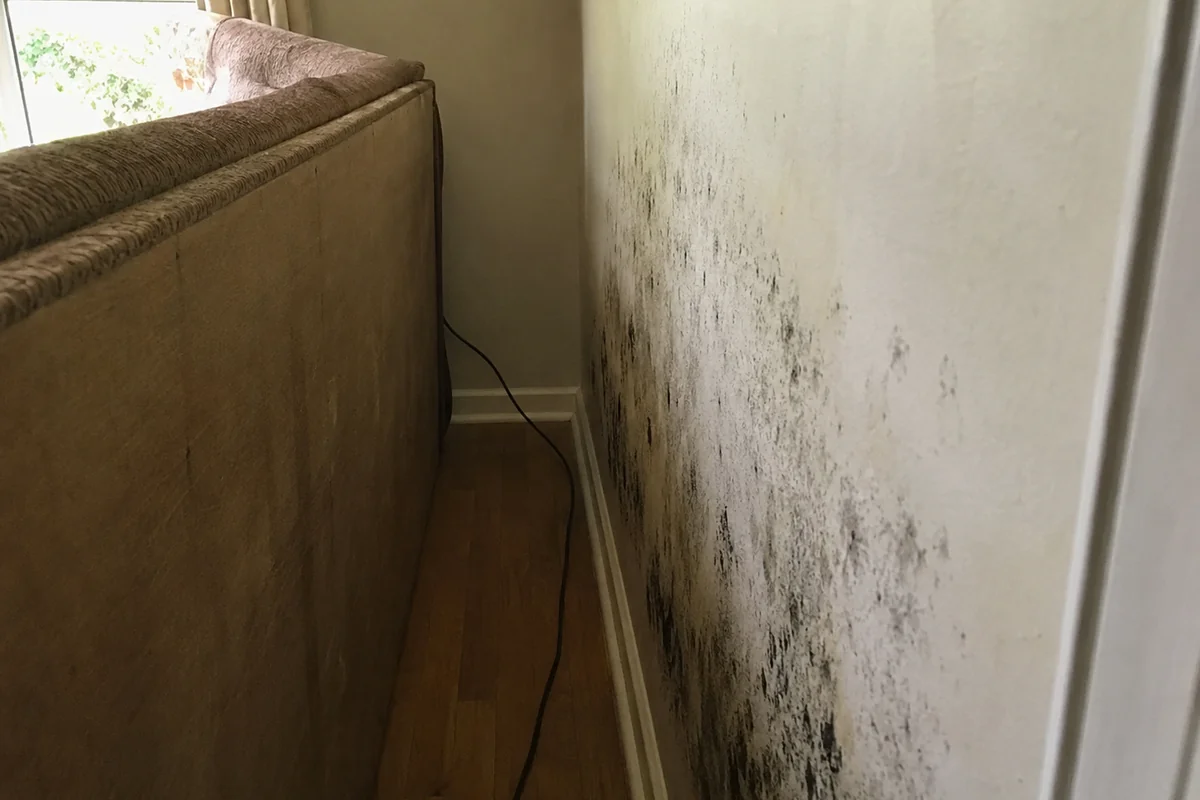
Spot it, understand the real risk, decide what to do, and find a vetted local pro when the job is bigger than a weekend.
Finding mold in your home is unsettling, and most of the advice out there either tries to scare you or tries to sell you something. Here you get the honest version, so you can act with a clear head.
The honest rule of thumb
A small patch under about 10 square feet on a hard surface is usually a safe do it yourself job. Larger areas, anything behind walls, or mold tied to ongoing water need a licensed professional.
Start with the four questions that actually matter
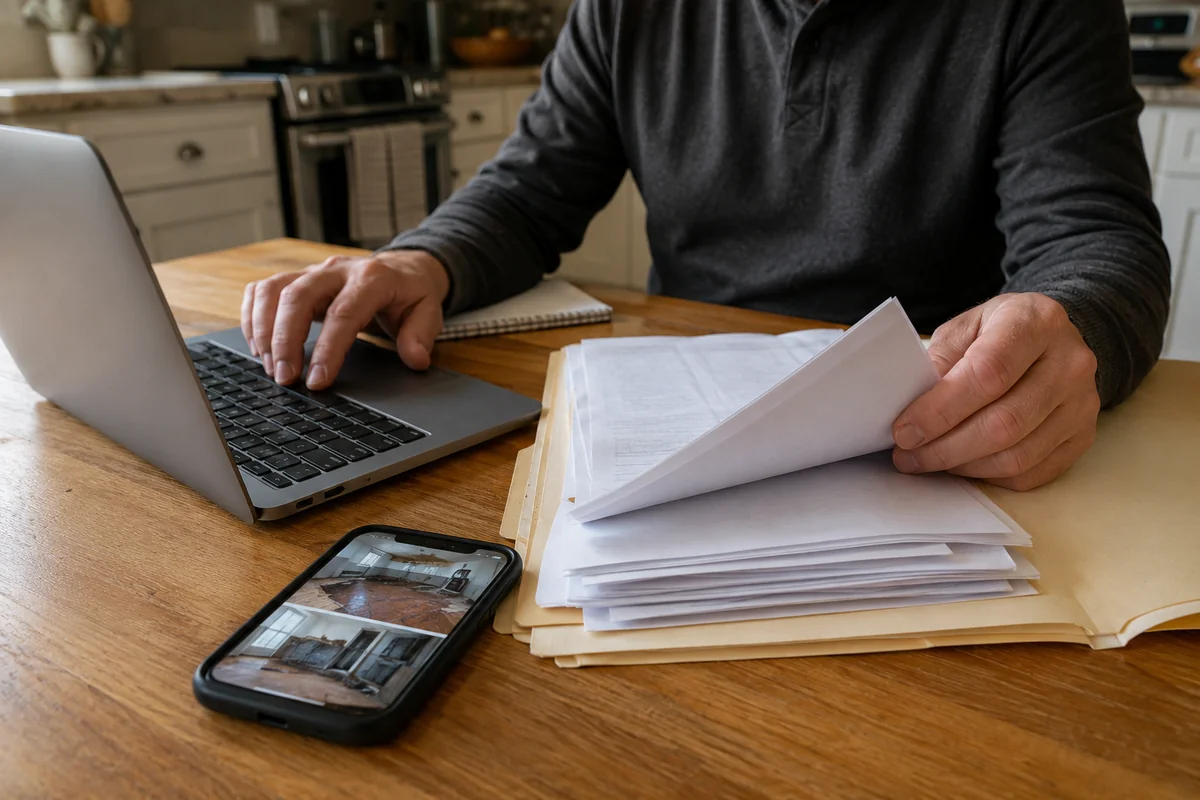
Before you scrub anything or call anyone, get clear on what you are looking at. These four answers decide almost every next step, and our tools walk you through them in a couple of minutes.
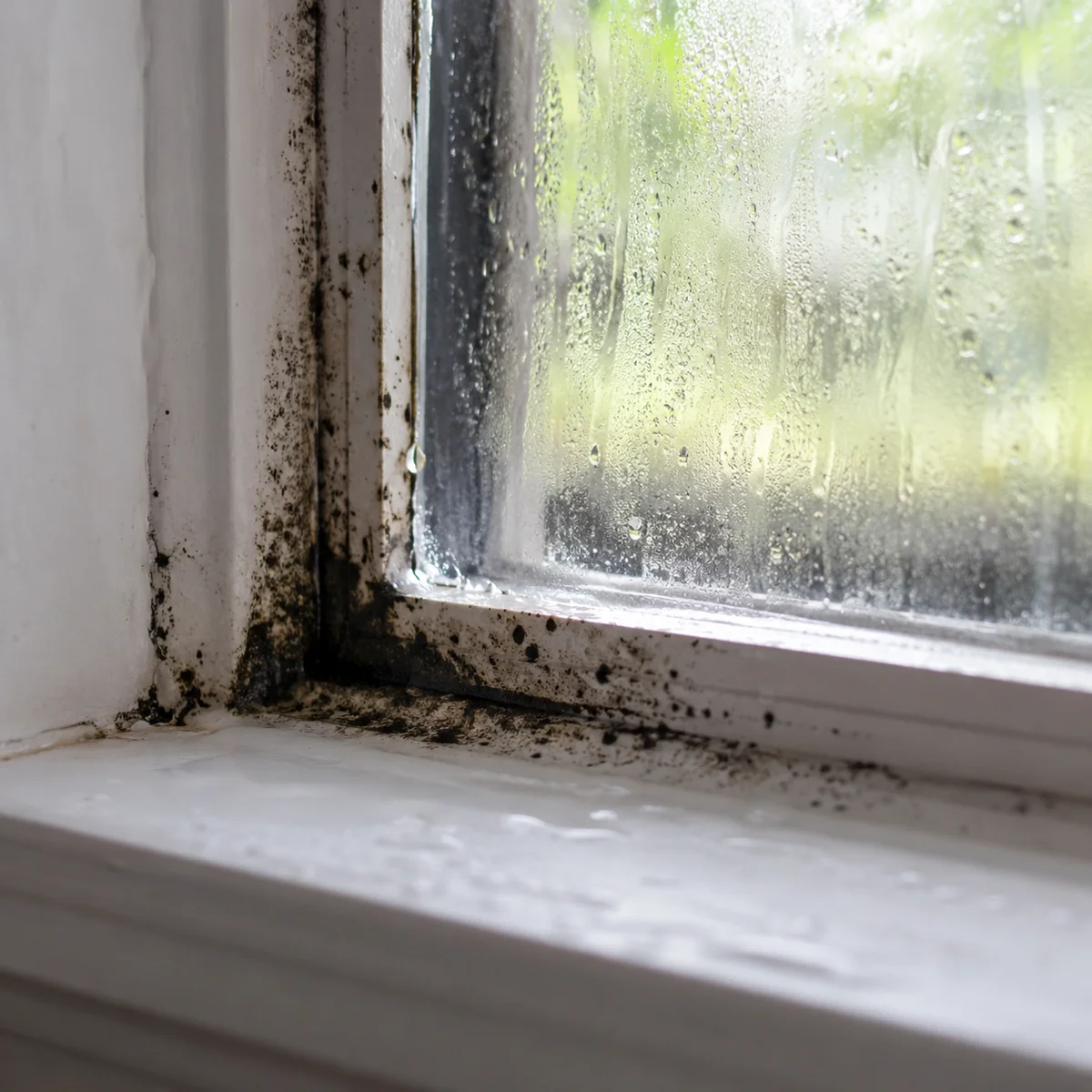
Check what you found- What is it: mold, mildew, or a harmless stain
- How much there is, measured against the 10 square foot line
- Where the moisture is coming from
- Who spends time in the space
Where to start
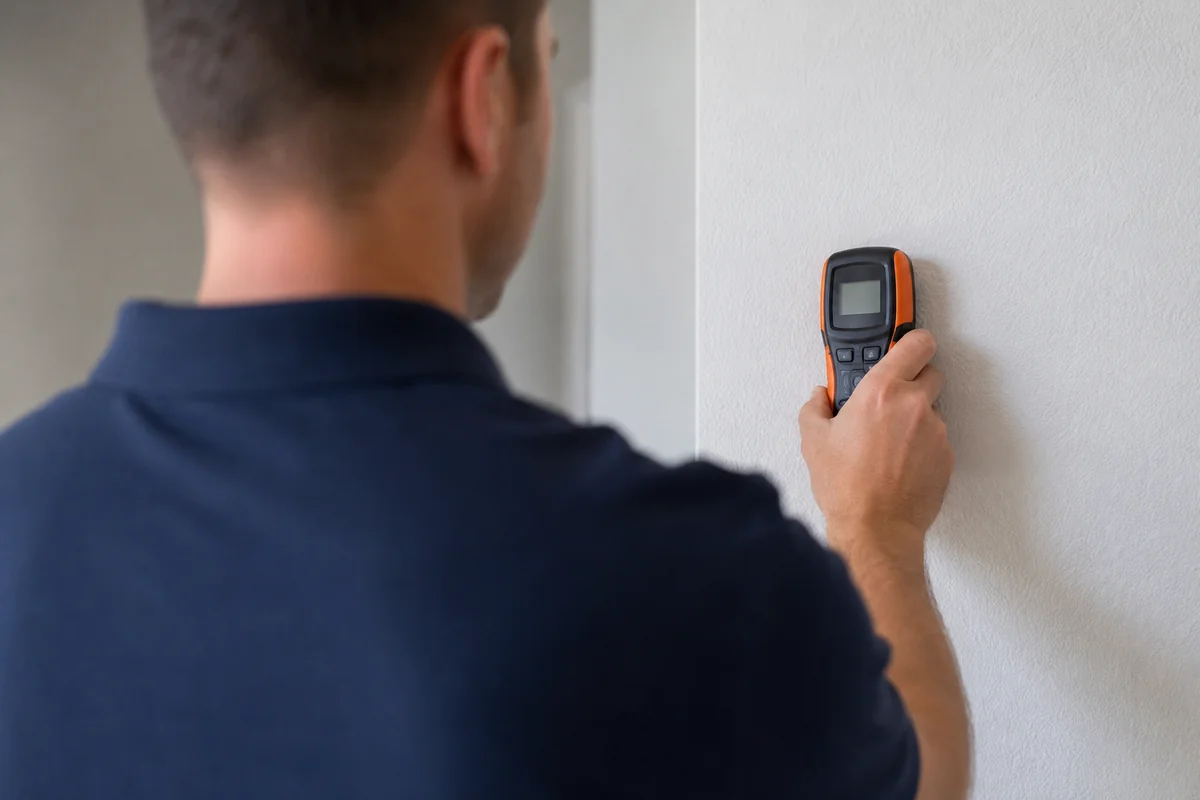
Common places mold shows up
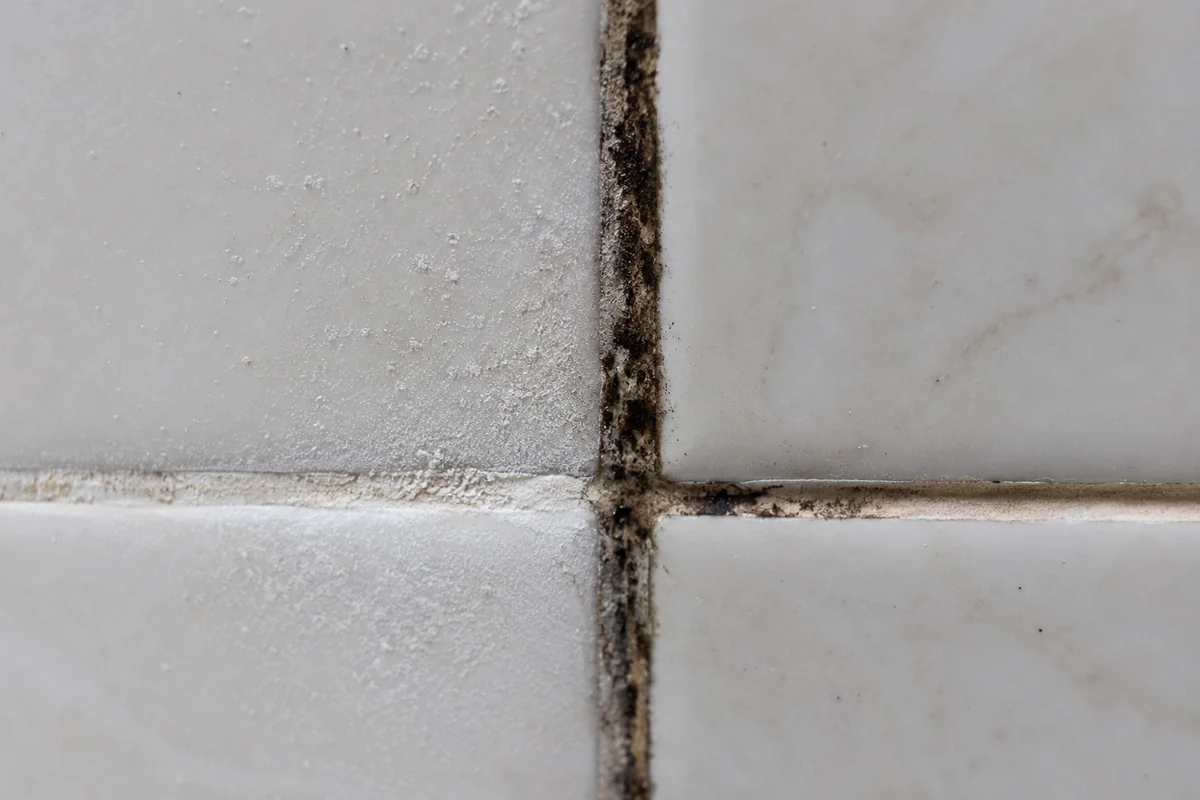
Bathroom
Grout, ceilings, and caulk from steam.
Read the guide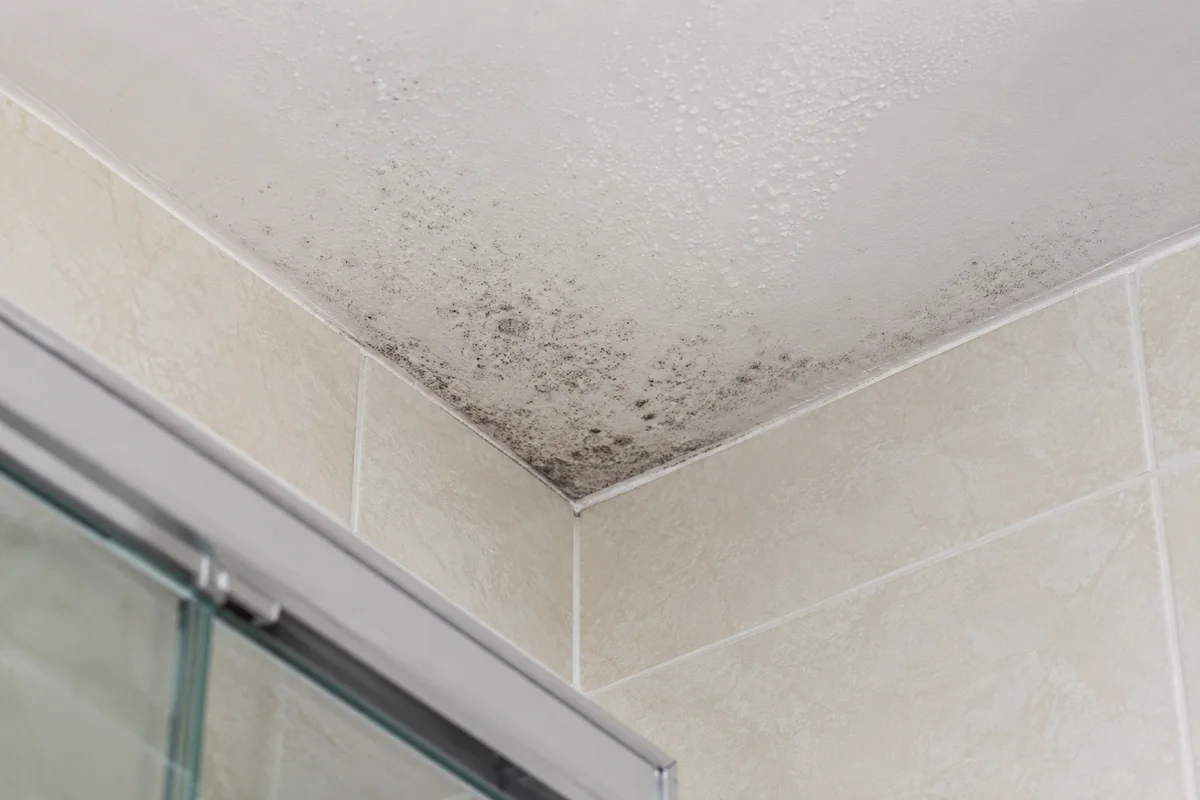
Basement
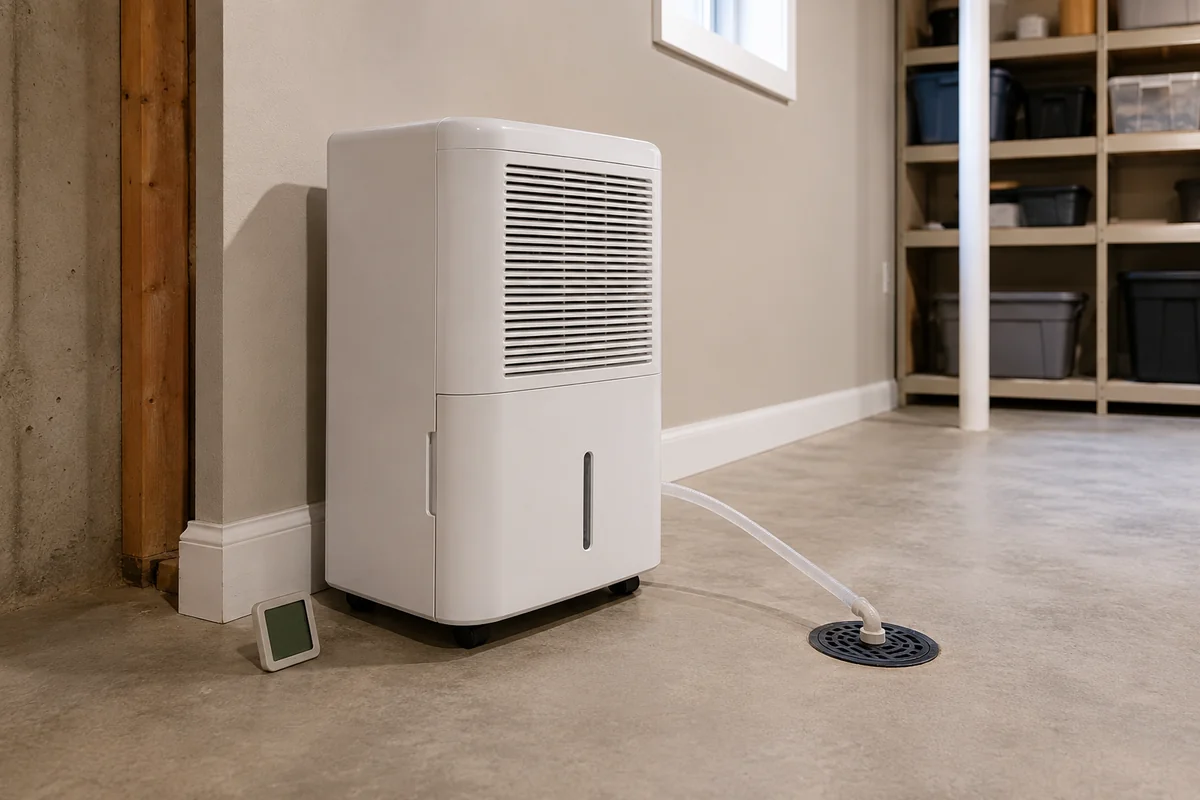
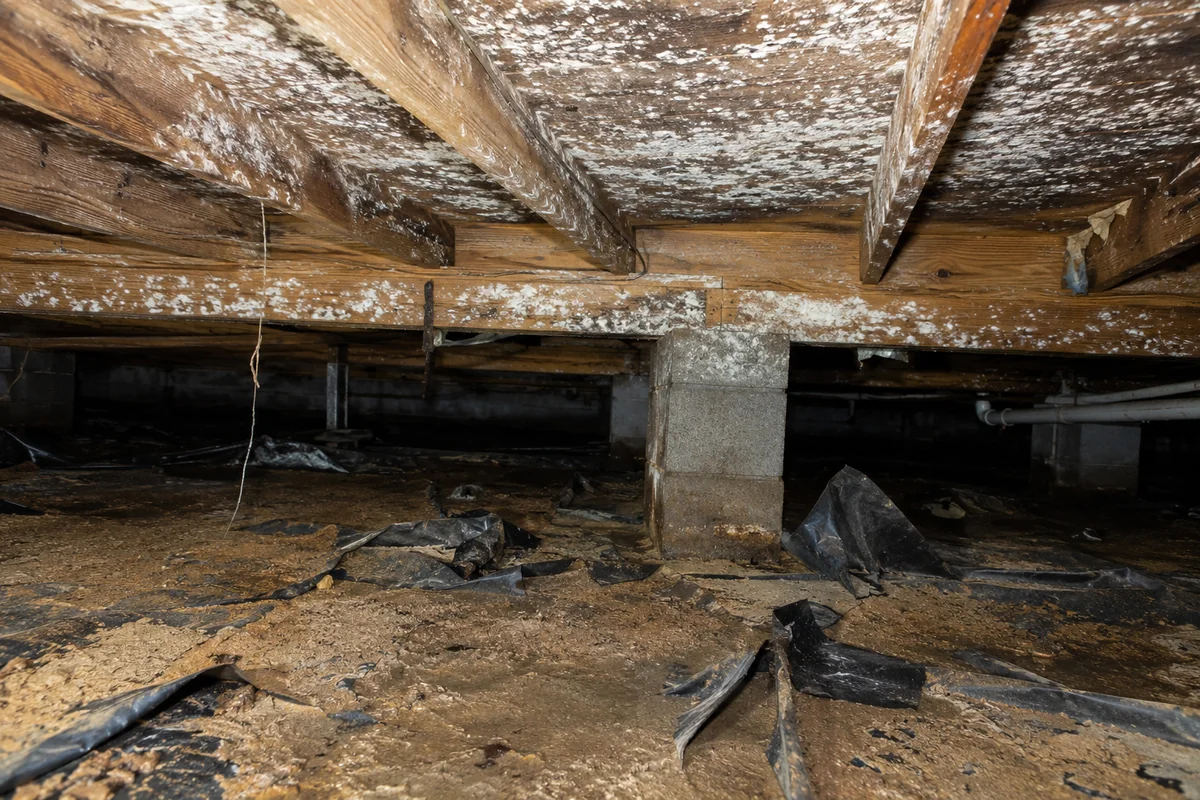
Cool, damp walls and moisture from outside.
Read the guide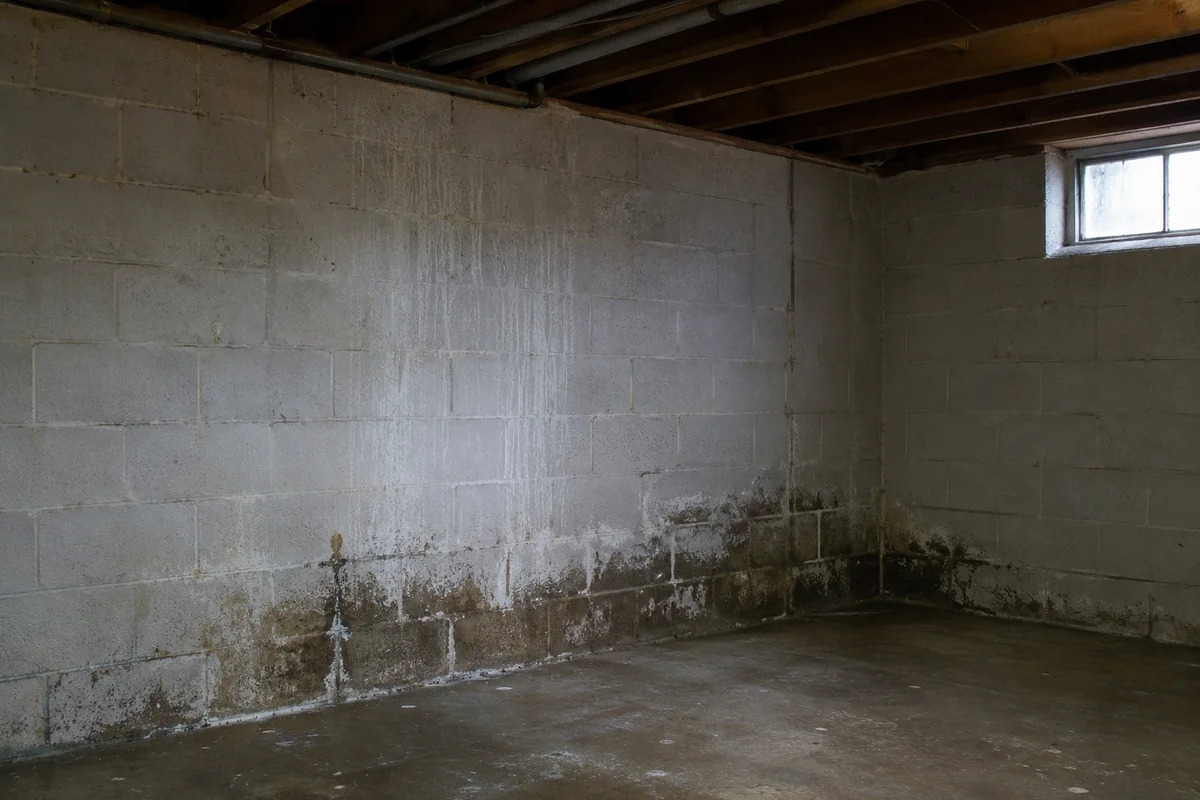
Attic
Roof leaks and poor ventilation.
Read the guide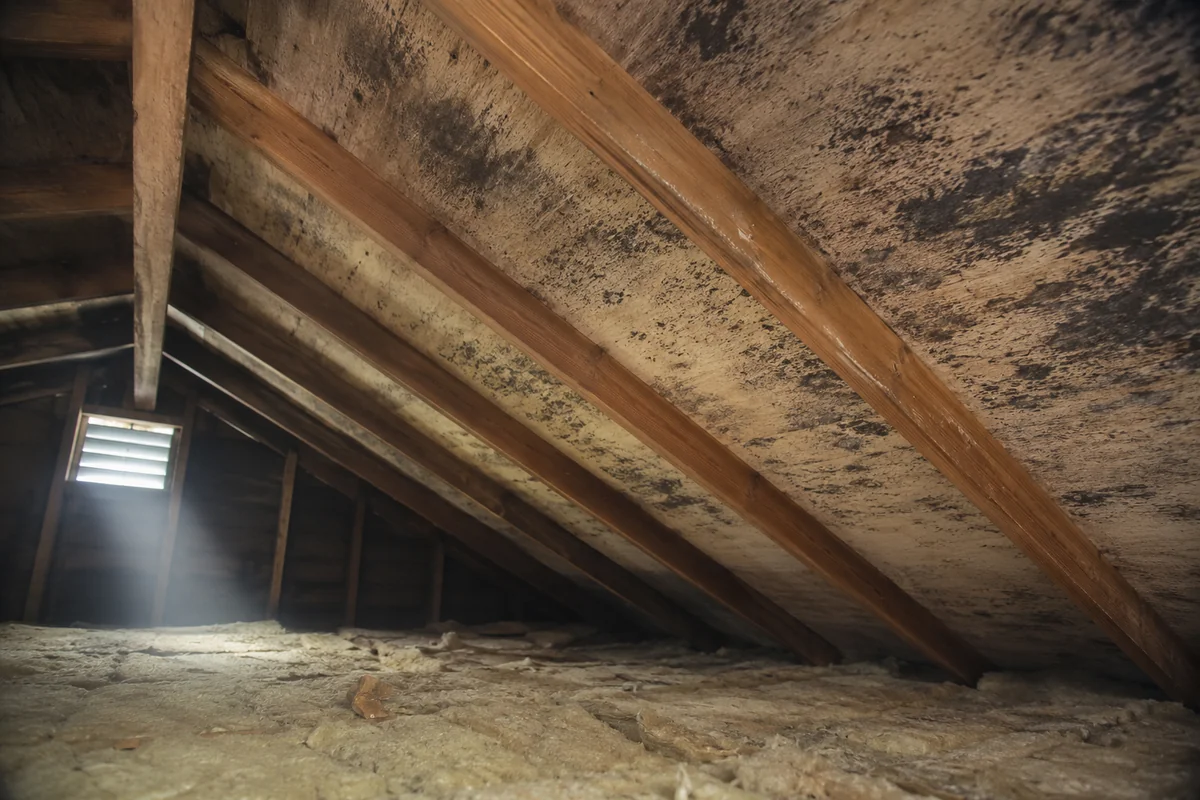
After water damage
The 24 to 48 hour window that decides everything.
Read the guide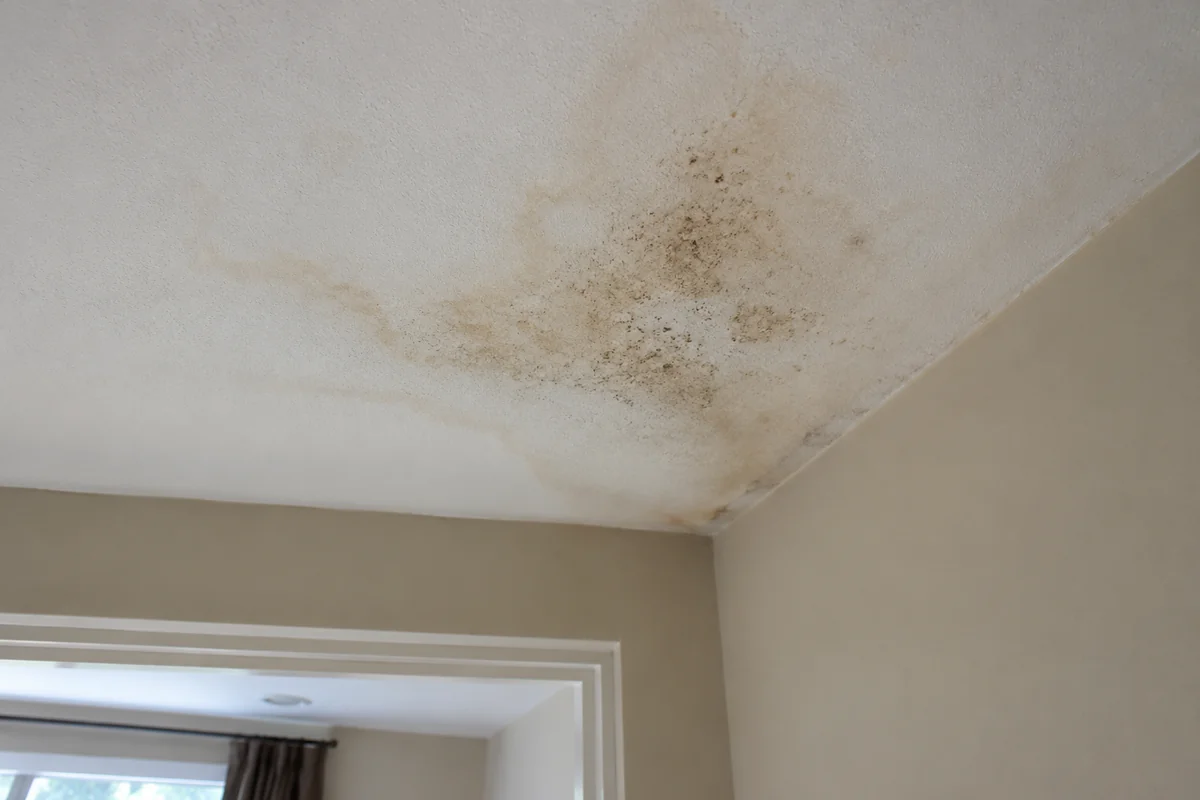
Is black mold dangerous?
A calm, cited look at the real risk.
Read the guide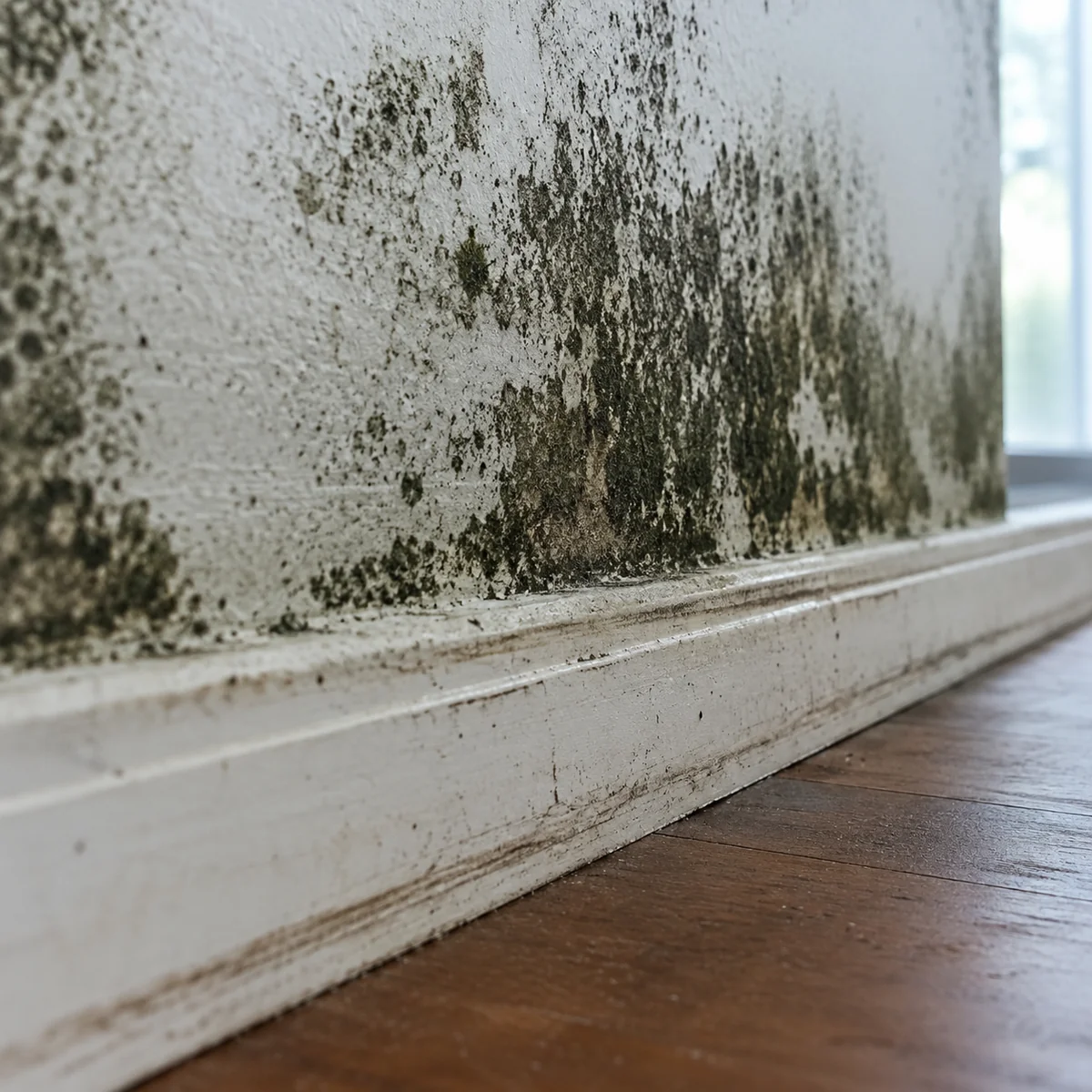
Renter with mold?
Your rights, tools, and how to get it fixed.
Open the renters hub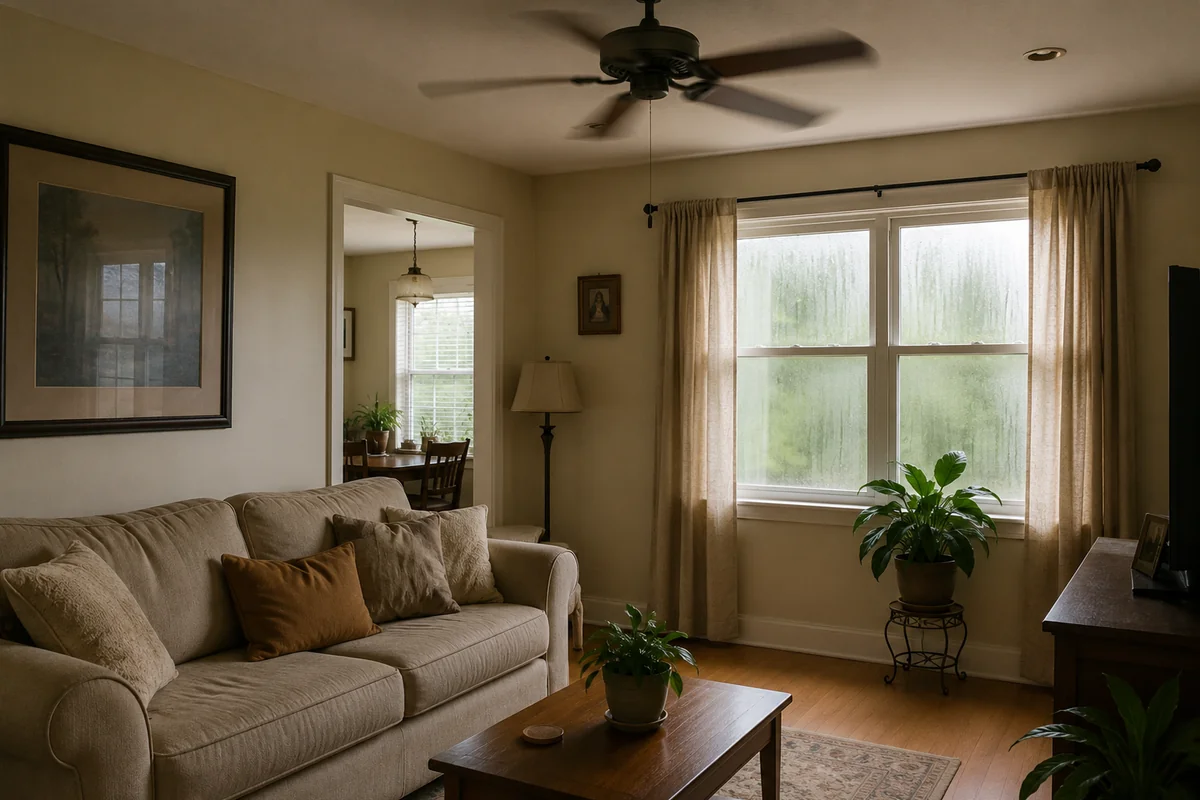
Homeowner questions we hear a lot
Can I just paint over mold?+
No. Paint hides it for a while but the mold keeps growing underneath and the moisture problem remains. Remove the mold and fix the water source first.
Is bleach the right way to clean mold?+
For small areas on hard, non porous surfaces a suitable cleaner works. On porous materials like drywall, bleach does not reach the roots and the material usually has to be removed.
Will mold come back after I clean it?+
Only if the moisture comes back. Mold cannot grow without water, so finding and fixing the source is what keeps it gone.
Not sure how serious it is?
Answer four quick questions and find out whether this is a safe DIY job or time to call a licensed local pro.