
Residential
Mold When Buying or Selling a Home
Mold can complicate a home sale on either side of the table, so it helps to know what disclosure, inspection, and negotiation usually involve before you list or make an offer.
Dealing with mold when buying or selling a home raises questions about honesty, money, and timing all at once. A seller wonders whether to fix it or disclose it, and a buyer wonders whether a spot in the basement is a minor issue or a reason to walk. Rules differ from state to state and situation to situation, so the goal here is a clear general picture, not a ruling on your deal. Before anything else, know that this is general information, not legal advice, and you should check your state rules or a professional about your specific transaction.
General information, not legal advice
Disclosure laws, inspection standards, and contract rights vary by state and change over time. Nothing here is legal advice. Confirm your obligations and options with your state rules, your agent, or a real estate attorney before you act.
Disclosure expectations vary by state
Most states require sellers to disclose known material defects, and mold or a history of water problems can fall into that category. What must be disclosed, and how, differs widely. Some states have specific disclosure forms, others rely on general duties, and the treatment of past, remediated mold is not the same everywhere. The safe posture for a seller is honesty about what you know. Hiding a known problem tends to create far more risk than disclosing it. Confirm your state requirements rather than assuming, because this is one area where local rules genuinely differ.
What a home inspection may and may not find
A standard home inspection is a visual review. An inspector may spot visible mold, water stains, or signs of past moisture, and note conditions that invite it, like poor grading or a damp basement. What a general inspection usually does not do is open walls, test air, or identify the type of growth. So an inspection can flag a concern and can miss mold hidden inside a wall or under a floor. Buyers should treat a clean inspection as reassuring but not absolute, and sellers should not assume a hidden issue will stay hidden. If you are unsure whether a spot even is mold, is this mold? can help you read it.
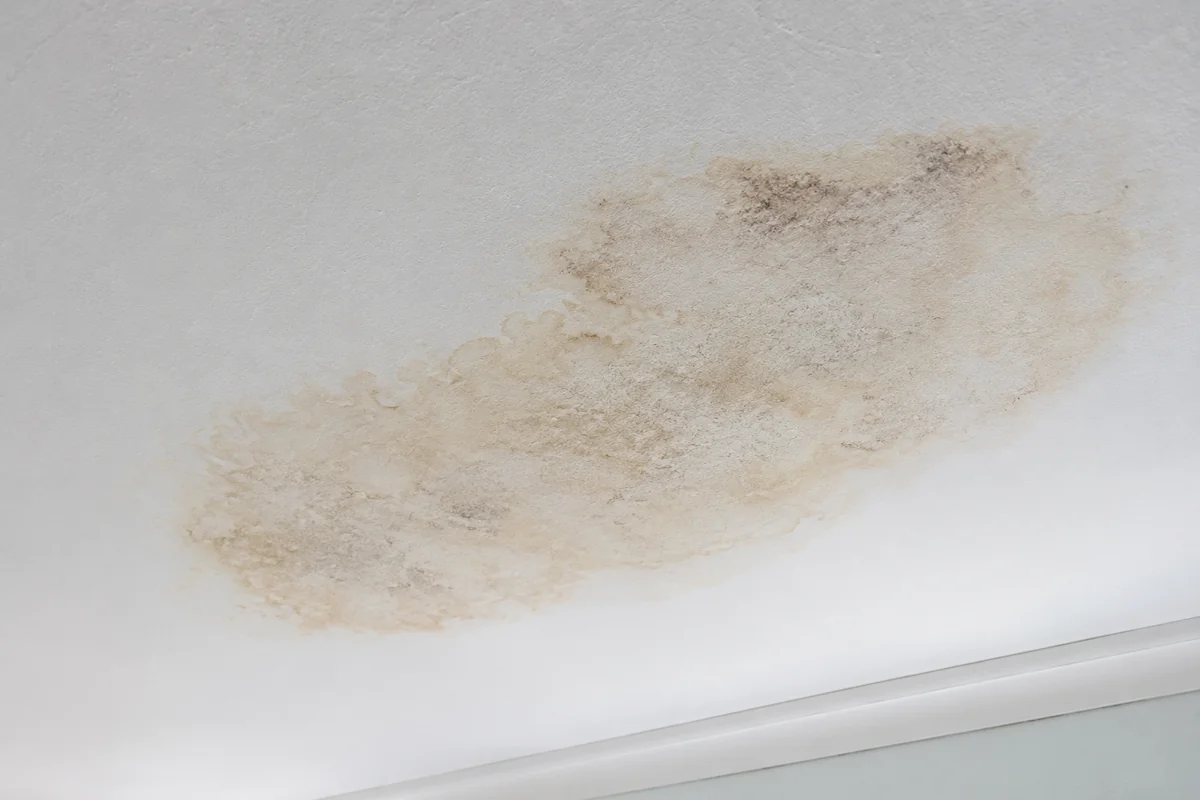
Testing before listing or buying
Testing is optional and situational on both sides. A seller might test before listing to get ahead of surprises, and a buyer might test when an inspection raises a flag or the home has a water history. Testing costs money and does not always change the decision, so weigh it against what you already know. If you can see the growth and its cause, cleanup usually matters more than a lab report. To decide whether it is worth it in your case, read should I test for mold?.
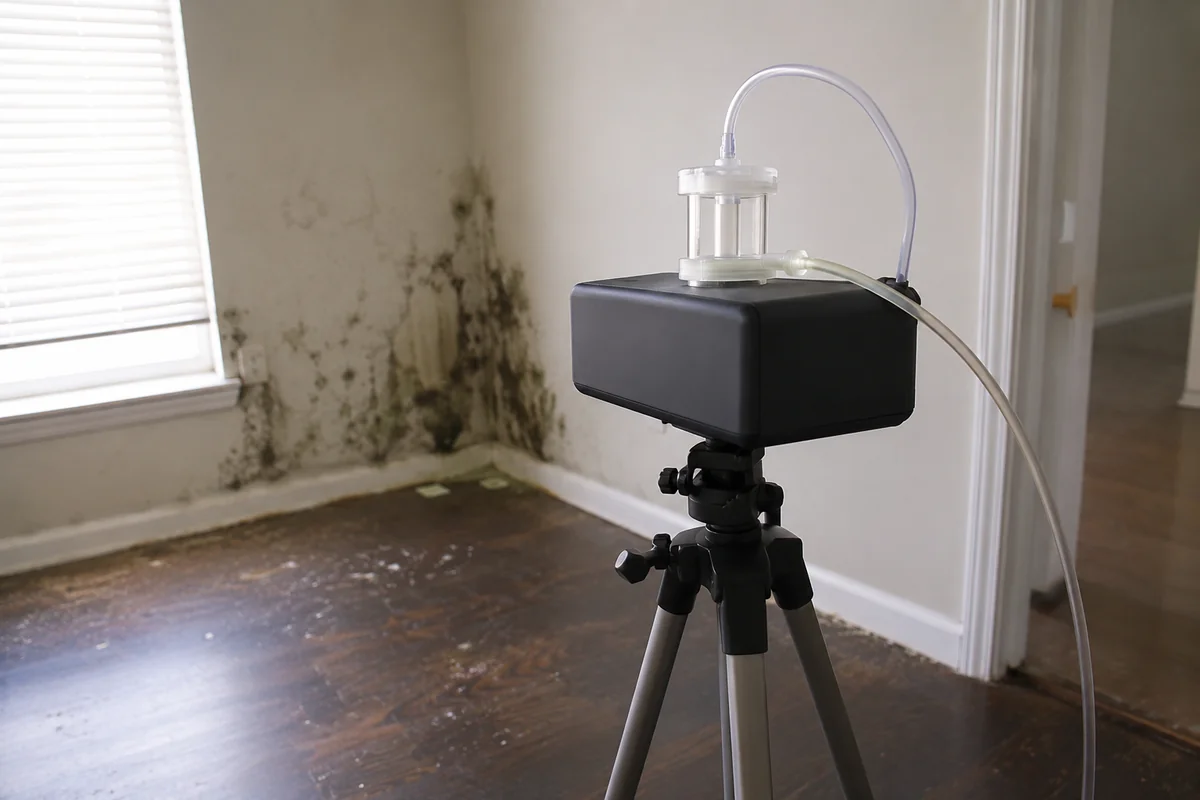
For sellers: remediate before listing or sell as-is
Sellers generally have two paths. You can have the mold professionally addressed and the moisture source fixed before listing, which removes a negotiating point and lets you market a clean home. Or you can sell as-is, disclose the condition, and price accordingly, which shifts the work to the buyer. The right call depends on the size of the problem, your budget, your timeline, and your local market. Whichever you choose, fixing the underlying moisture matters, because cosmetic cleanup without solving the water source tends to invite the problem back.
For buyers: negotiating repairs or credits
When mold turns up during a purchase, it usually becomes a negotiation rather than an automatic dealbreaker. Common outcomes include the seller remediating before closing, a price reduction, or a credit at closing so the buyer can handle it afterward. What is achievable depends on your contract, your contingencies, and the market. The key for a buyer is to understand the scope and the cause before negotiating, so you are bargaining over a known quantity. A mold removal cost estimator can give you a rough sense of scale to anchor the conversation.
Keeping documentation of remediation
Whether you are selling a remediated home or buying one, paperwork carries weight. Keep records of what was found, what was done, who did it, and any post-work verification. For a seller, that documentation supports your disclosure and reassures buyers. For a buyer, it tells you the work was real and the moisture source was addressed rather than painted over. If you need someone qualified to assess or document the work, you can find a licensed local pro to inspect and put findings in writing.
When to bring in a professional
Bring in a qualified assessor when the scope is unclear, when a hidden or gradual source is suspected, or when either party needs an independent, written finding to support the deal. A pro can trace moisture, gauge the extent, and document conditions. That neutral record often smooths a negotiation because both sides are working from facts rather than fear. A pro assesses and documents. The contract terms and disclosure obligations remain yours to confirm with your own advisors.
Frequently asked questions
Can I sell a house with mold?+
In many cases yes, often either by remediating and fixing the source before listing or by disclosing the condition and selling as-is at an adjusted price. Disclosure rules vary by state, and honesty about what you know is generally the safer path. Confirm your obligations with your state rules or a real estate attorney, since this is general information, not legal advice.
The inspection found mold, now what?+
Treat it as a starting point, not a verdict. Understand the extent and the moisture source, decide whether testing adds value, and then negotiate. Common outcomes are seller remediation before closing, a price reduction, or a closing credit. What you can negotiate depends on your contract and contingencies, so talk with your agent.
Do I have to disclose past mold?+
It depends on your state and whether the past mold counts as a known material defect. Some states expect disclosure of remediated problems and water history, others handle it differently. Keeping documentation of the remediation helps in either case. Confirm your specific duty with your state rules or a real estate attorney, because this is general information only.
Is mold a deal breaker?+
Usually not by itself. Most mold situations become a negotiation over who fixes it and at what cost rather than an automatic end to the deal. The size of the problem, whether the moisture source is solved, and the price all factor in. Knowing the scope before you negotiate is the most useful step.
What mold looks like
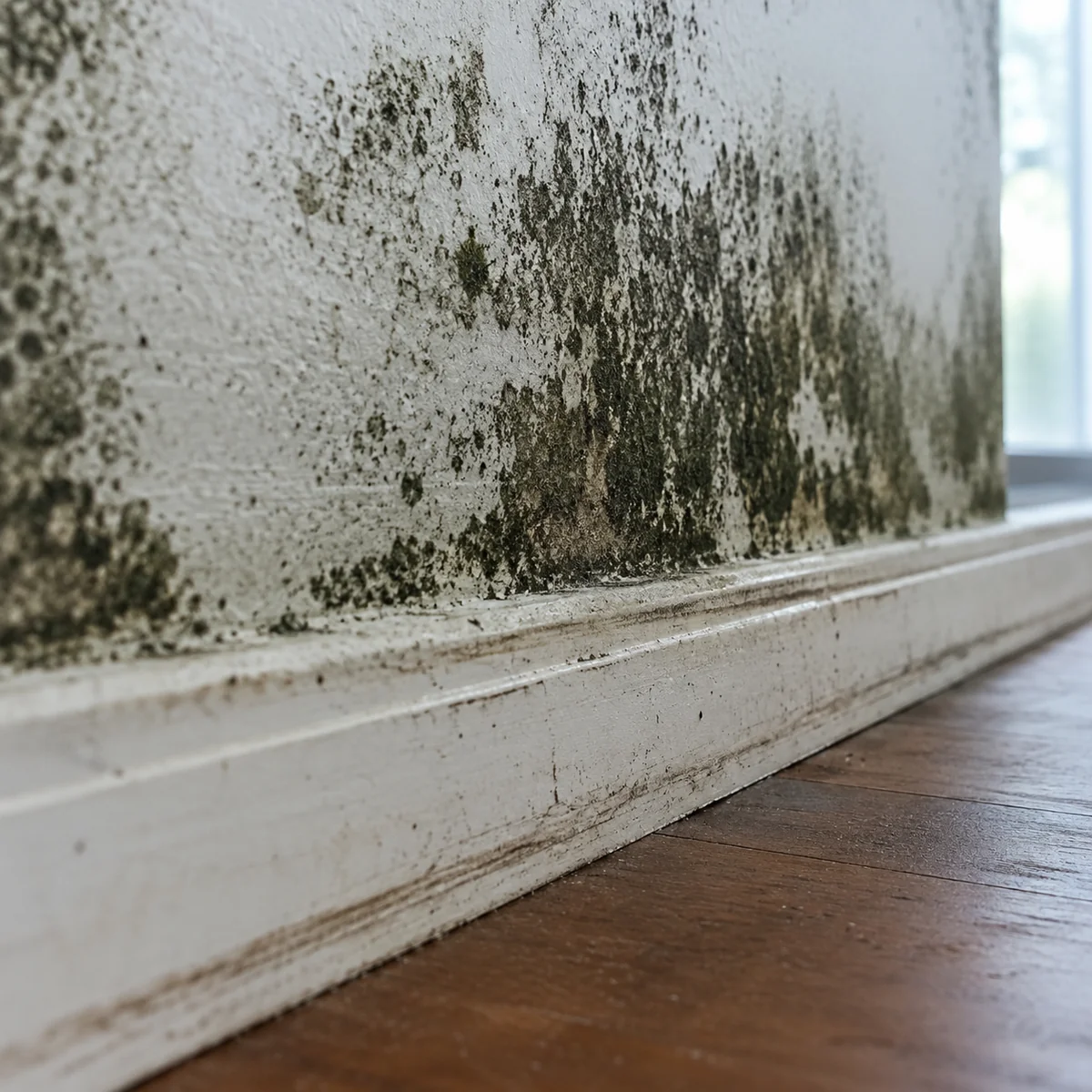
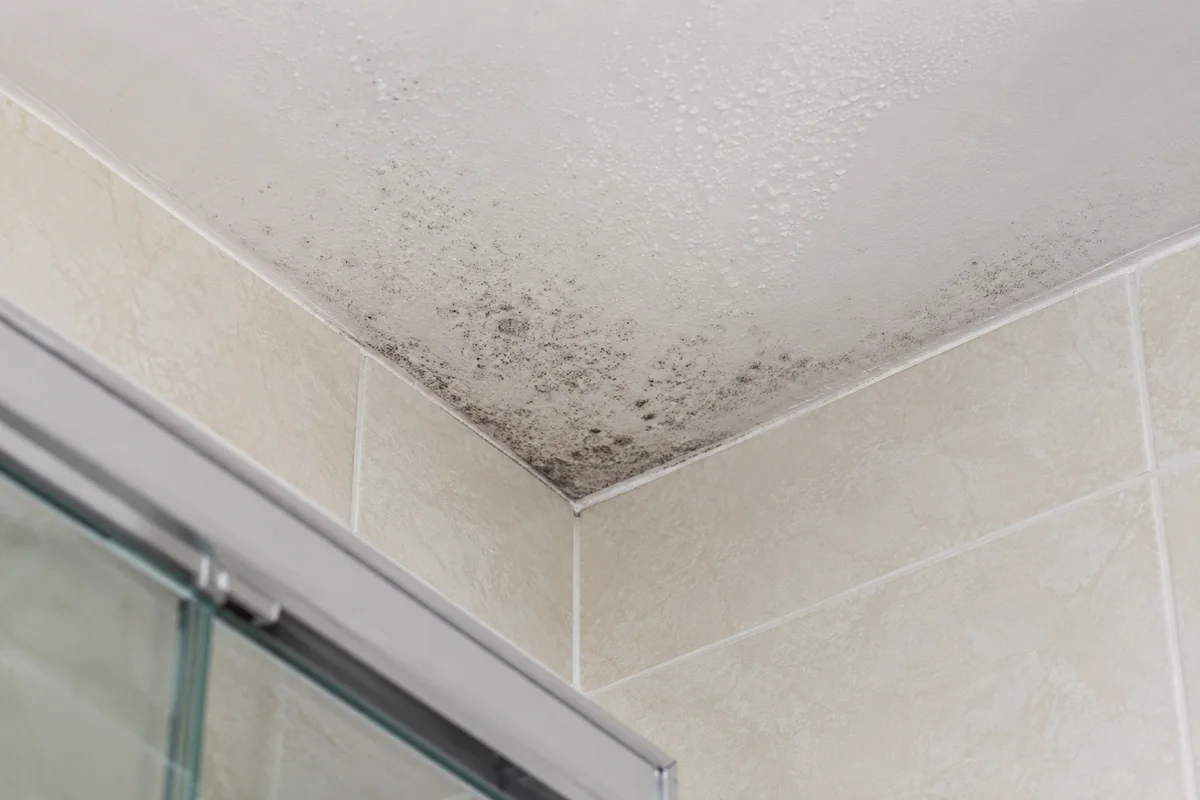
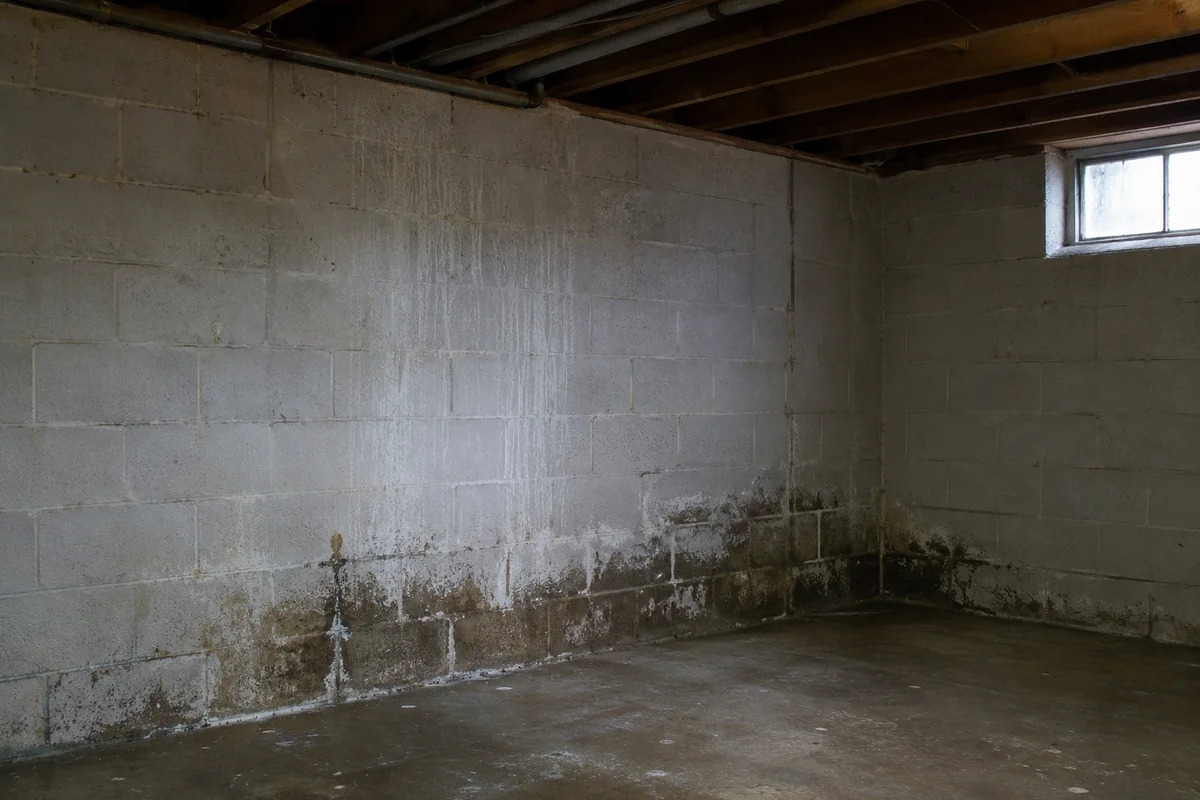
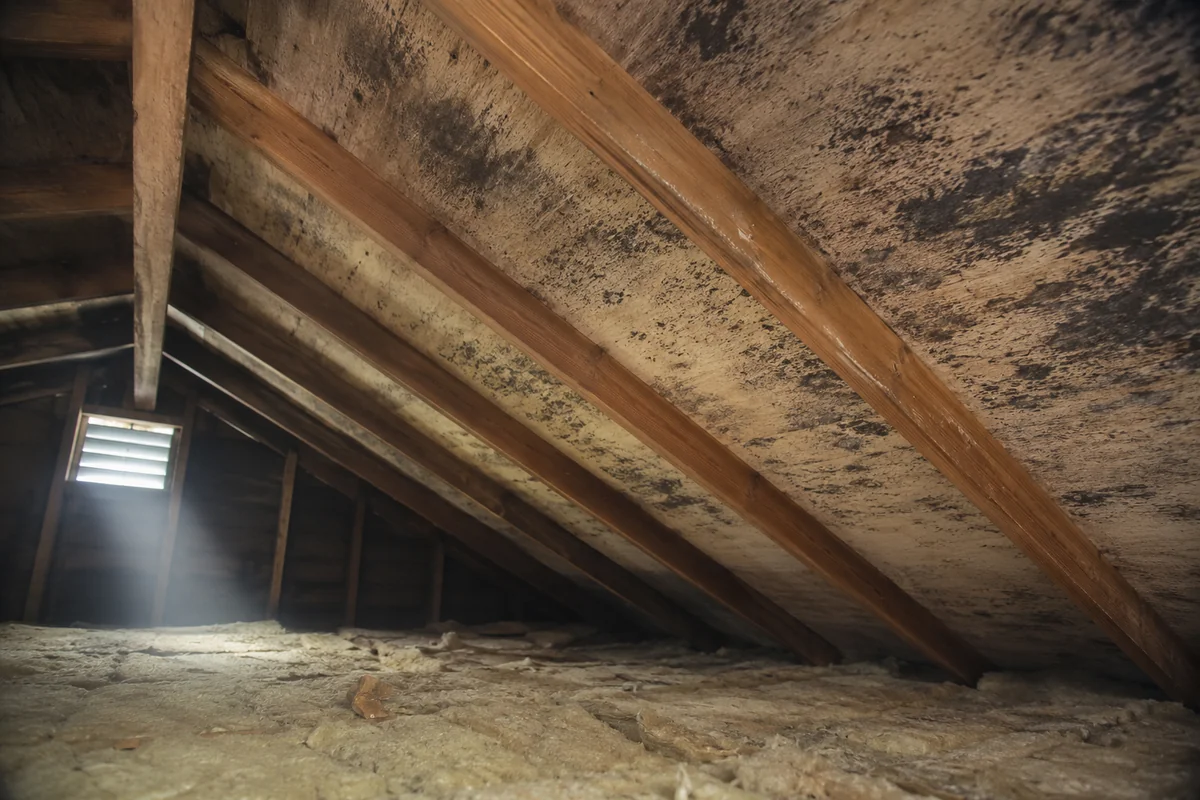
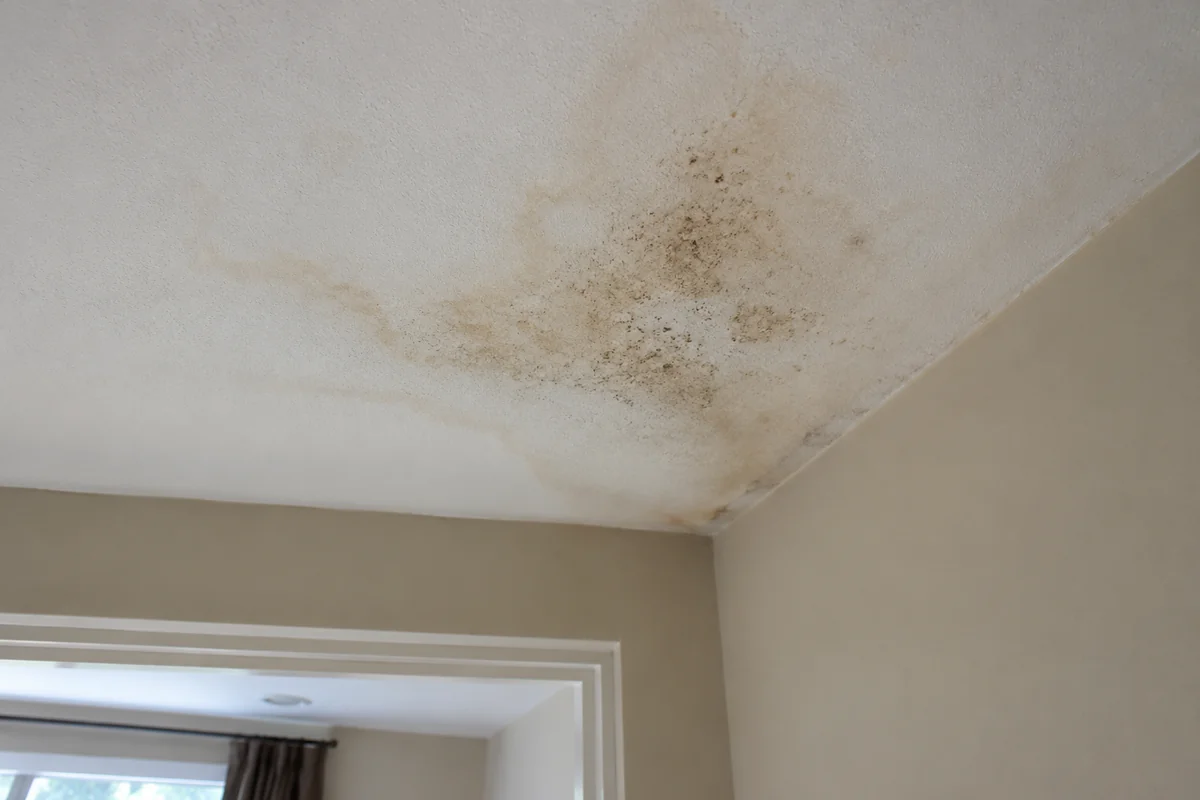
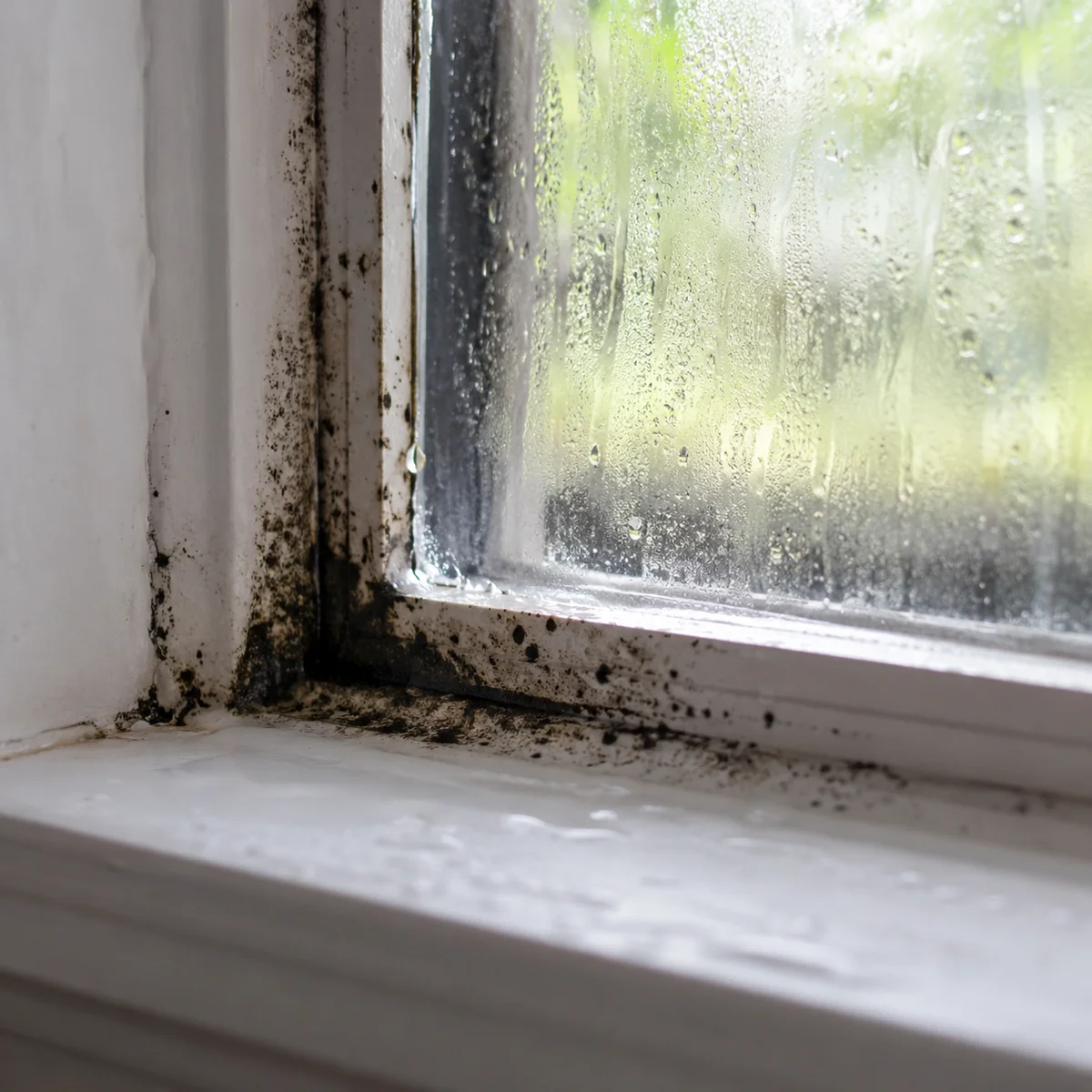
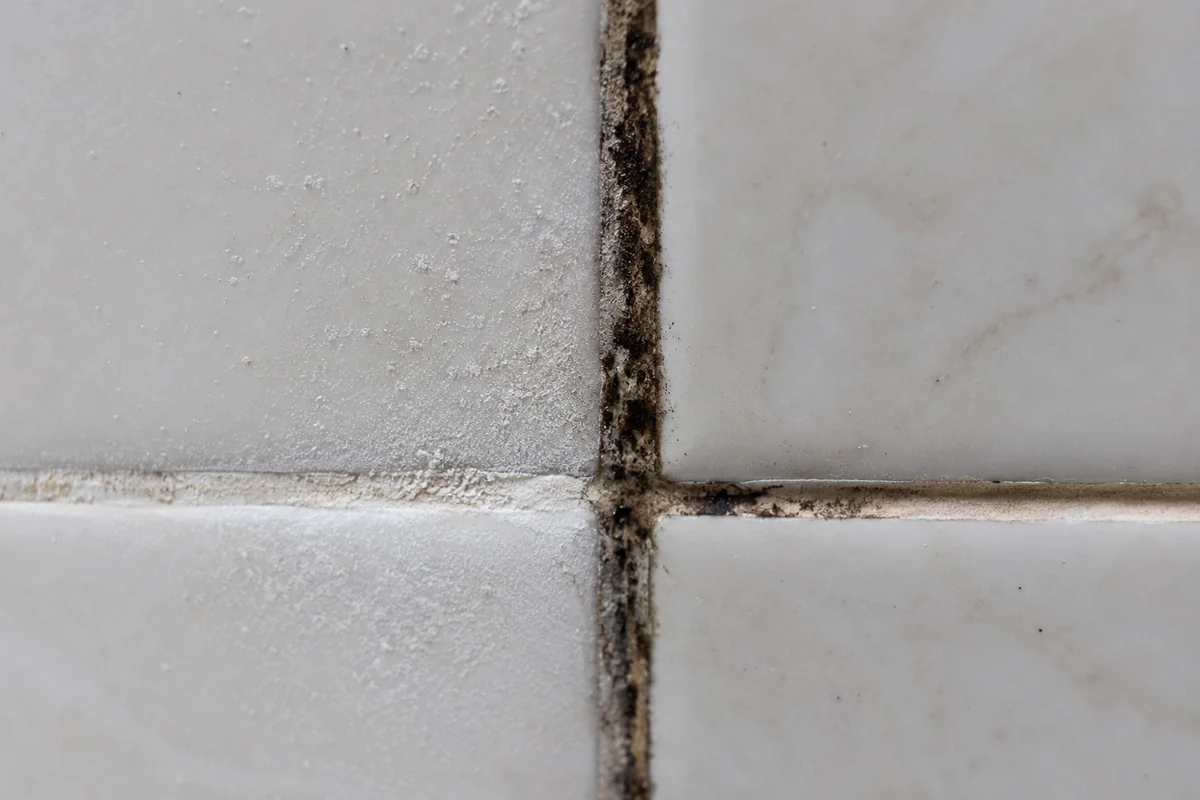
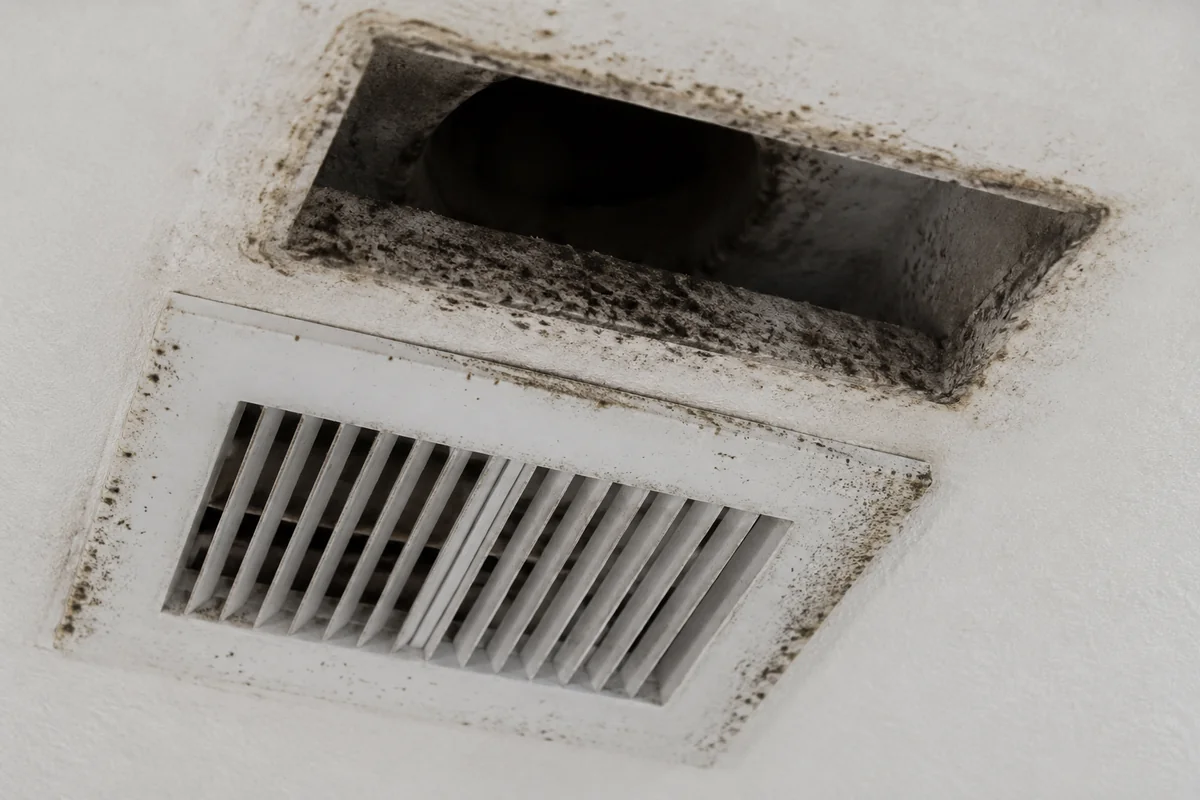
Not sure what you are dealing with?
A quick guided check tells you what you are looking at and the right next step.
Mold rarely has to end a transaction, but it does reward honesty, documentation, and a clear look at scope on both sides of the deal. Sellers do well to disclose and fix the source, buyers do well to understand the problem before negotiating, and everyone benefits from a written professional assessment. Just treat this page as general information rather than legal advice, and lean on your state rules, your agent, or an attorney as you navigate mold when buying or selling a home.
Not sure if it is even mold?
A quick guided check tells you what you are looking at and what to do next.