Commercial
Mold in Restaurants and Retail
A working guide for restaurant and retail operators on where mold hides, what it means for inspections and reputation, and how to respond fast.
Mold in restaurants and retail is a problem that hits food safety, customer trust, and revenue at the same time, which makes it one of the fastest moving issues an operator can face. A back-of-house leak that would be a slow nuisance in an office can put a kitchen out of compliance, draw a health inspector's attention, and turn into a public review before the week is out. For owners and managers, the goal is to understand where moisture builds, catch it early, and bring in help quickly so a small problem does not close the doors.
General guidance, not legal advice
Health codes and inspection rules vary by state, county, and city and change over time. Confirm current requirements with your local health department and your own counsel before making compliance decisions.
Food safety and health-code implications
Food service operates under health codes that expect clean, dry, sanitary conditions in every area that touches food, storage, or dishware. Visible mold, water damaged surfaces, and standing moisture are the kinds of findings inspectors flag, and in some cases they can contribute to a failed inspection or a required correction period. Retail food and grocery settings face similar scrutiny where product is stored or handled. The practical takeaway is that mold is not just cosmetic in these buildings. It can directly affect your ability to operate, so it deserves a response that matches that risk.
Common back-of-house moisture sources
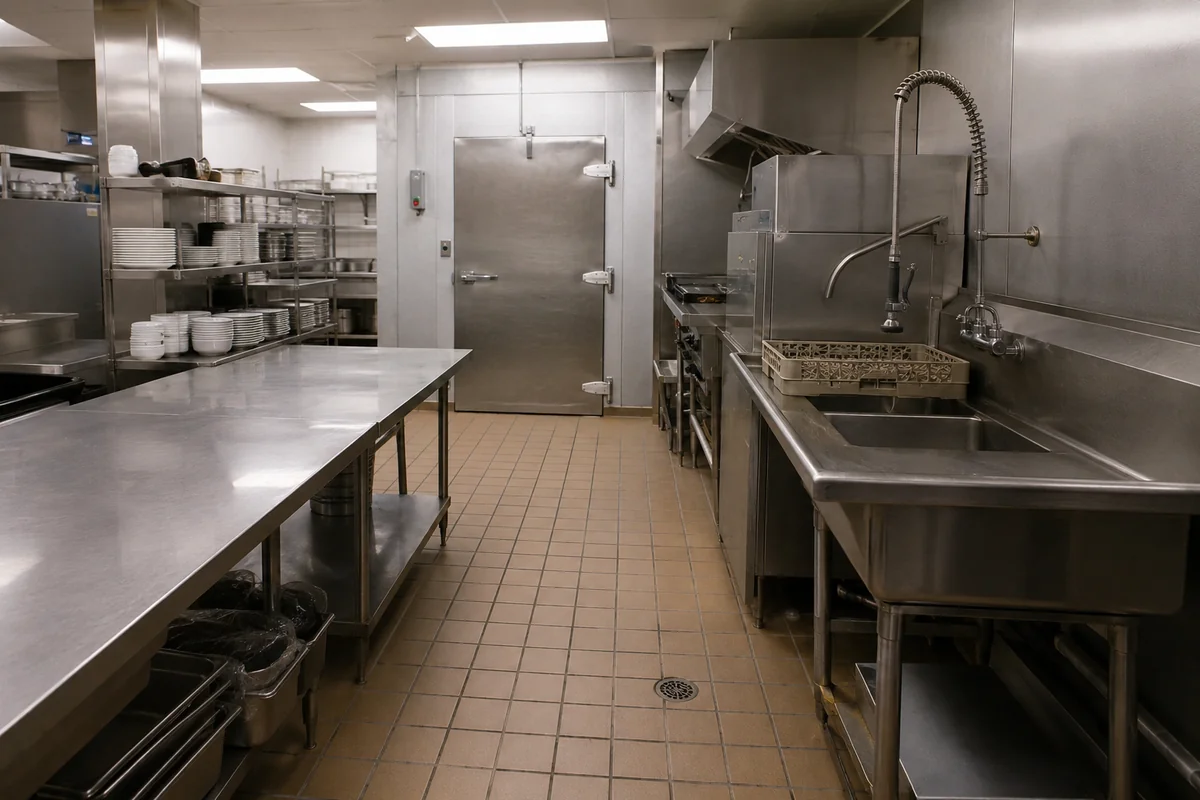
Most restaurant mold traces back to a handful of predictable wet zones. The dish and warewashing area runs constant water and steam. Walk-in coolers create condensation where cold meets warm humid air, especially around door gaskets and ceiling panels. Prep sinks, ice machines, and floor drains keep surfaces damp. On top of that, roof leaks and hidden plumbing leaks feed moisture into walls and ceilings where no one sees it until a stain or a smell appears. Knowing these hot spots lets you inspect them on a schedule instead of waiting for a surprise.
- Dish and warewashing areas with constant steam and splash
- Walk-in cooler ceilings, panels, and door gaskets where condensation forms
- Prep sinks, ice machines, and floor drains that stay damp
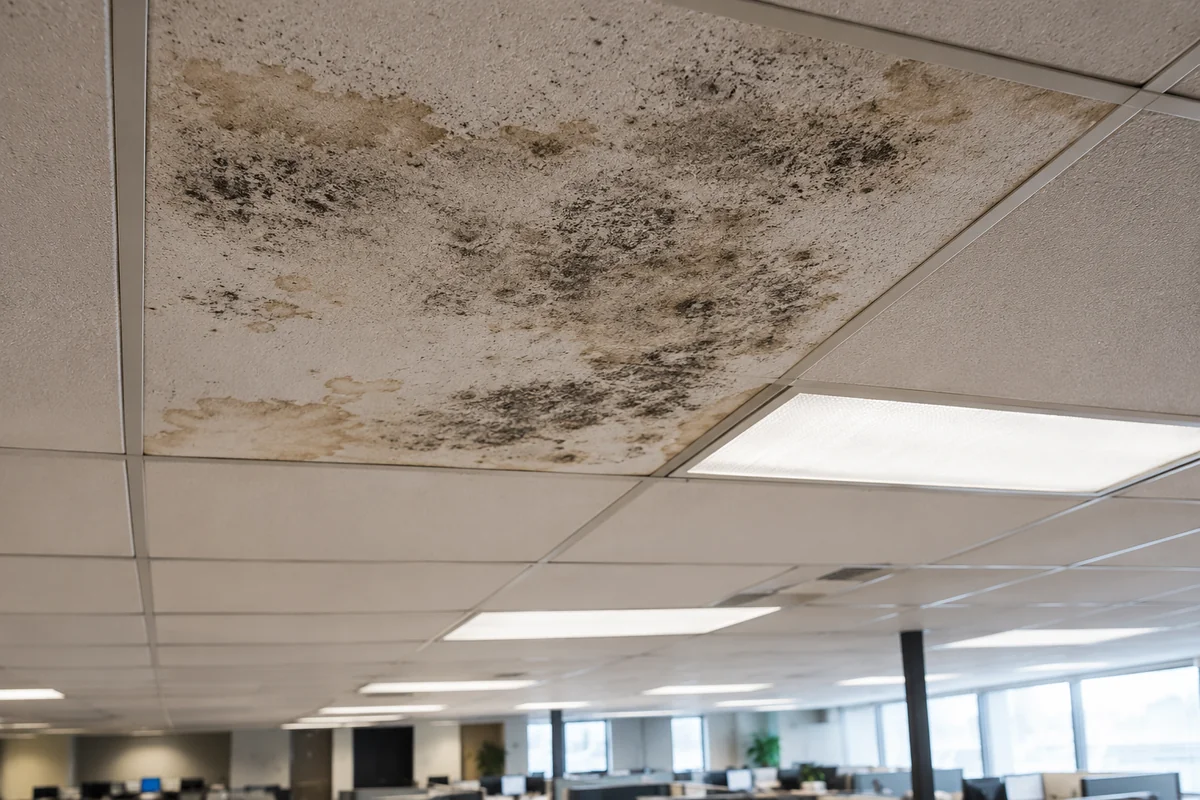
- Roof leaks that soak ceiling tiles and insulation above the line
- Plumbing leaks inside walls behind sinks, dishwashers, and restrooms
- Poorly ventilated storage rooms and dry goods areas with high humidity
Customer and reputation risk
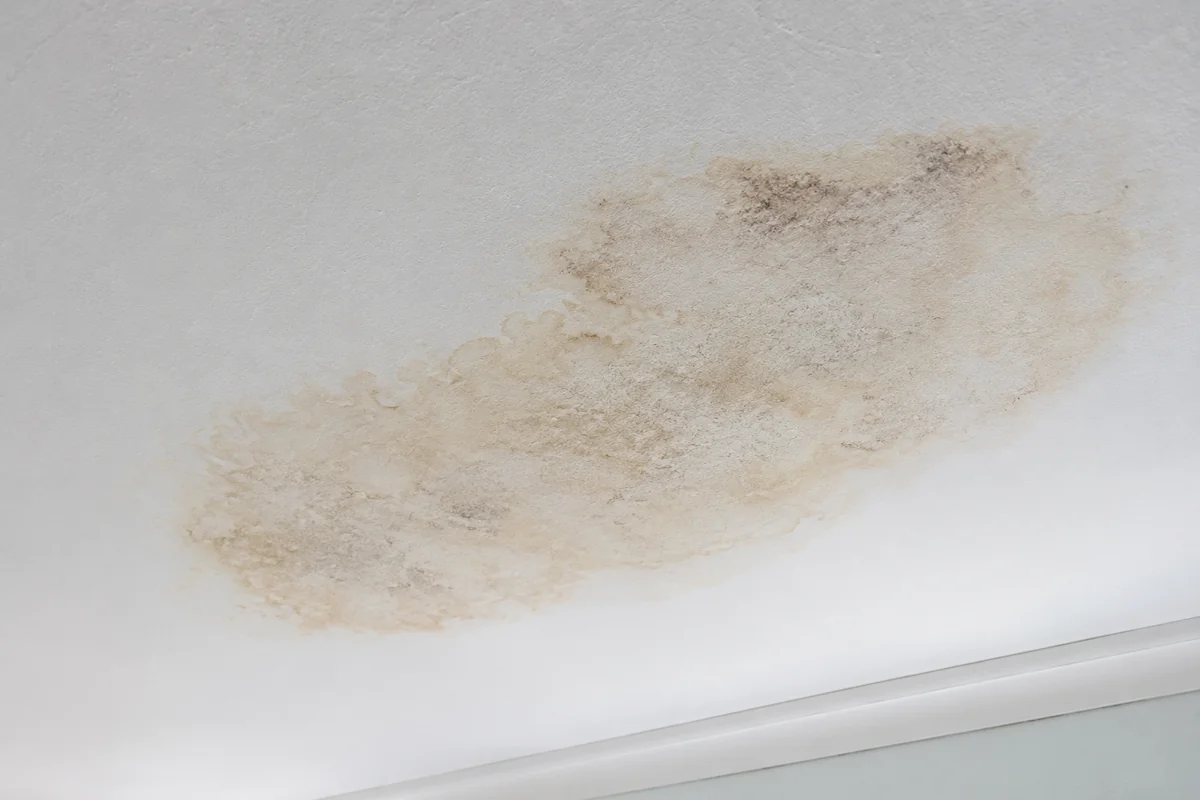
In hospitality and retail, perception moves fast. A musty smell, a stained ceiling tile in the dining room, or a photo of visible growth can end up in an online review or on social media, where it reaches far more people than were ever in the building. Recovering from that is slower and more expensive than the cleanup itself. Handling a problem quietly and correctly, before it becomes something a guest notices, protects the brand you have spent years building.
Business continuity during any closure
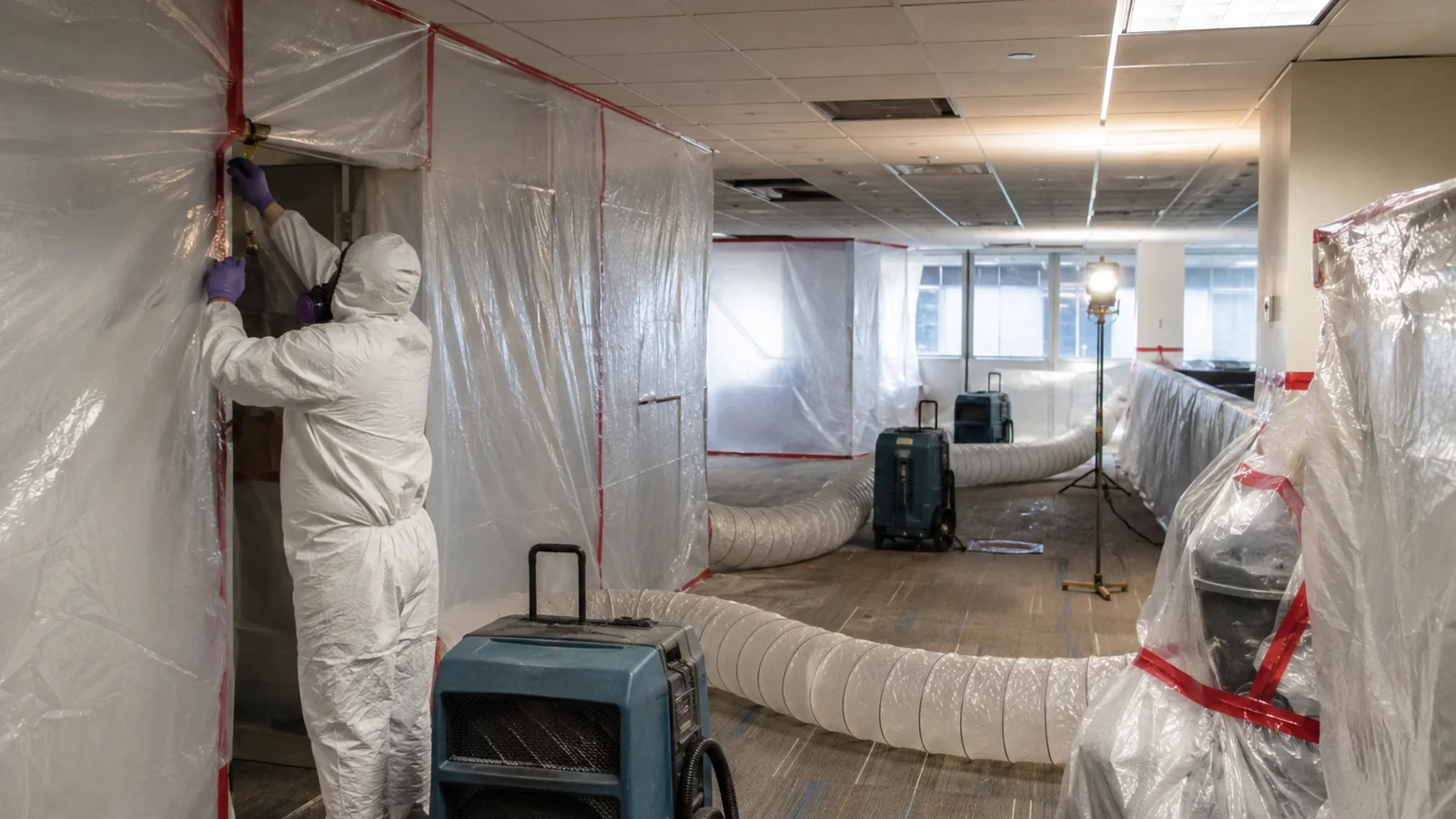
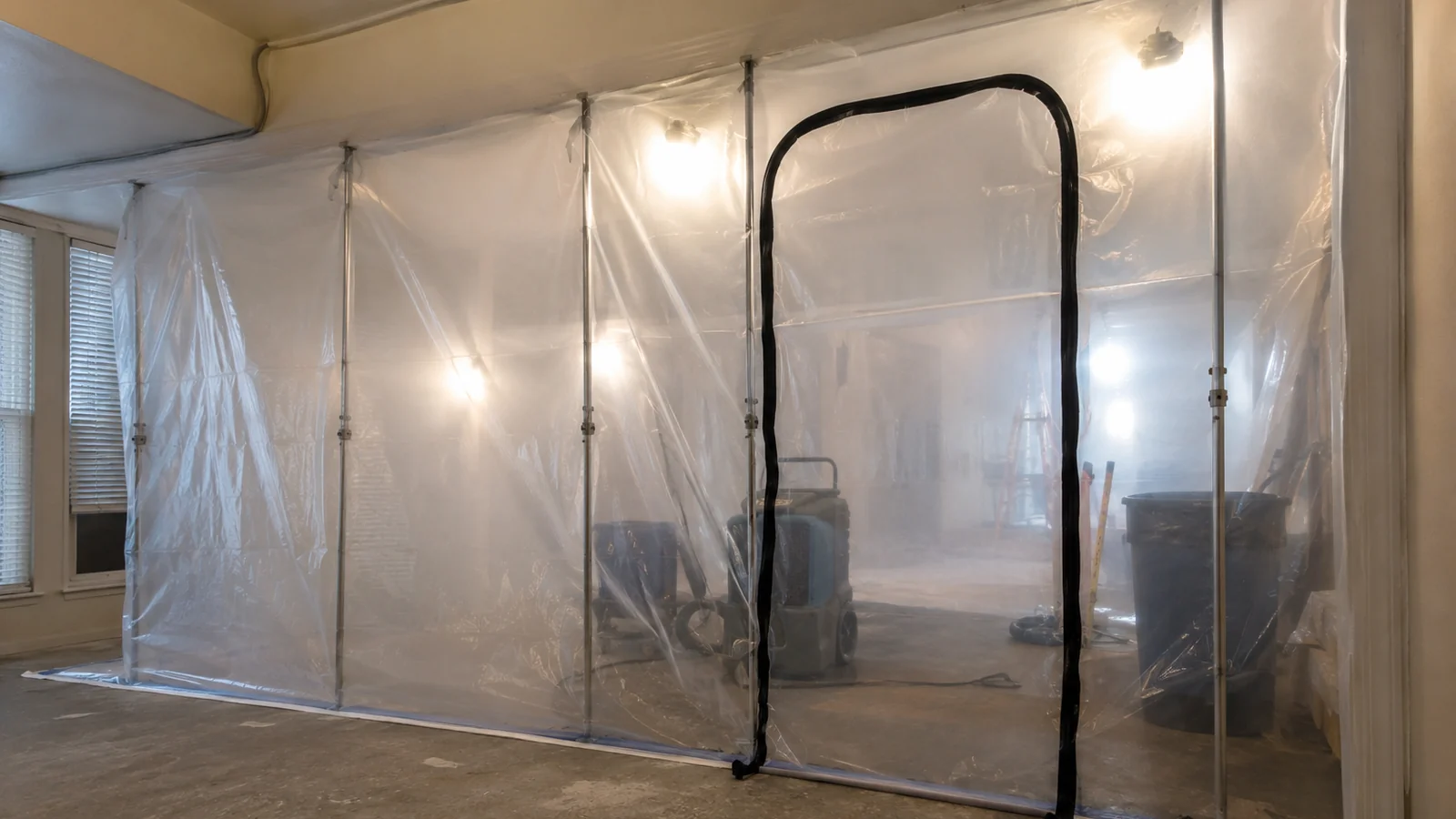
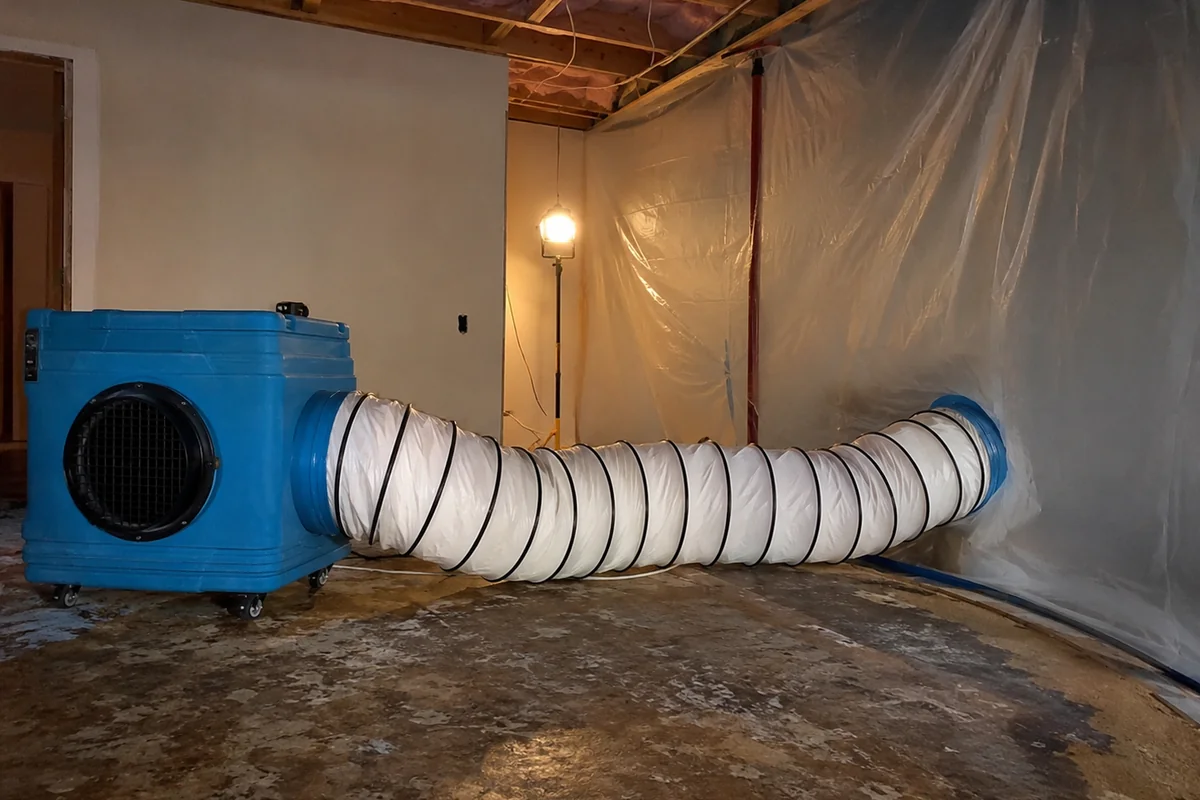
If part of your space has to come offline for remediation, the priority is keeping as much of the operation running as possible. A licensed contractor can often contain and work on one area, such as a back-of-house zone or a section of the dining room, while the rest stays open. Scheduling work during slower periods or overnight, staging in phases, and coordinating with your team all reduce lost revenue. The right plan treats your operating hours as a constraint to design around rather than an afterthought.
- 1 Stop the water source and isolate the wet area from food and customers
- 2 Photograph and document the damage for your records and insurer
- 3 Bring in a licensed remediation contractor to assess the extent
- 4 Contain and remediate the affected zone while the rest stays open where possible
- 5 Verify the area is clean and dry before returning it to service
- 6 Fix the underlying leak or humidity issue so it does not return
Insurance and documentation
Commercial property policies treat mold in specific ways, and coverage often depends on the source of the water and how quickly you acted. Sudden events like a burst pipe are generally viewed differently than long term seepage or deferred maintenance. Document everything from the first discovery, keep your maintenance and repair records, and report promptly. For a fuller look at how coverage tends to work, see our overview of commercial mold insurance, and confirm the specifics of your own policy with your carrier or broker.
Calling a licensed pro fast
Speed matters in a food business because moisture and mold only spread with time, and every day of delay raises the compliance and reputation risk. This resource does not perform remediation or hold any licenses. It connects operators to the licensed pros in our network, including IICRC trained remediation contractors who understand food service and retail environments. When something turns up, you can find a licensed local pro or review our approach to commercial mold remediation to plan your next step.
Frequently asked questions
Will mold cause us to fail a health inspection?+
It can. Visible mold, water damage, and standing moisture in food areas are the kinds of conditions inspectors flag, and depending on severity and location they may contribute to a failed inspection or a required correction period. Rules vary by jurisdiction, so confirm the specifics with your local health department. The safer approach is to address any moisture or growth before an inspection, not after.
Do we have to close the kitchen to remediate?+
Not always. A licensed contractor can often contain and work on the affected zone while the rest of the operation keeps running, especially with off hours or phased scheduling. Whether the kitchen itself must come offline depends on where the problem is and how extensive it is. The contractor will scope that with you so you can plan around your service hours.
What does commercial mold remediation cost for a restaurant or store?+
It depends on the size of the affected area, what materials are involved, and how much the source repair costs. A small contained spot is far cheaper than widespread damage behind walls or above ceilings. Rather than guess, you can get a sense of the range with our [commercial mold cost estimator](/commercial/mold-remediation-cost-estimator/) and then get a firm scope from a licensed contractor.
How do we prevent mold in a restaurant or retail space?+
Control moisture at the usual sources. Keep dish areas and walk-ins ventilated and their gaskets sealed, fix leaks quickly, service the roof and plumbing, run exhaust and dehumidification where humidity builds, and inspect the known wet zones on a schedule. Most mold problems are moisture problems first, so managing water is the core of prevention.
Commercial mold, in the field
Mold in a building you manage?
Follow a documented response that protects you from the first complaint through clearance testing.
A wet spot in a busy kitchen or stockroom will not wait, and the operators who come through it best are the ones who catch it early and bring in the right help quickly. When you need trained eyes on the problem, our network can connect you to licensed remediation contractors who handle mold in restaurants and retail every day.
A tenant reported mold?
Follow a documented response that protects you, step by step.