Residential
Mold in the Attic: Roof Leaks, Ventilation, and Fixes
Attic mold almost always means a roof leak or trapped humid air. Fix the airflow and the water, and it stops.
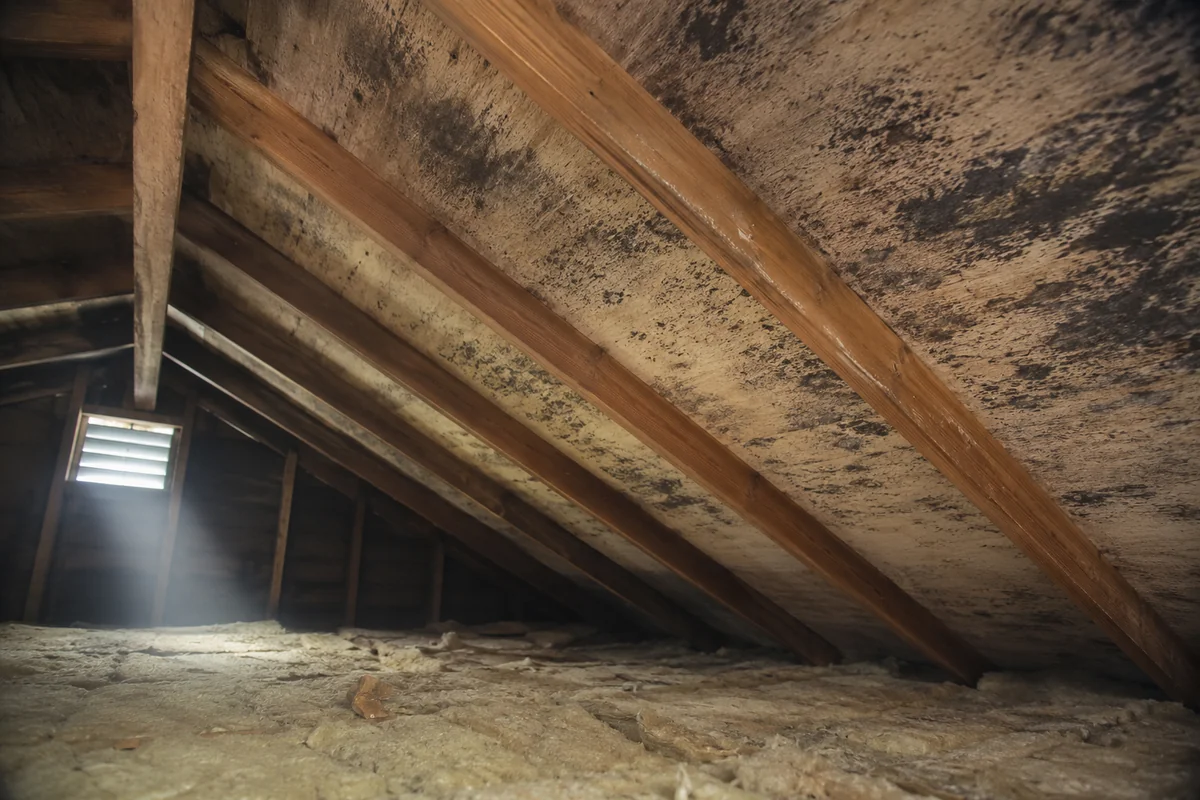
Mold in the attic is one of those problems most people never see until a roofer, a home inspector, or a buyer's report points a flashlight at the underside of the roof. By then it is often well established across the sheathing and rafters. The good news is that attic mold is almost always a moisture and airflow problem in disguise, and once you understand why it grows up there, the path to dealing with it and keeping it away becomes clear.
Why attics grow mold in the first place
An attic is a hard place to keep dry. It sits directly under the roof, it swings through big temperature changes, and it collects warm, moist air rising from the living space below. When that damp air meets a cold roof deck in winter, it condenses into water on the wood, and wood that stays damp is exactly what mold needs to take hold. Unlike a bathroom or a kitchen, no one is up there day to day to notice the early signs, so growth can spread quietly for months or even years.
There is rarely a single villain. Most attic mold comes from a combination of water finding its way in and humid air being unable to get out. The list below covers the causes that show up again and again, and it is worth reading through all of them, because fixing one while ignoring another is how the problem comes back.
- Roof leaks. A cracked shingle, failed flashing around a chimney or vent pipe, or a nail hole lets rainwater drip onto the sheathing. Even a slow leak keeps the wood damp enough to grow mold, often in a telltale patch right under the entry point.
- Poor attic ventilation. A healthy attic breathes, drawing cool air in at the soffits and pushing warm, moist air out at the ridge. When soffit vents are painted over, stuffed with insulation, or simply absent, humid air stagnates and condenses on the underside of the roof.
- Bathroom or kitchen exhaust fans venting into the attic. This is one of the most common causes and one of the most preventable. A fan that dumps warm, steamy air into the attic instead of routing it outside is effectively piping a moisture source straight to the coldest surface in the house.
- Missing or uneven insulation. Gaps in insulation let heat from the living space rise into the attic and warm the underside of the roof unevenly, creating cold spots where condensation forms. Missing insulation also lets more household humidity escape upward.
- Ice dams. In cold climates, heat escaping into the attic melts snow on the roof, which refreezes at the cold eaves and forms a ridge of ice. Water pools behind that ridge and works its way under the shingles and onto the sheathing, feeding mold along the edges of the roof.
Notice how many of these trace back to the same root: warm, humid indoor air reaching a cold roof deck, or plain water getting past the roof covering. Air sealing, ventilation, and a sound roof are the three levers, and most cases involve more than one of them.
The pattern to remember
Attic mold is almost never a mystery. It is water coming in through the roof, or humid air that cannot get out, meeting cold wood. Find which of those is happening before you clean anything, because cleaning without fixing the moisture just resets the clock.
Signs of mold on sheathing and rafters
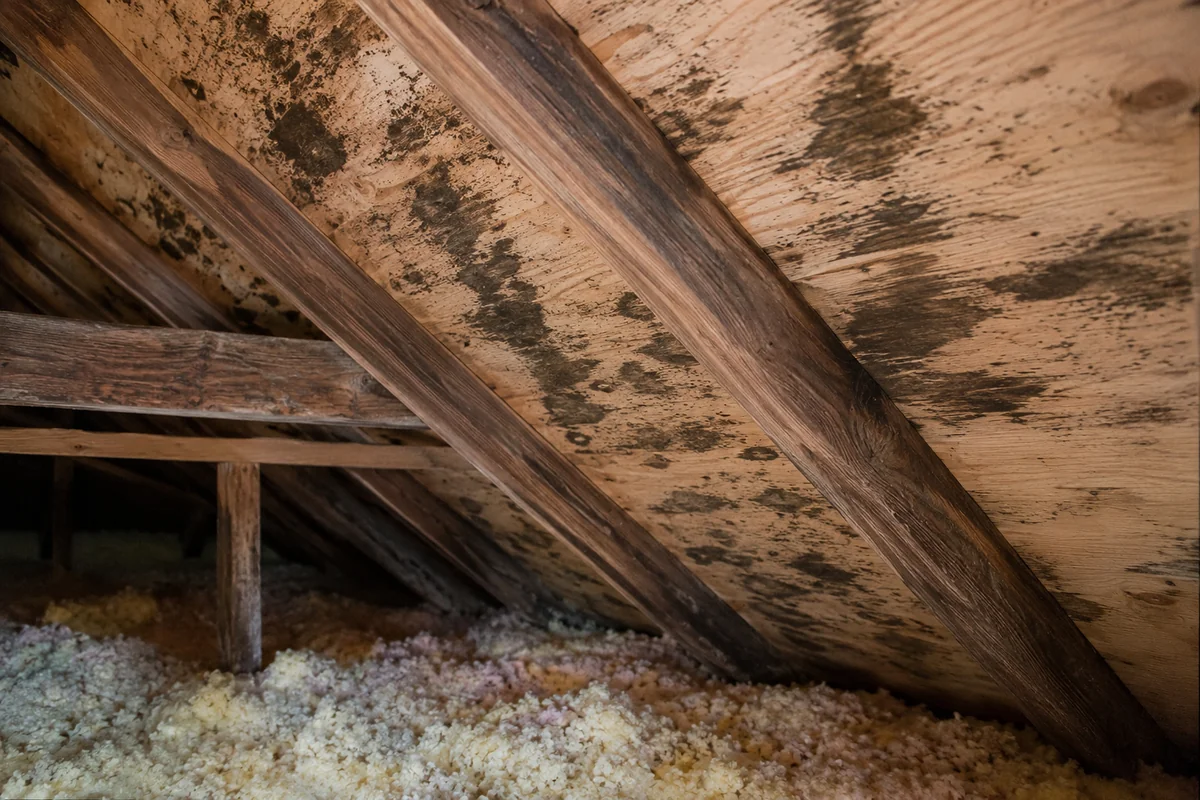
Because no one lives in the attic, the signs tend to be visual rather than something you smell from the hallway. When you do get up there, or when an inspector's photos come back, here is what mold on the roof structure usually looks like.
- Dark staining on the plywood or OSB sheathing between the rafters, often in patches or streaks rather than an even wash.
- Black, gray, or greenish growth on the sides of the rafters and roof trusses, sometimes with a slightly fuzzy or speckled texture.
- Discoloration concentrated near the eaves, at the ridge, or around a roof penetration like a plumbing vent or chimney, which points to where the moisture is.
- Frost or beads of water on the underside of the roof in cold weather, a sign of condensation that will grow mold once temperatures rise.
- A musty smell that follows the air down through the attic hatch, especially noticeable on humid days.
Not every dark mark on old sheathing is active mold. Some staining is old water damage that has long since dried, and some dark wood is just age. If you are not sure whether what you are seeing is live growth, the is this mold check walks you through the signs in a few taps and helps you tell the difference before you spend money on it.
Why it turns up during a roof or sale inspection
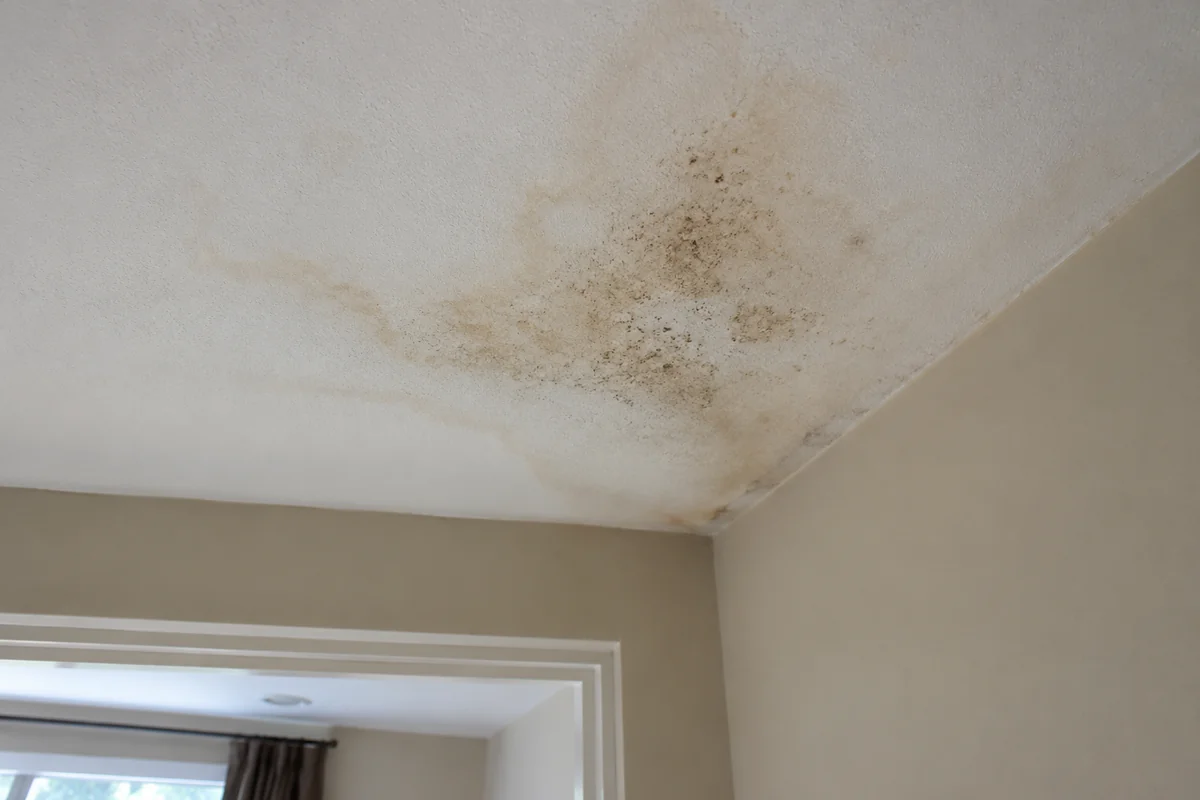
Most homeowners first hear about attic mold from someone else. A roofer up there for an estimate glances at the sheathing, or a home inspector during a sale opens the attic hatch as a matter of routine. Because the attic is out of sight, it is one of the few areas where a professional is far more likely than the owner to notice a problem, and a real estate transaction is when that hidden space finally gets examined closely.
This is why attic mold so often lands in the middle of a home sale, either as a surprise on the buyer's inspection report or as something a seller discovers while preparing to list. It can stall a deal, trigger a price negotiation, or lead to a demand for cleanup before closing. If you are buying or selling and mold has come up, the guide on mold when buying or selling a home covers how it typically affects the transaction and what a reasonable resolution looks like for both sides.
The upside of being found during an inspection is that you usually learn about it before it has caused structural harm. Attic mold on the surface of the sheathing is common and, caught reasonably early, is a manageable moisture problem rather than a sign the roof is failing.
How serious is attic mold, really?
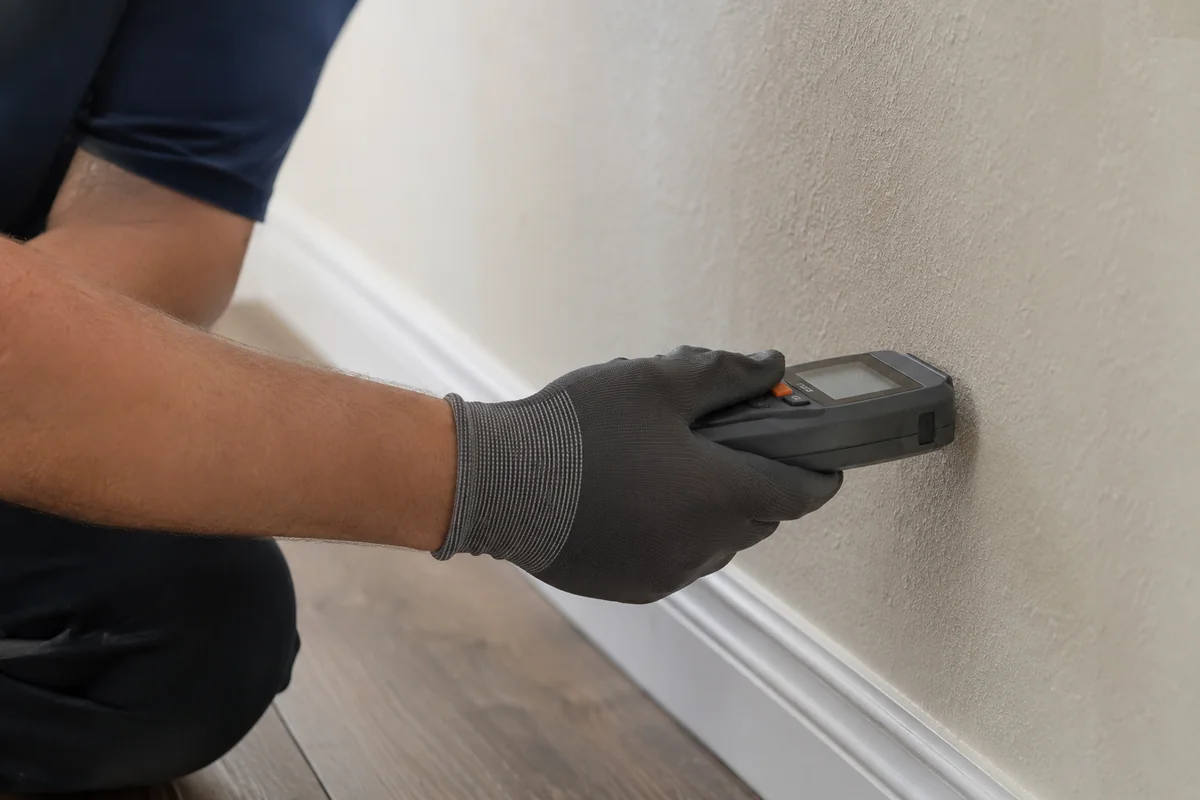
It is easy to panic when an inspection report uses the word mold, so it helps to keep the risk in proportion. Attic mold is a real problem worth addressing, but for most homes it is not the emergency the internet makes it out to be. The wood it grows on is structural, and surface mold on sheathing rarely threatens that structure unless the underlying leak has been soaking the framing for a long time.
From a health standpoint, an attic is somewhat separated from the air you breathe day to day, and in a well-sealed home relatively little attic air reaches the living space. That said, gaps around the attic hatch, ceiling light fixtures, and ductwork can let spores drift down, and warm attic air naturally rises and pulls replacement air up from below through those same gaps. Anyone in the home who is sensitive to mold has a good reason to take it seriously. The general picture on health effects, which apply to attic growth as much as anywhere, is covered in the guide on whether black mold is dangerous.
What you can handle yourself and where DIY ends
A small, contained patch of surface mold on attic sheathing, caught early and tied to a moisture source you can clearly identify and fix, is sometimes within reach of a careful homeowner. On a hard wood surface, mold can be scrubbed off with detergent and water or a product labeled for mold, then left to dry fully once the moisture source is corrected.
The catch is that attics make do-it-yourself work genuinely difficult and, in some spots, unsafe. The space is cramped, hot, and poorly lit, you are often balancing on ceiling joists over insulation with nothing but drywall below, and disturbing dry mold sends spores into the air in a confined space with little ventilation. These are the situations where the job has moved out of DIY territory:
- The growth covers more than a small, easily reached area, roughly larger than 10 square feet.
- It has spread across the sheathing between multiple rafter bays or up toward the ridge.
- The mold keeps returning after you clean it, which means the moisture source is still active.
- There is a persistent roof leak you cannot locate or repair yourself.
- Someone in the home has asthma, allergies, a weakened immune system, or another reason to be extra careful about spores.
- You would have to disturb a lot of insulation or work in a space that is unsafe to move around in.
If you are on the fence, the do I need a pro check asks a few plain questions and gives you an honest read on which side of the line your situation falls. When the answer points to bringing someone in, the guide to finding a licensed pro explains what to look for first.
How a licensed pro handles attic mold
When an attic job is too large, too spread out, or too awkward for a safe do-it-yourself clean, a licensed remediation contractor follows a process built to keep spores from spreading and to correct the cause, not just the symptom. Knowing the basic steps helps you recognize solid work and ask the right questions.
- 1 Identify and correct the moisture source first, whether that is a roof or flashing leak, a fan venting into the attic, or a ventilation and insulation problem. This is the step that actually stops the mold from coming back.
- 2 Contain the work area and set up controls so spores do not drift down into the living space during removal, including sealing the attic hatch and running HEPA-filtered air scrubbers.
- 3 Remove or clean the affected materials. Surface mold on structural wood is often cleaned in place or treated, while contaminated insulation is usually bagged and removed rather than salvaged.
- 4 Address the ventilation and air sealing so the attic can stay dry going forward, which is as much a part of the fix as the cleaning itself.
- 5 Confirm the space is dry and, on larger jobs, use independent testing to verify the work before the attic is closed back up.
One point worth stressing: the site connects you with licensed local pros who carry out this work. It does not perform remediation or hold abatement licenses itself. A good contractor will treat the roof leak or ventilation fault as central to the job, not an afterthought, because a remediation that ignores the moisture source is one you will be paying for again.
Don't forget the ductwork and HVAC in the attic
In many homes, air handlers and ductwork run through the attic, and that changes the calculation. A duct that sweats with condensation, or an air handler sitting in a humid attic, can grow mold and then push spores throughout the whole house every time the system runs. Attic mold near the mechanical equipment deserves a closer look for exactly this reason, because it is no longer confined to a space you rarely enter.
If your attic holds part of the heating and cooling system and you suspect mold has reached it, the guide on mold in HVAC and air ducts covers the signs, the risks, and why this is one area where getting a professional assessment early tends to pay off.
Preventing attic mold from coming back
Prevention in an attic comes down to three things done together: keep water out, let humid air escape, and stop household moisture from rising up there in the first place. Get those right and the attic simply stays too dry for mold to establish.
- Keep the roof sound. Address missing or damaged shingles and worn flashing promptly, and have leaks investigated before they soak the sheathing over a full season.
- Restore proper ventilation. Make sure soffit vents are open and not blocked by insulation, and that air can move from the eaves up to a ridge or gable vent so the attic breathes.
- Redirect exhaust fans outside. Bathroom and kitchen fans should vent through a duct to the exterior, never into the attic. This one fix resolves a surprising share of attic moisture problems.
- Air seal the ceiling plane. Sealing gaps around light fixtures, the attic hatch, plumbing stacks, and wiring penetrations keeps warm, humid indoor air from leaking up into the cold attic.
- Insulate evenly and adequately. Consistent insulation across the attic floor reduces the cold spots where condensation forms and cuts the heat loss that drives ice dams.
- Deal with ice dams at the source. In cold climates, better air sealing and insulation keep the roof deck cold and even, which is what stops the melt-and-refreeze cycle that lifts water under the shingles.
These same principles of moisture and airflow control apply throughout the house, not just overhead. For the wider picture on humidity, ventilation, and the trouble spots worth watching, see the guide on how to prevent mold.
Attic mold questions
Is mold in the attic dangerous to the rest of the house?+
It can be, though a well-sealed attic keeps most of its air separate from the living space. The concern grows when there are gaps around the hatch, light fixtures, or ducts that let spores drift down, or when mold reaches ductwork or an air handler in the attic that can spread it through the home.
Why did the home inspector find attic mold I never noticed?+
Because almost no one goes into their attic regularly, it is one of the few spaces where a roofer or inspector is more likely than the owner to spot a problem. Sale inspections routinely include the attic, which is why mold there so often surfaces during a transaction.
Can I clean attic mold myself?+
Sometimes, for a small surface patch on wood that is easy to reach and tied to a moisture source you can fix. Larger growth, a leak you cannot locate, unsafe footing, or a sensitive person in the home are all reasons to bring in a licensed pro instead.
Does attic mold mean my roof needs replacing?+
Usually not. Surface mold on sheathing is common and often the result of ventilation or a small leak rather than a failing roof. A long-standing leak that has soaked the framing is a different matter, which is one reason to address leaks before they linger.
My bathroom fan vents into the attic. Is that the cause?+
It is a very common one. A fan that dumps warm, humid air into the attic delivers a steady moisture source straight to the cold roof deck, where it condenses and feeds mold. Rerouting the fan to vent outside is one of the most effective fixes.
Will attic mold come back after it is cleaned?+
It will if the moisture source is still there. The cleaning is only half the job. Correcting the leak, the ventilation, or the fan venting into the attic is the part that actually keeps it from returning.
Not sure whether what is in your attic is mold?
A quick guided check tells you what you are likely looking at and the right next step.
Mold in the attic comes down to moisture and airflow, so the fix follows the same order every time: find and stop the water or the humid air first, match the cleanup to the size of the problem, and then restore the ventilation, air sealing, and exhaust routing that keep the attic dry. Handle a small patch yourself if it is safe to reach, and bring in a licensed pro for anything large, spreading, or tied to a leak you cannot fix, so the attic stays dry and mold has nowhere to grow.
Not sure if it is even mold?
A quick guided check tells you what you are looking at and what to do next.