Commercial
Mold in Healthcare Facilities
A practical guide for hospital, clinic, and long term care leaders on why mold carries the highest stakes and how to respond without disrupting patient care.
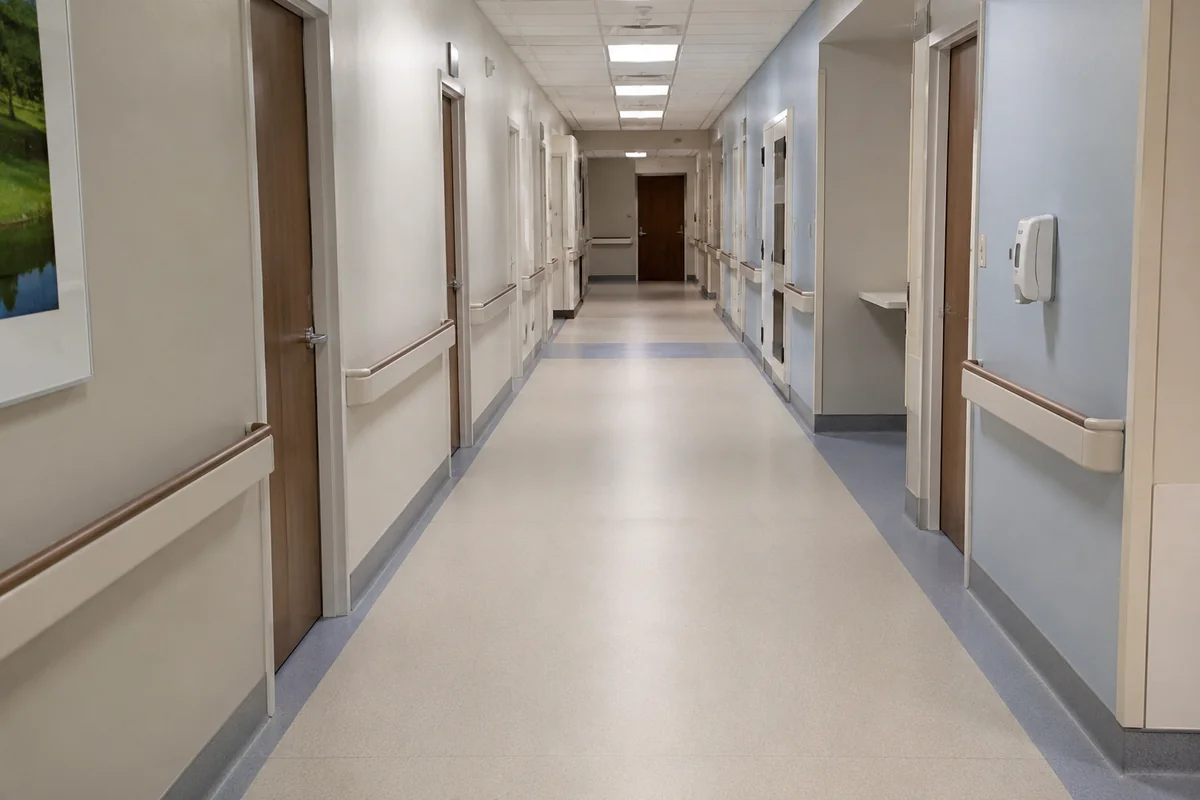
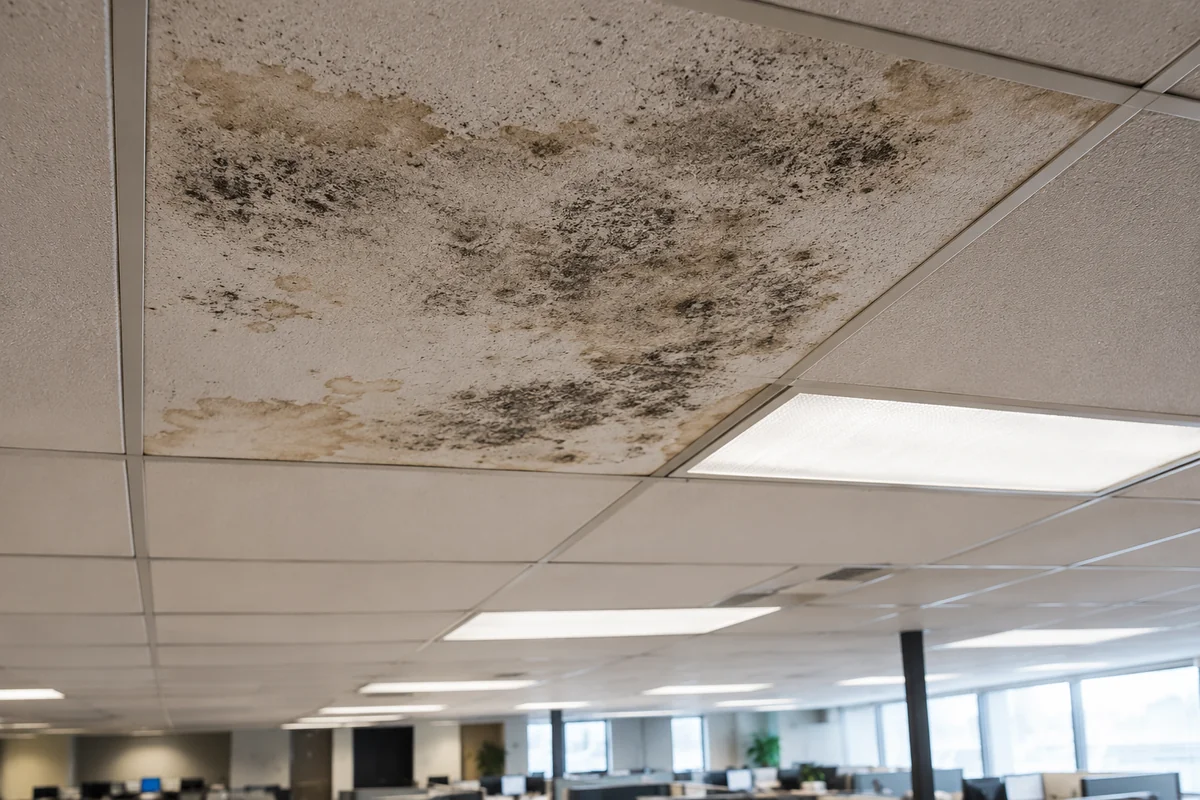
Mold in healthcare facilities carries higher stakes than in almost any other building type, because the people inside are often the most vulnerable to airborne contaminants. Patients recovering from surgery, undergoing chemotherapy, or living with weakened immune systems can be affected by exposures that a healthy adult would never notice. For facility managers, infection preventionists, and administrators, a moisture or mold problem is not only a maintenance issue. It is a patient safety, infection control, and continuity question that touches clinical operations, accreditation, and liability all at once.
This is general information, not legal or clinical advice
Regulations and accreditation standards change and vary by facility type and location. Confirm current requirements with your compliance team, infection preventionist, and legal counsel before acting.
Why the stakes are highest in healthcare
Hospitals and clinics concentrate people who are already medically fragile. The EPA and CDC describe indoor mold as a potential concern for people with respiratory conditions, allergies, and reduced immune function, and a healthcare census skews heavily toward exactly those groups. Certain environmental molds, including Aspergillus species that are common in soil, dust, and disturbed building materials, are the kind infection control teams watch closely during construction and water events. The clinical detail belongs to your infection preventionist and medical staff. The point for building leadership is simple. A moisture problem that would be routine in an office can raise real infection control questions in a patient care setting, so it deserves a faster and more careful response.
Infection control risk assessment during construction and remediation
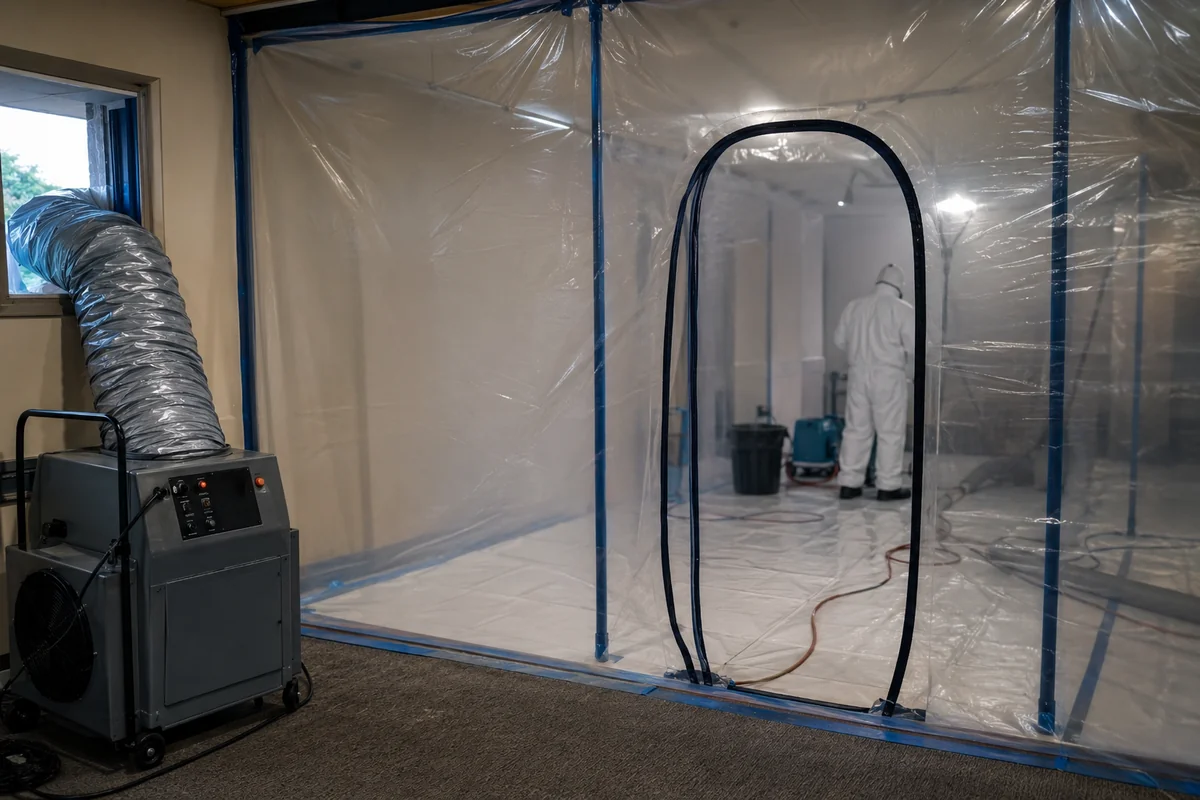
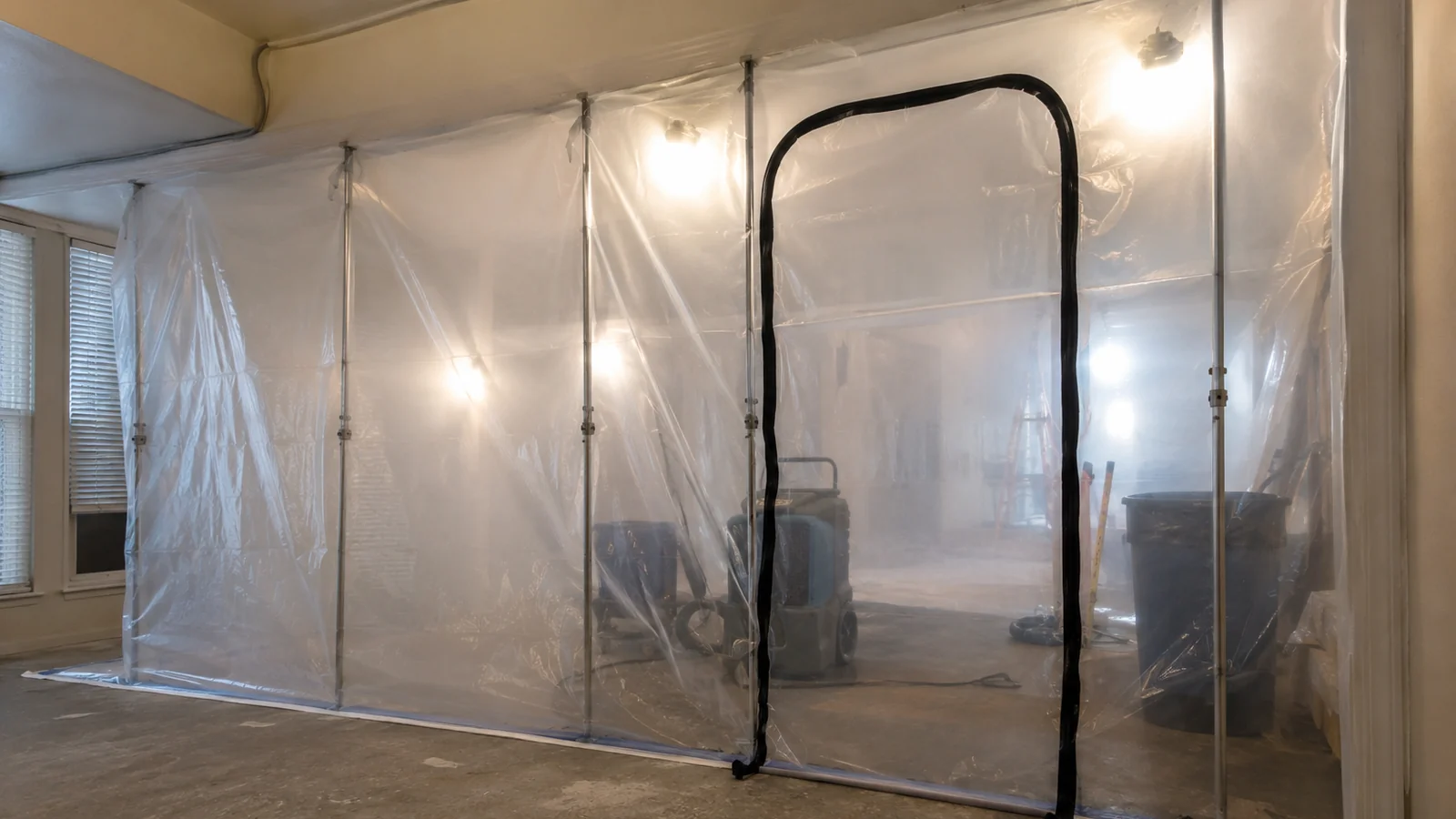
Any disturbance of building materials, whether planned renovation or unplanned water damage, can release dust and spores into the air. Healthcare facilities manage this through an infection control risk assessment, often called an ICRA, that classifies the work by risk and sets required precautions before anything is opened up. An ICRA typically defines the containment level, dust control measures, negative air requirements, and the protection of adjacent occupied areas. When mold is discovered, the remediation should be planned to fit inside that same ICRA framework rather than run around it.
- Assess patient risk in and near the affected zone before work begins
- Set the containment class and barrier requirements with infection control
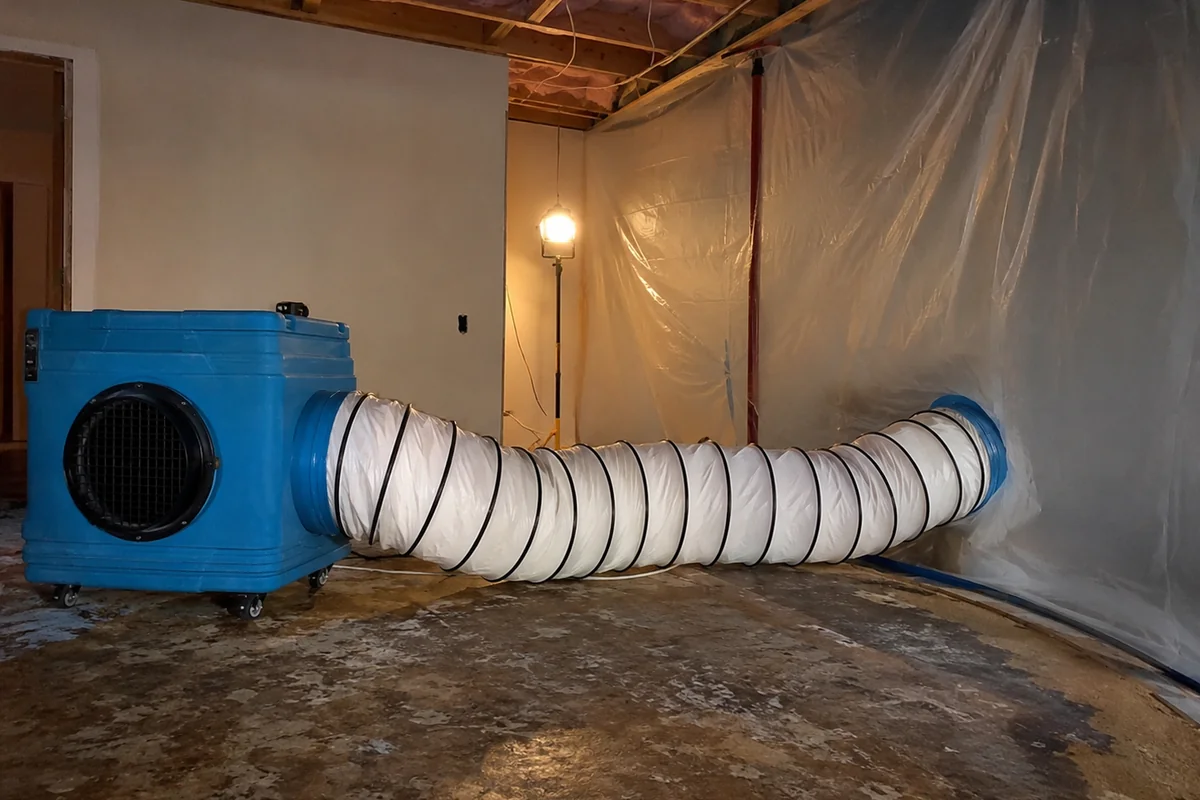
- Establish negative air pressure and HEPA filtration inside containment
- Protect corridors, return air paths, and adjacent occupied rooms
- Define entry, exit, and cleaning protocols for workers and equipment
- Document the plan and the daily monitoring for your records
Air quality and HVAC as a shared pathway
In a large facility the HVAC system connects wings and floors that never touch physically. That is what makes air handling central to any mold response. Shared ductwork, return air plenums, and pressure relationships can move spores well beyond the room where a leak started. Before and during remediation, the mechanical team and the contractor should coordinate on isolating affected zones, managing pressure, and protecting air intakes. Humidity control matters just as much over the long run, since sustained moisture on cool surfaces and inside neglected coils is what lets mold establish in the first place.
Heightened regulatory and accreditation scrutiny
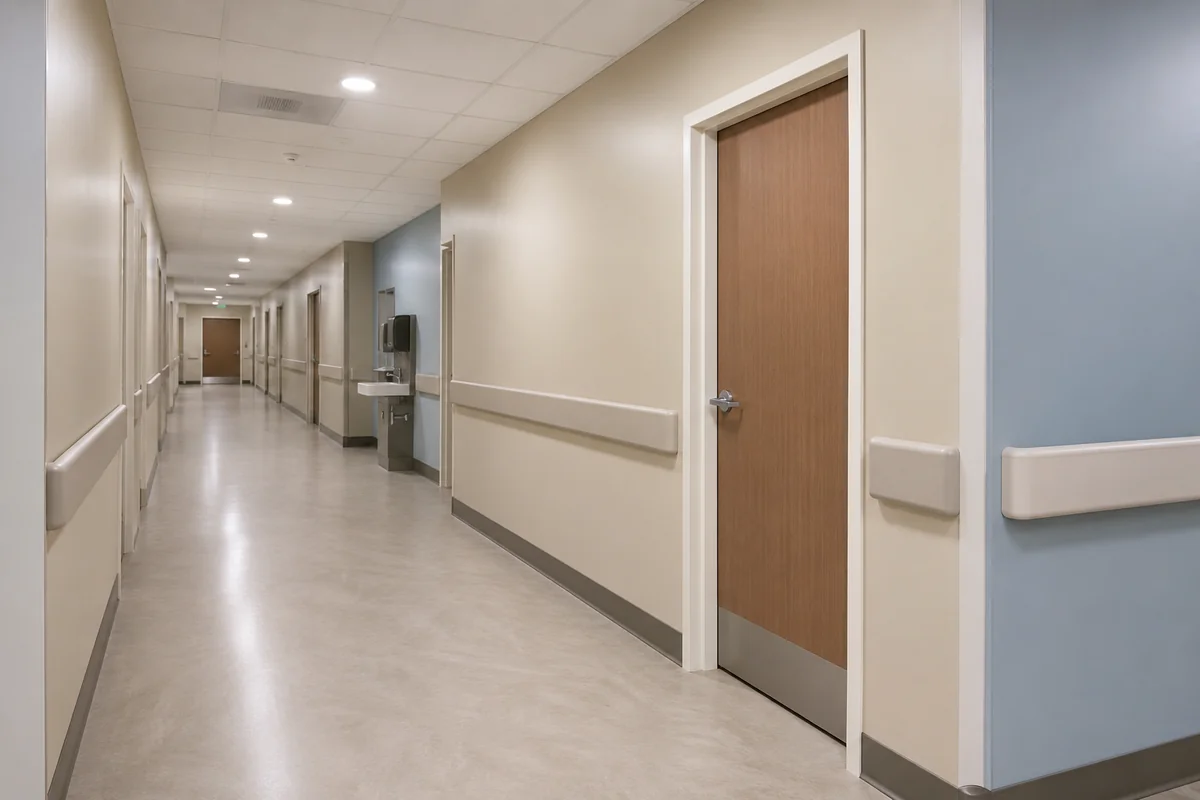
Healthcare buildings answer to more oversight than most commercial property. Depending on the facility, that can include federal programs administered through bodies such as the Centers for Medicare and Medicaid Services, state health department rules, and standards from accreditation organizations that survey the physical environment and infection control. These frameworks generally expect a facility to identify, contain, and correct environmental hazards and to keep records showing it did so. Treat that as a reason to document your response carefully. Because the specifics differ by facility type and change over time, confirm what applies to you with your compliance staff and counsel rather than relying on a general summary like this one.
Containment while areas stay in use
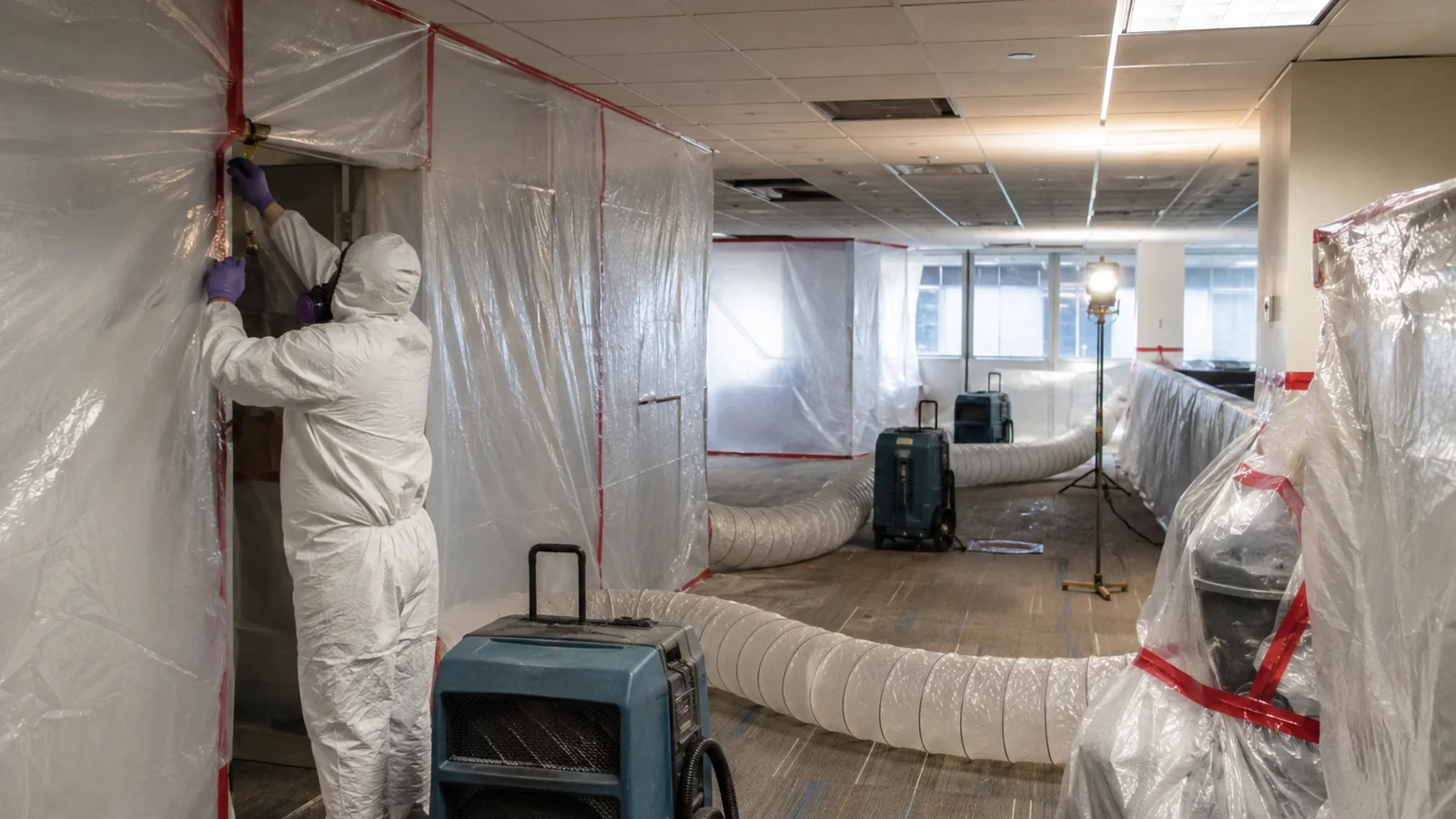
Closing a full wing is rarely realistic, so most healthcare remediation happens while the building around it keeps running. Rigid barriers, anterooms, sealed penetrations, negative pressure, and off hours scheduling let a contractor work in one area while patient care continues nearby. The goal is a hard separation between the work zone and occupied space, verified rather than assumed. This is detailed, standards driven work, which is why it belongs with contractors who do it regularly in clinical settings.
- 1 Report the moisture or suspected mold to facilities and infection control together
- 2 Contain the source and limit access to the affected area
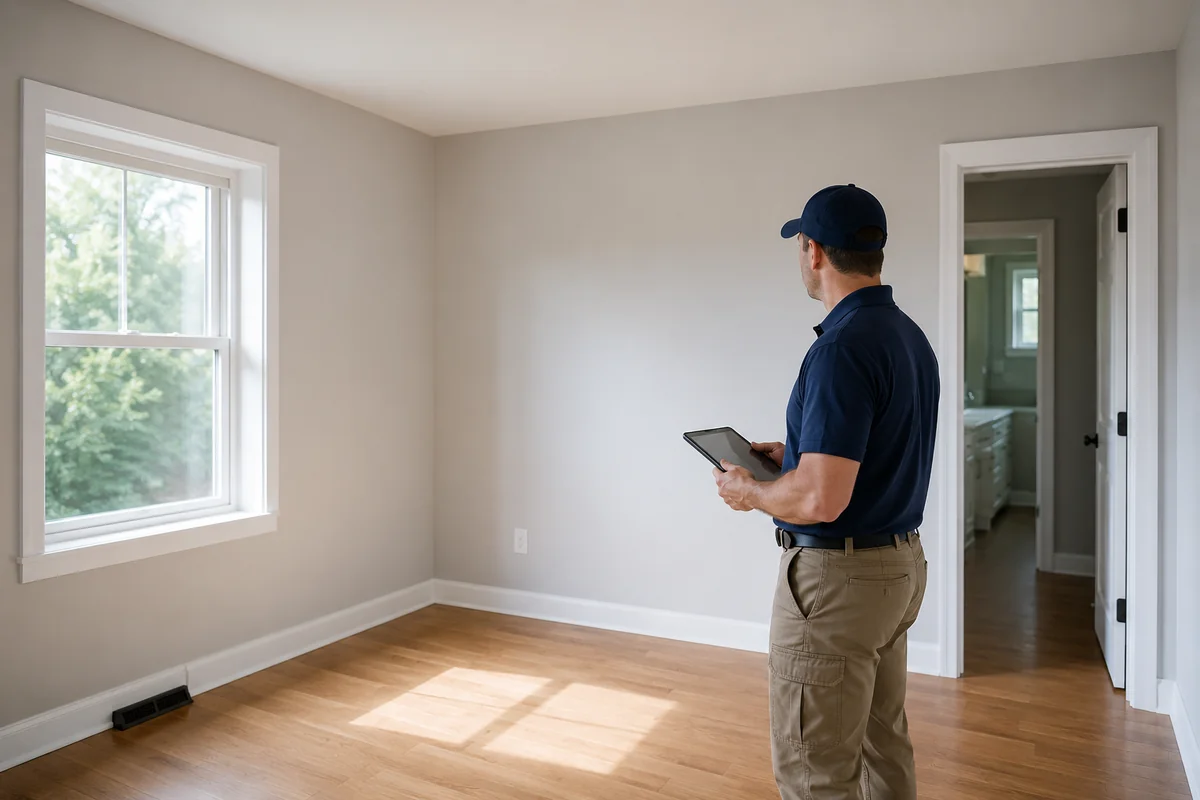
- 3 Bring in a certified industrial hygienist to assess the extent and air quality
- 4 Build the remediation into an ICRA aligned containment plan
- 5 Have a licensed remediation contractor perform the work under monitoring
- 6 Verify with post remediation assessment before returning the space to service
Using licensed remediation contractors and industrial hygienists
Healthcare mold work sits at the intersection of construction, infection control, and air quality, and it should be handled by people trained for that intersection. A certified industrial hygienist can scope the problem, design the containment, and verify the result independently of whoever does the physical work. A licensed remediation contractor with IICRC trained crews and healthcare experience then executes the plan. This resource does not perform remediation or hold those licenses. It connects your facility to the licensed pros in our network who carry the right credentials. You can review our general approach to commercial mold remediation or find a licensed local pro when you are ready to move.
Frequently asked questions
Why is mold riskier in a healthcare facility than in other buildings?+
Because the occupants are more vulnerable. Patients with weakened immune systems, respiratory conditions, or open surgical sites can be affected by environmental molds that healthy people tolerate. The EPA and CDC describe indoor mold as a concern for these groups in general terms, which is why healthcare buildings treat moisture events with more urgency and more formal controls than a typical office would.
Do we have to close a wing to remediate mold?+
Usually not. Most healthcare remediation is done inside sealed containment with negative air pressure while the surrounding areas stay in use. The affected rooms come offline, but a full wing closure is the exception rather than the rule. Your infection control team and the contractor decide the containment level based on patient risk and the size of the problem.
Who regulates mold in healthcare settings?+
Oversight can come from several directions at once, including federal programs such as those administered through the Centers for Medicare and Medicaid Services, state health departments, and accreditation organizations that survey the physical environment. The exact mix depends on your facility type and location, and requirements change over time, so confirm what applies with your compliance staff and legal counsel.
Is mold testing required before or after remediation?+
Requirements vary, but healthcare facilities commonly use a certified industrial hygienist to assess conditions before work and to verify air quality and cleanliness afterward. Independent verification supports both patient safety and your documentation. Treat testing as part of the process rather than an optional add on, and confirm any specific mandates with your compliance team.
Commercial mold, in the field

Mold in a building you manage?
Follow a documented response that protects you from the first complaint through clearance testing.
A moisture problem in a patient care building is never routine, and the response should match the risk with careful assessment, tight containment, and verified results. When you are ready, our network can connect you to industrial hygienists and licensed remediation contractors experienced with clinical environments, so you can address mold in healthcare facilities safely and with the documentation your oversight requires.
A tenant reported mold?
Follow a documented response that protects you, step by step.